Belgium
Your Travel Guide to Brussels and Belgium
Despite being a very small country, Belgium will win over even the most discerning traveller. Beyond boasting some of Europe’s most beautiful medieval cities and a coastline featuring Belle Époque-style resorts, the country is a true treasure trove of culinary delights.
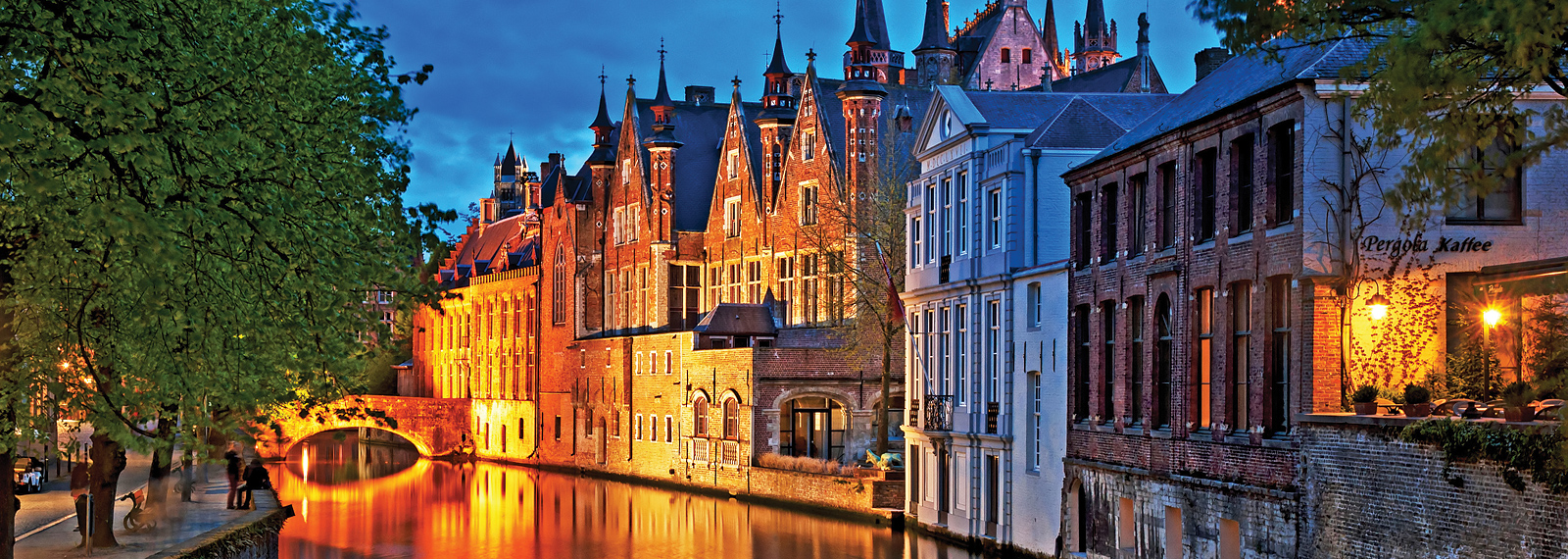
Don’t miss the capital Brussels, a city brimming with charm and eccentricity in equal measure, trendy Antwerp, and the romantic Ghent and Bruges, the latter famous for being called the Venice of the North.
If you love nature, visit the Ardennes, one of the continent’s most stunning mountain landscapes, and Flanders with its kaleidoscopic colours.
Belgium is renowned for its beers: with over 125 breweries and 650 different beer varieties, you won’t be disappointed. Sample these excellent products, particularly the Trappist and abbey beers, perhaps accompanied by fries, chips, or waffles.
And what about Belgian chocolate? A true delight for the palate. Watch master chocolatiers create delicacies and taste the pralines, mousse and white truffles.
Finally, Belgium is an ideal destination for lovers of Christmas markets. All the medieval town centres, large and small, sparkle with festive decorations in December and are filled with abundant stalls.
Although very small, the country is divided into 3 regions – the Brussels region, Flanders and Wallonia – and boasts splendid historic cities, breathtaking landscapes and historical sites.
Magnificent Brussels, the capital of Belgium and Europe, with charming castles, gardens and abbeys, exceptional cuisine and over 600 types of beer! Discover Belgium’s stunning Art Nouveau and medieval architecture: a tour of Ghent, Bruges, Ostend, Leuven and Antwerp is unmissable.
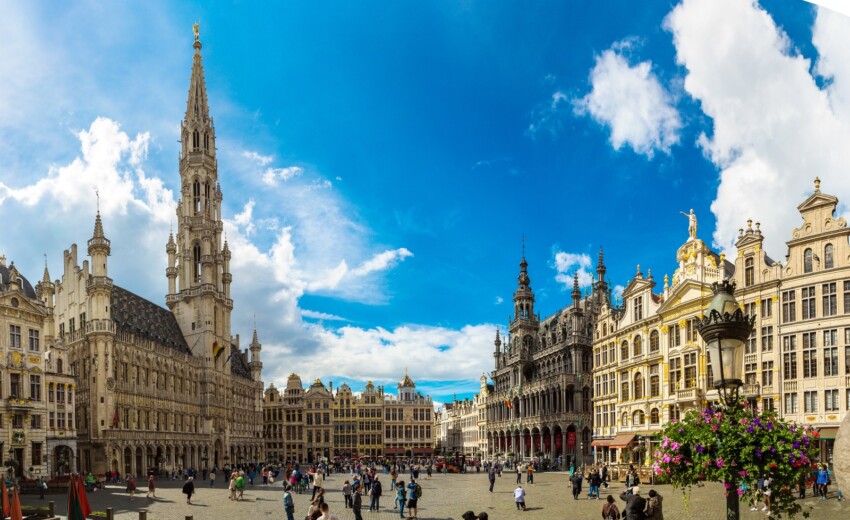
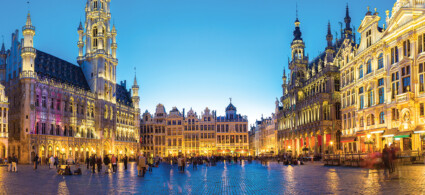
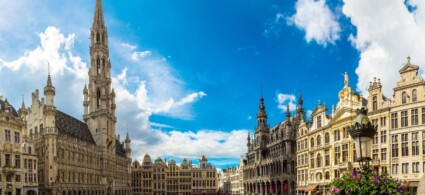
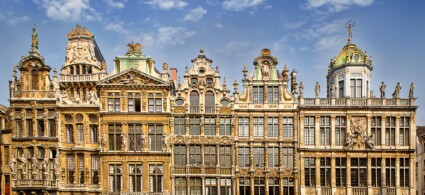
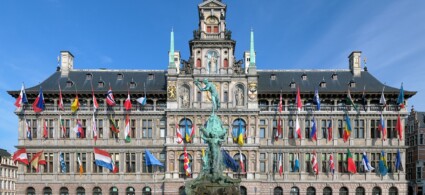
Brussels, the capital of Belgium and Europe, is a multicultural metropolis with the charm of a small city. In addition to the Grand Place, perhaps Europe’s most beautiful medieval square, don’t miss the Royal Palace, a majestic nineteenth-century building constructed on the site of the old Palace of the Dukes of Brabant, the Manneken Pis, the famous statue of the little boy urinating, and the Atomium, which became the city’s symbol following the 1958 Expo.
Also highly worthwhile are the European Quarter, home to the main continental institutions, the Royal Museums of Fine Arts of Belgium, the country’s most visited museum complex, the Magritte Museum, dedicated to the celebrated Belgian painter, and the Centre belge de la bande dessinée, better known as the Comic Art Museum.
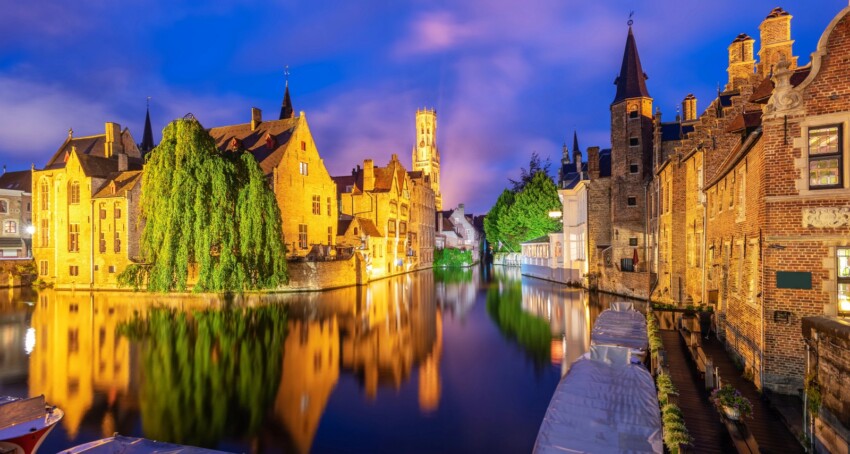
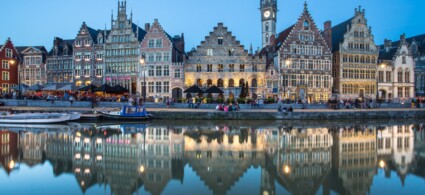
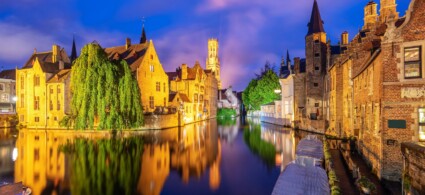
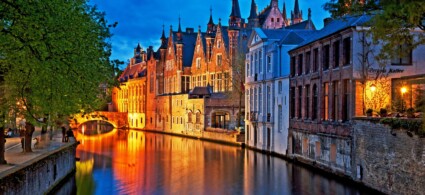
Flanders corresponds to the northern part of the country; the Brussels region is an enclave within Flanders. Some of Belgium’s most beautiful cities are located in this region, beginning with Bruges (Brugge in Flemish), a charming and romantic city crossed by numerous canals, earning it the epithet Venice of the North. Its historic centre is extraordinarily beautiful and a melting pot of historic palaces, chocolate shops, lace boutiques, restaurants and art galleries.
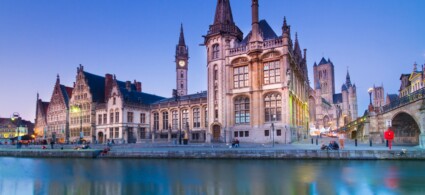
Less well-known than Bruges but equally captivating, Ghent (or Gent) boasts a splendid Opera House, together with 18 museums, 100 churches and over 400 historic buildings.
Antwerp (Antwerpen in Flemish) is famous for its vibrant nightlife, fashion, shopping, diamonds, excellent restaurants and numerous festivals. Splendid medieval buildings stand alongside modern architectural creations, creating a unique architectural melting pot. Rubens left his mark on the city.
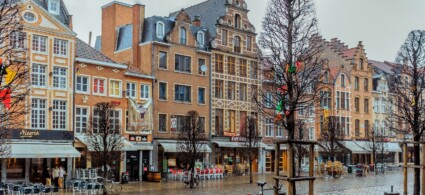
Mechelen is a small and picturesque city full of shops and boutiques, pedestrian areas, pleasant squares, historic buildings and monuments, including eight Gothic and Baroque churches.
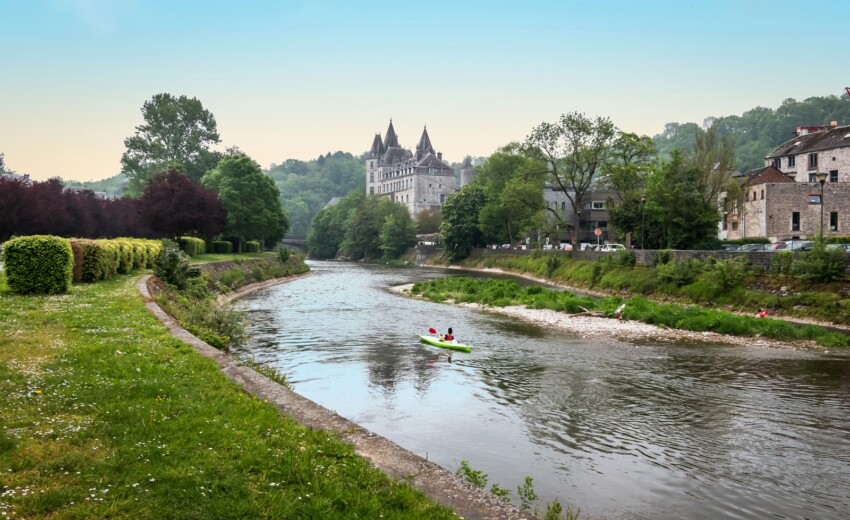
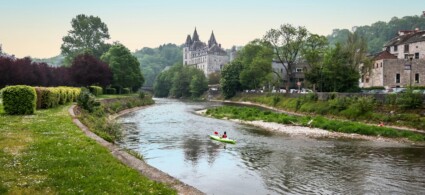
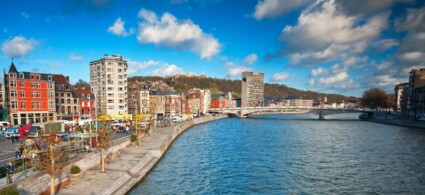
If you love nature, discover Wallonia, Belgium’s southernmost region; its capital is Liège (Liège in French), a historic city along the Meuse river full of character and atmosphere. Less than an hour away lies the picturesque town of Spa, a spa resort surrounded by rolling hills known since the fourteenth century.
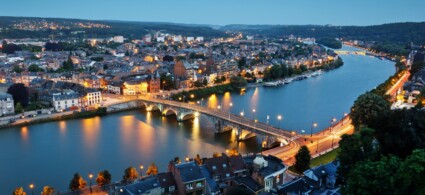
Namur is famous for housing one of Europe’s largest fortified citadels, constructed between the third and fourth centuries, and subsequently rebuilt during the thirteenth and fourteenth centuries.
Proximity to the North Sea influences Belgium’s climate, which therefore has an Atlantic climate. There is little difference in temperatures between coastal areas and the interior of the country, with the exception of the Ardennes region, where heavy snowfall can occur.
The climate is quite variable and therefore rainfall is well distributed throughout the year: on the coast there is rain in all seasons, with a prevalence in autumn, whilst inland the influence of continental Europe is already noticeable, with precipitation concentrated in the summer period.
Belgium has three official languages: Dutch is spoken by approximately 60% of the population, especially in Flanders; French is the official language of Wallonia and accounts for about 40% of Belgium’s population; and finally German, spoken by less than 1% of the population by some communities on the border with Germany.
Thanks to the large community of Belgian-Italians, Italian in Belgium is fairly widely spoken in Wallonia and the Brussels area.
Belgium’s international dialling code is +32: to call a Belgian number from the UK, dial 0032 before the recipient’s number, omitting the initial zero of the area code. To call from Belgium to the UK, add 0044 to the full UK phone number.
Belgium follows GMT+1 in standard time and GMT+2 in summer time, exactly like the UK. You will therefore not need to adjust your watch upon arrival.
Belgium is a country in Western Europe: it is nestled between France, Luxembourg, Germany, the Netherlands and, for a short stretch of approximately 60 km, the North Sea. For more information, see the map of Belgium.
Belgium is part of the European Union and the Eurozone, so the official currency is the euro. Before 1 January 2002, when euro banknotes and coins came into circulation, the national currency was the Belgian franc, replaced at an exchange rate of 40.3399 francs per 1 euro.
Electrical sockets in Belgium are compatible with UK ones: Belgium uses the same European standard (type E), with a voltage of 230V and frequency of 50Hz. No adapter will be necessary for charging smartphones, tablets and other electronic devices.
Belgium’s flag features a classic tricolour with vertical bands of equal size. The colours are black, yellow and red, in that order from the hoist. Adopted on 30 September 1830, it is based on the French flag, whilst the colours are those of the Duchy of Brabant.


 Hotel
Hotel 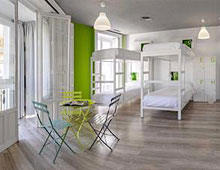 Budget accommodations
 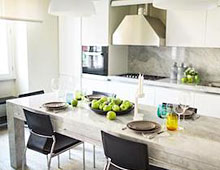 Apartments
 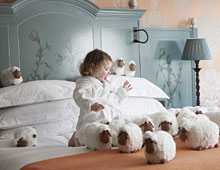 Family Hotel
 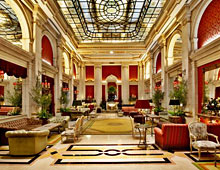 Luxury Hotel