Brussels: City Card with STIB Public Transportation
Get access to some of the best museums and tourist attractions with this Brussels City Card. Enjoy exclusive discounts on tours and at partner shops, bars and restaurants.
From 50,00 €
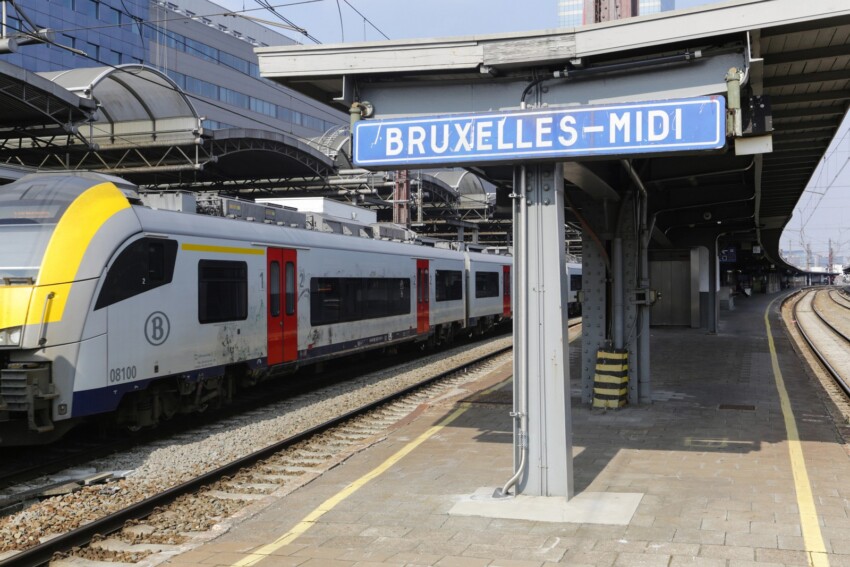
Brussels is one of Europe’s most important railway hubs: it sits at the centre of a web of high-speed connections that place it less than two hours from Paris, London and Amsterdam, and less than three hours from Cologne and Frankfurt. For European travellers, the train is often the most convenient, sustainable and even faster choice compared to flying when you factor in the time needed to reach airports, check-in and security checks. Arriving by train means stepping directly into the heart of the city, just a few steps from the main museums, the Grand-Place and the liveliest neighbourhoods of the Belgian capital.
The vast majority of international trains arrive at Brussels-South station (Brussel-Zuid in Dutch), the city’s main railway hub. From here, the metro, trams and taxis connect you quickly to any neighbourhood in Brussels within minutes. Belgium’s internal rail network also allows you to continue conveniently to other destinations in the country — Bruges, Ghent, Antwerp — directly from the same arrival station.
The train from London to Brussels crosses the Channel Tunnel and is also operated by Eurostar, departing from London St. Pancras International station. The journey takes approximately 2 hours, with the train reaching speeds of up to 300 km/h on the French section of the route. Departures are spread throughout the day with frequencies of two to three trains daily, sometimes more during peak seasons.
Before boarding, passengers must undergo customs and immigration checks directly at the departure station, on both the British and Belgian sides — one of Eurostar’s advantages over the ferry, which carries out checks upon arrival. Since the UK is no longer part of the European Union, EU citizens travelling from London must be in possession of a valid passport; an identity card is not sufficient for UK checks.
Amsterdam and Brussels are connected by Eurostar service with a journey time of approximately 1 hour and 50 minutes from Amsterdam Central station. The high-speed train travels through the Netherlands to the Belgian border and reaches Brussels-South without significant intermediate stops. Departures are distributed throughout the day with frequencies suited to both leisure and business travellers.
As an alternative to high-speed trains, Intercity Direct trains operated by Dutch railways (NS) connect Amsterdam to Brussels with some intermediate stops, including Rotterdam and Antwerp Central. Journey times are slightly longer than Eurostar, but fares are often more affordable and tickets can be purchased directly through the NS app or at Dutch station counters. Those departing from Rotterdam or The Hague can board these trains directly without going through Amsterdam.
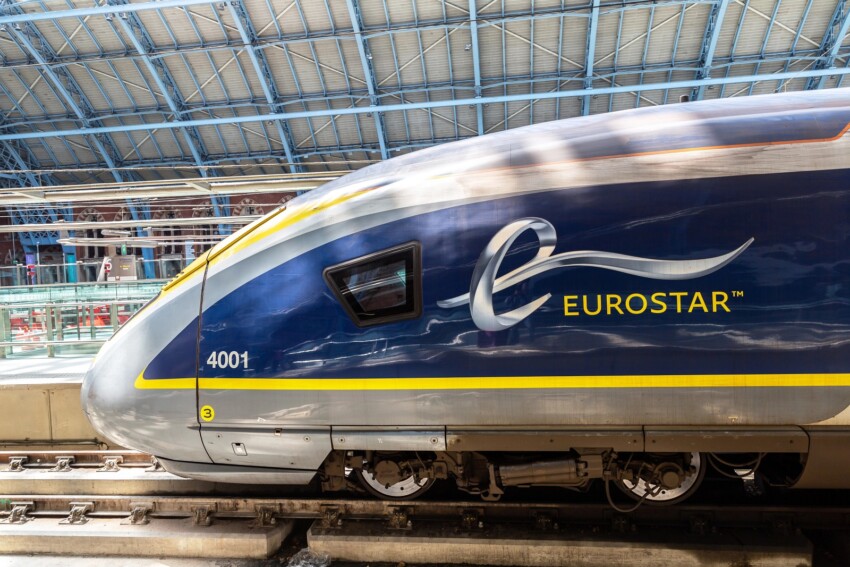
The rail connection between Paris and Brussels is one of Europe’s busiest. The service is operated by Eurostar — the brand created from the 2023 merger of the former Eurostar and Thalys — with high-speed trains covering the 300 km separating the two capitals in just 1 hour and 22 minutes. Departures are almost hourly throughout the day, with the first train in the morning and the last in late evening, offering great flexibility in choosing times.
Trains depart from Paris Gare du Nord and arrive at Brussels-South. Fares vary depending on how far in advance you book and the class of travel: the most economical second-class tickets are found by booking weeks or months ahead, while flexible fares — refundable or changeable — are more expensive but convenient for those with uncertain plans. You can purchase tickets directly on the Eurostar website or through major rail booking platforms such as Trainline or national railway portals.
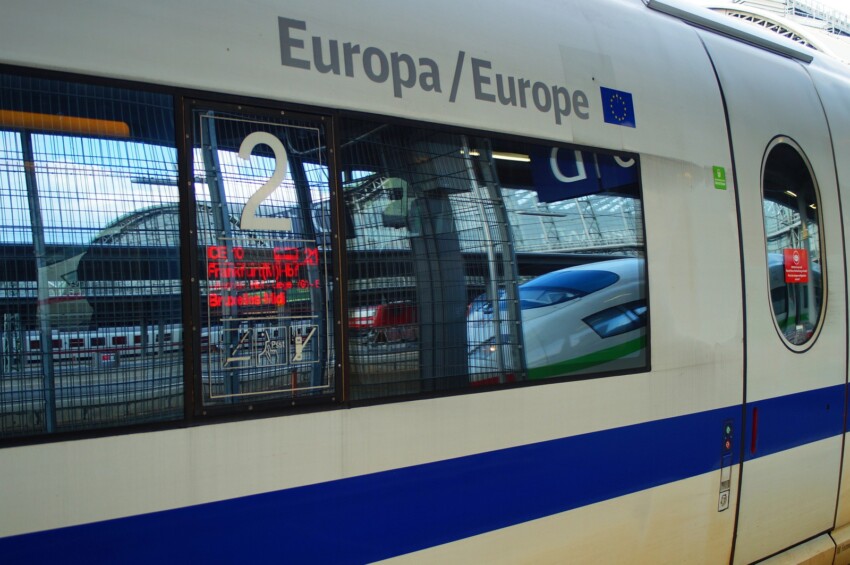
The connection between Germany and Brussels is primarily provided by Deutsche Bahn’s ICE, linking Cologne Hauptbahnhof with Brussels-South in approximately 1 hour and 50 minutes. Trains depart regularly throughout the day and allow you to reach Brussels comfortably from Frankfurt (approximately 3 hours with a change at Cologne), Düsseldorf (approximately 2 hours and 20 minutes) and other cities on the German high-speed rail network. Tickets are purchased on the Deutsche Bahn website or through major international booking platforms.
Those arriving from Berlin can take a direct ICE to Cologne and continue to Brussels, with an overall journey time of approximately 5 hours — an option that seriously competes with flying in terms of comfort and environmental impact, considering transfer times to and from airports.
From Luxembourg, direct trains reach Brussels-South in approximately 3 hours, with regular departures operated by Infrabel and Luxembourg Railways (CFL). It’s a useful connection for those arriving from the east after travelling through Luxembourg by car or train from eastern France or southern Germany.
From northern France — particularly from Lille, which is just 38 minutes from Brussels by TGV — the train is by far the fastest and most convenient option. Lille also acts as an interchange hub for those arriving from Bordeaux, Lyon or Marseille who wish to continue to Brussels without passing through Paris, taking advantage of TGV connections on the French rail network.
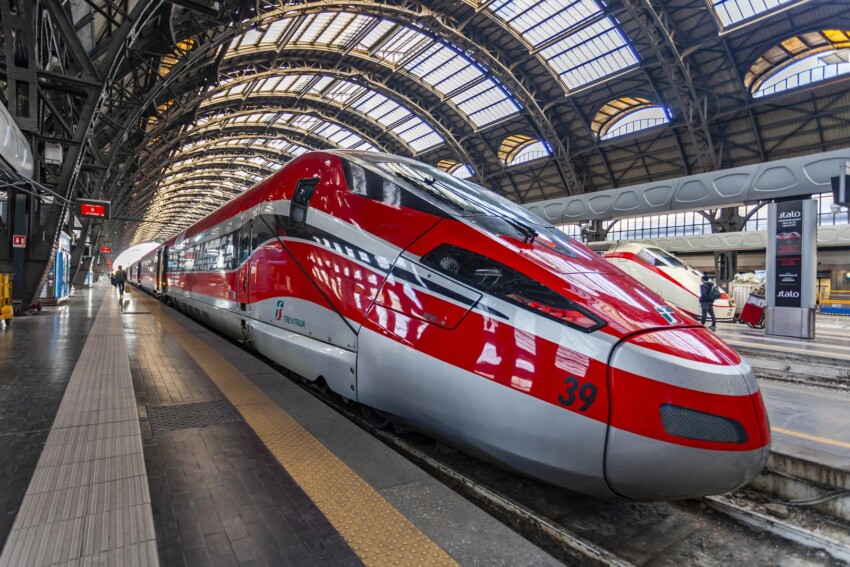
Reaching Brussels entirely by train is possible from many parts of continental Europe and, particularly for those travelling from Northern Europe, it can be a concrete alternative to flying, especially when you factor in transfer times to and from airports. The most direct route passes through Paris: from Milan Central Station, the direct Frecciarossa to Paris Gare de Lyon takes approximately 7 hours, with morning departures allowing you to catch an afternoon Eurostar to Brussels and arrive in the evening. From Turin Porta Susa, also served by the Frecciarossa to Paris, journey times are reduced by about 45 minutes. Those departing from Rome should allow for an overall journey of 11–12 hours, which makes the train less competitive compared to flying but still viable for those who prefer to avoid airports or want to enjoy the Alpine scenery during the journey.
The station change in Paris — from Gare de Lyon to Gare du Nord — is handled conveniently by metro line 4 in about 15 minutes, leaving sufficient time for connections if you plan carefully. Tickets for the two legs are purchased separately: the Frecciarossa through Trenitalia’s website or the Thello operator, and the Paris-Brussels Eurostar through the Eurostar website.
Brussels has three main stations, all connected to each other by the internal urban rail network with frequencies of just a few minutes. Brussels-South is the terminus for all international high-speed trains and is the largest and busiest of the three; it’s located in the Saint-Gilles neighbourhood, approximately 2 km from the historic centre and well connected by metro, tram and taxi. Brussels-Central is the station closest to the historic centre and the Grand-Place, ideal for those staying in the Pentagon area. Brussels-North is located in the northern part of the city, near the European Quarter, and is the stop for some national trains and the Airport Express from the airport.
Once you’ve stepped off the train at Brussels-South, metro lines 2 and 6 connect the station to the city centre in approximately 5 minutes, whilst numerous tram lines serve the southern neighbourhoods. Taxis are available at the main exit of the station.
Booking tickets well in advance is the golden rule for travelling on high-speed trains to Brussels at affordable fares: the cheapest offers from Eurostar and ICE sell out quickly, especially during peak season and weekends.
For travellers planning multiple train journeys during their stay in Belgium, the Benelux Rail Pass and the classic Interrail Pass can be convenient options, especially for multi-day stays that include visits to multiple Belgian and Dutch cities. For getting around within Belgium once you’ve arrived, the SNCB network is extensive and efficient: from Brussels you can reach Bruges in 55 minutes, Ghent in 30 minutes and Antwerp in 40 minutes.
City Card allow you to save on public transport and / or on the entrances to the main tourist attractions.
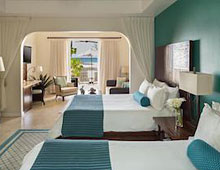 Hotel
Hotel 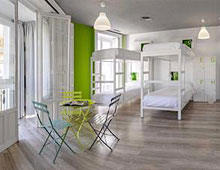 Budget accommodations
  Apartments
  Family Hotel
 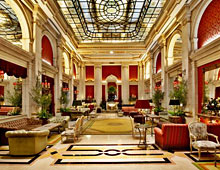 Luxury Hotel