What to see in Brussels? Start with the top 10 attractions and you'll already be smitten with Belgium's capital. With the right tips, you won't break the bank!
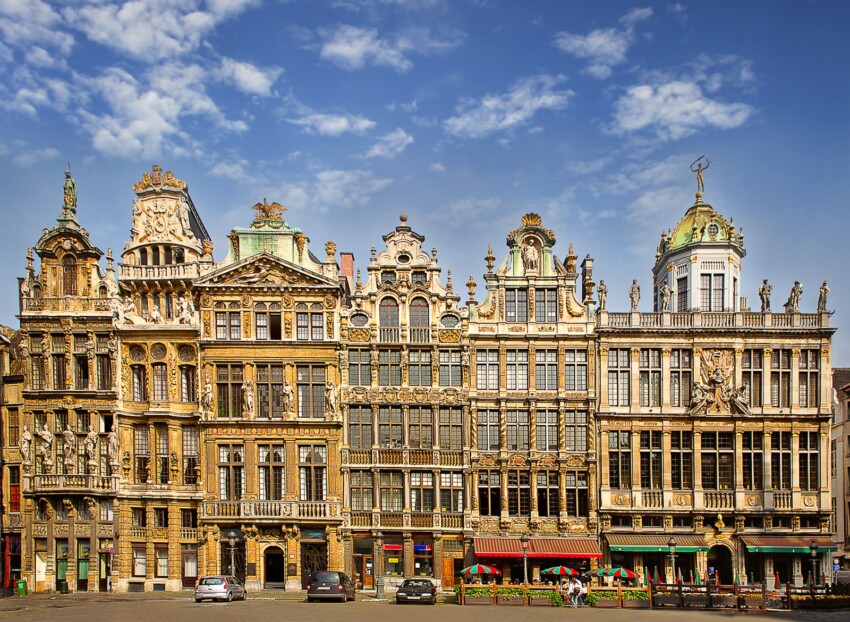
Brussels’s historic centre, capital of Belgium and Europe, is a genuine treasure trove of art that unfolds around the Grand Place, the splendid market square where guild houses and the Hôtel de Ville overlook the square, with their Gothic and Baroque architecture protected by UNESCO.
Not far away you’ll find the iconic fountain statues of the Belgian capital: Manneken Pis, his lesser-known sister Jeanneke Pis and Zinneke Pis. Admire the picturesque landscape of Rue des Bouchers, lined with dozens of traditional restaurants, stroll along Rue Antoine Dansaert and browse the fashion quarter’s shop windows, and visit the magnificent Royal Gallery Saint Hubert.
Visit the neoclassical Royal Palace, the official residence of the King of Belgium, overlooking the Parc de Bruxelles, and for lovers of twentieth-century architecture, don’t miss the Musée Horta, housed in the home and studio of the architect who pioneered Art Nouveau, and the Old England building.
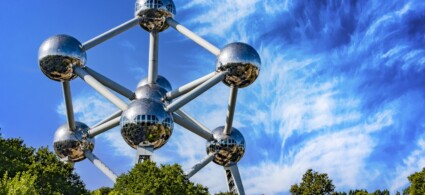
Explore the Atomium, the sculpture representing the nine atoms of an iron molecule, the Cathedral of Saint Michael and Saint Gudula, the Basilica of the Sacred Heart, Place du Grand Sablon, and the park at Place du Petit Sablon.
Brussels boasts excellent museum trails including the outstanding Magritte Museum, the Maison du Roi, which houses the Museum of the City of Brussels, the Royal Museum of Fine Arts, the Museum of Ancient Art and the Belgian Comic Centre.
Short on time and want to see just the best of Brussels? Here’s our top 10.
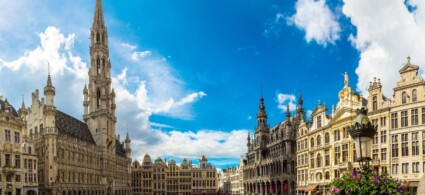
Among the most beautiful squares in Europe and the world, the Grand Place, a UNESCO World Heritage site since 1998, is the heart of Brussels’s old town and its principal attraction.
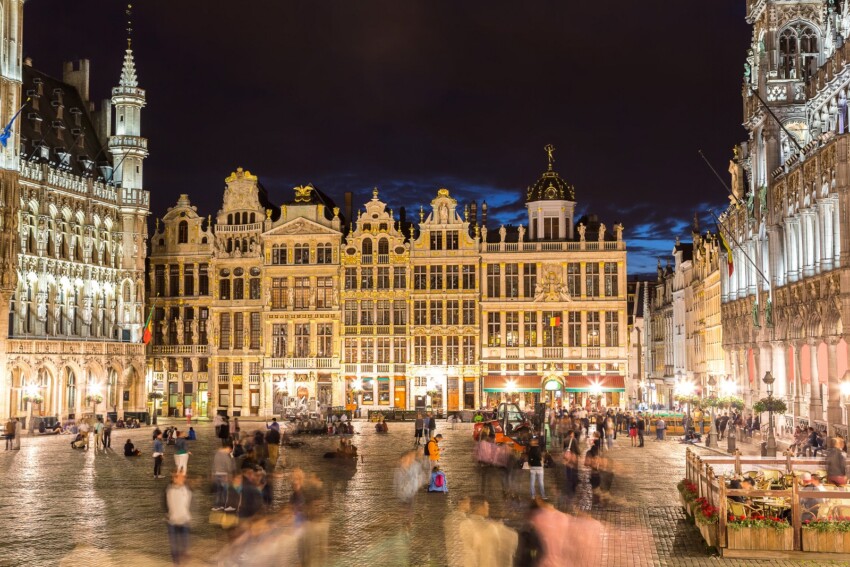
Accessible via one of six side alleys, the best view is from Rue des Harengs. The Grand Place is a spacious rectangular plaza where jewel-like buildings representing four different architectural eras stand: Renaissance, Baroque, Gothic and Louis XIV. The focal point is the fifteenth-century spire of the Hôtel de Ville, the Gothic Town Hall, but surrounding it are magnificent guild houses erected between 1697 and 1705, richly decorated with Baroque gables and statues.
The best time to visit is in the evening, when the lights create an even more fairytale atmosphere.
The square is also Brussels’s main market and in winter hosts a wonderful Christmas market. The restaurants and cafés near Grand Place are worth visiting if you’re in the area, though they tend to be pricey; it’s better to head to the surrounding streets: Rue du Midi, Rue Marche aux Herbes and Rue du Lombard.
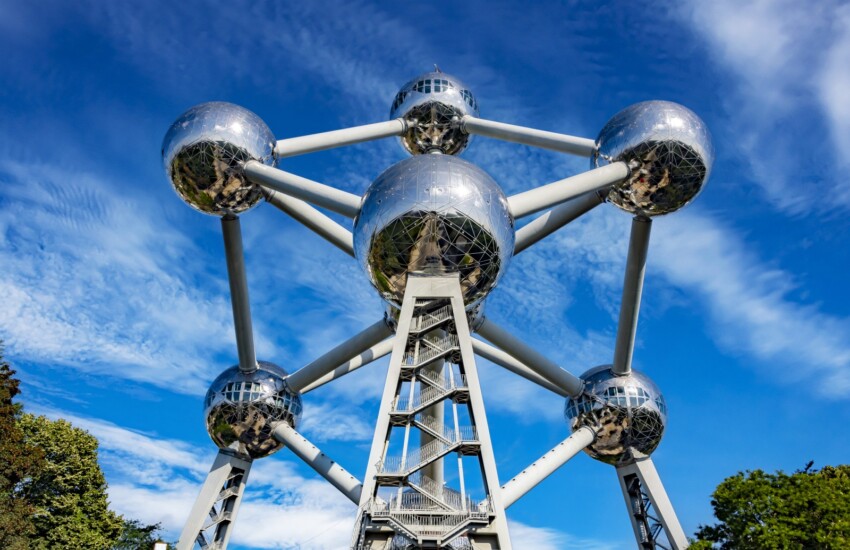
Designed by André Waterkeyn and built in Heysel Park for the 1958 Expo, the Atomium is Brussels’s symbol and one of Belgium’s most visited attractions.
This structure comprises nine metal spheres, designed to represent the structure of an iron molecule, connected by tubes containing lifts and escalators.
A symbol of progress, the Atomium soars to a height of 102 metres, dominating the city and gleaming with its stainless steel covering. Each sphere measures 18 metres in diameter, with five of them open to the public.
Romantics will particularly enjoy dining in the panoramic restaurant located inside the highest sphere.
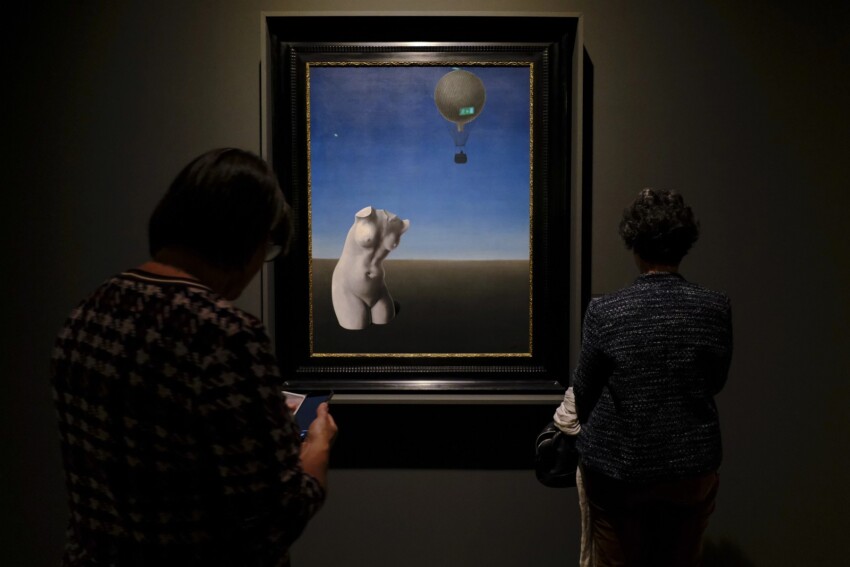
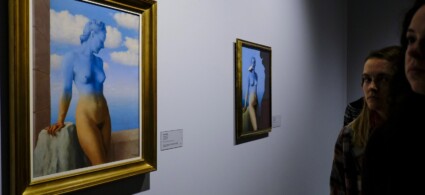
The Magritte Museum, located in Place Royale near Belgium’s Royal Museums of Fine Arts, houses the world’s largest collection of works by the famous Surrealist artist René Magritte: nearly 250 pieces are on display here.
Beyond paintings, the collection includes drawings, sculptures and various objects, as well as advertising posters, musical scores, photographs and films. Opened only in 2009, the museum also holds the most important collection from the artist’s Vache period.
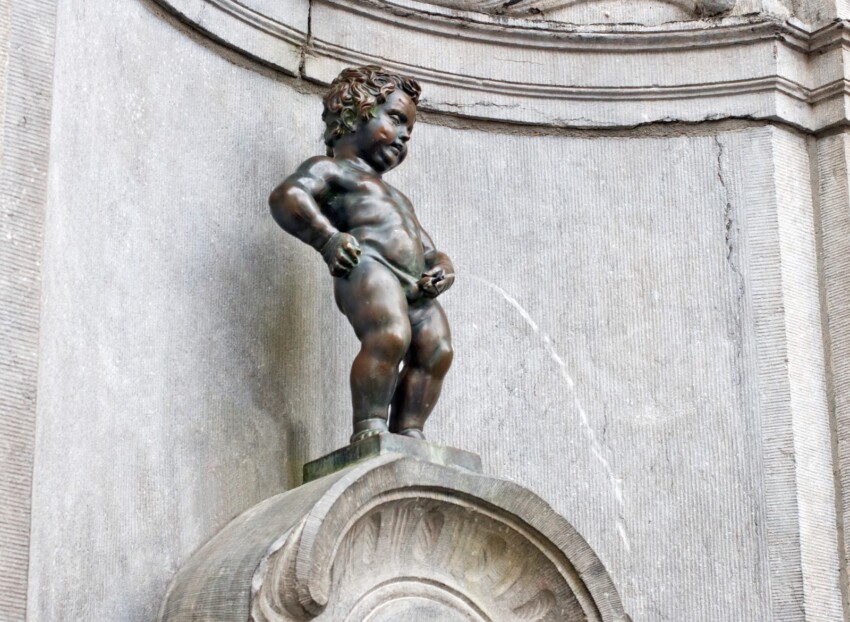
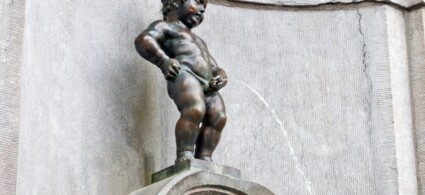
Irreverent and surreal, Manneken Pis is a small statue depicting a little boy urinating, a personification of Brussels’s mischievous spirit.
This fountain-statue, just 50 centimetres tall, was cast in bronze in 1619 by Jérôme Duquesnoy, sits within a disproportionately grand marble frame, and has become a legendary figure.
It’s a tradition to dress Manneken Pis in special outfits for particular occasions, so today he boasts over 800 richly decorated costumes, many of which are displayed in the Museum of the City of Brussels, with the oldest dating back to 1698. On scheduled dates, 36 times a year, Manneken Pis is dressed in one of his wardrobe pieces.
The statue has frequently been the target of vandalism: notably, it was kidnapped by the English in 1745 and by the French two years later.
Manneken Pis is located in Brussels’s historic centre, a few hundred metres south of Grand Place, at the corner of Rue de l’Etuve and Rue du Chêne. Not far away is Jeanneke Pis, his lesser-known sister.
Jeanneke Pis
5Imp. de la Fidélité 10-12, 1000 Bruxelles, Belgium
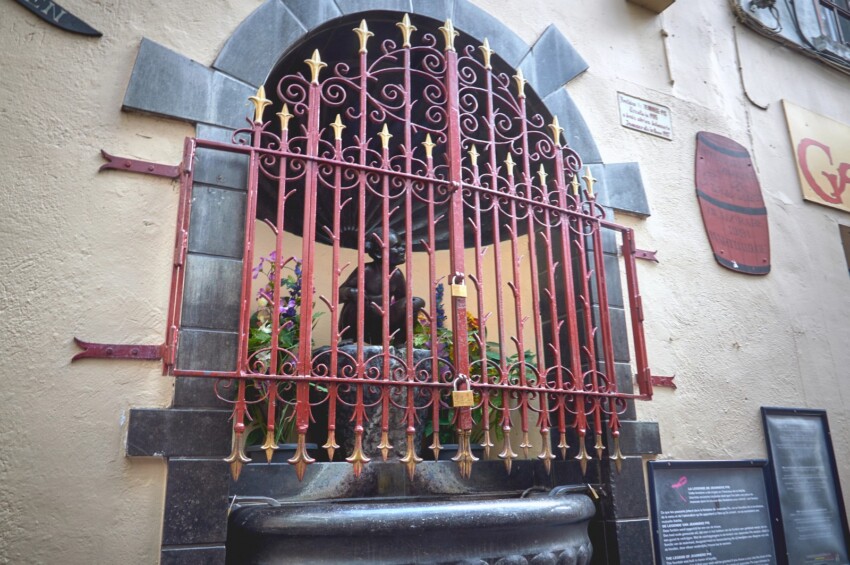
Much younger and less well-known sister to Manneken Pis, Jeanneke Pis stands on the small, dead-end side street of Impasse de la Fidélité, in the Îlot Sacré quarter.
Slightly harder to find, the statue sits behind a railing and depicts a young girl with her hair pulled into two small pigtails, urinating in a squatting position. The fountain-sculpture is just half a metre tall.
Alongside Manneken Pis and Jeanneke Pis, Brussels also has a third statue, Zinneke, a little dog urinating with raised leg at a corner on a fashionable street.
The Îlot Sacré quarter, the Sacred Island, is located north of Grand Place and forms the medieval heart of Brussels.
A maze of narrow alleys and streets flanked by impressive buildings and animated by shops, restaurants and cafés make Brussels’s old town truly exceptional.
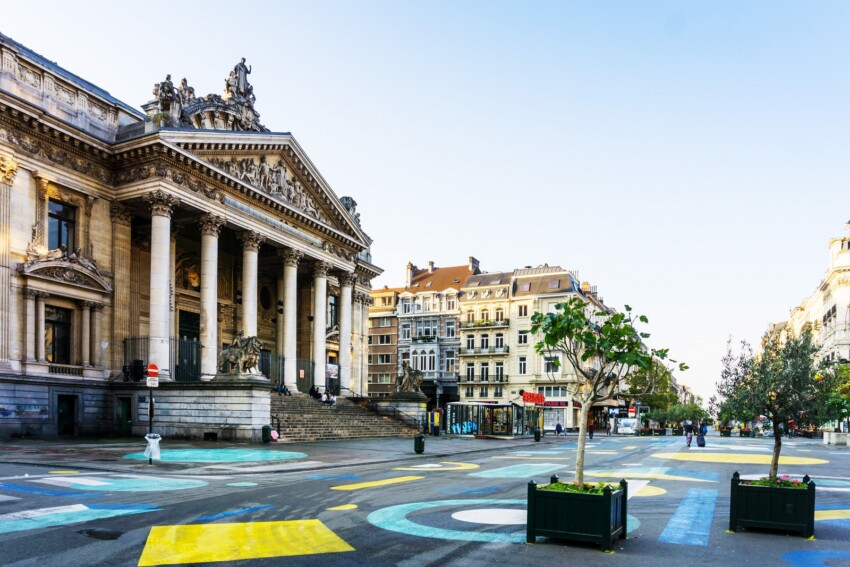
Among the most emblematic buildings of the Îlot Sacré are the Stock Exchange, a neoclassical structure completed in 1873, the Galerie Royales Saint-Hubert, comprising the Galerie de la Reine, the Galerie du Roi and the Galerie du Prince, the Royal Mint Theatre and the small medieval church of Saint-Nicolas.
This quarter is also home to Rue Neuve, the city’s shopping street.
Place Saint-Gery and Rue des Bouchers are ideal spots for an aperitif or dinner, with excellent cafés and restaurants.
The European Quarter is a busy area east of Brussels’s historic centre featuring fine parks, nondescript large buildings and the modern administrative buildings of the European Union.
The European Commission, the European Parliament, the Council of Ministers and the European Council all have their headquarters here, as do many embassies.
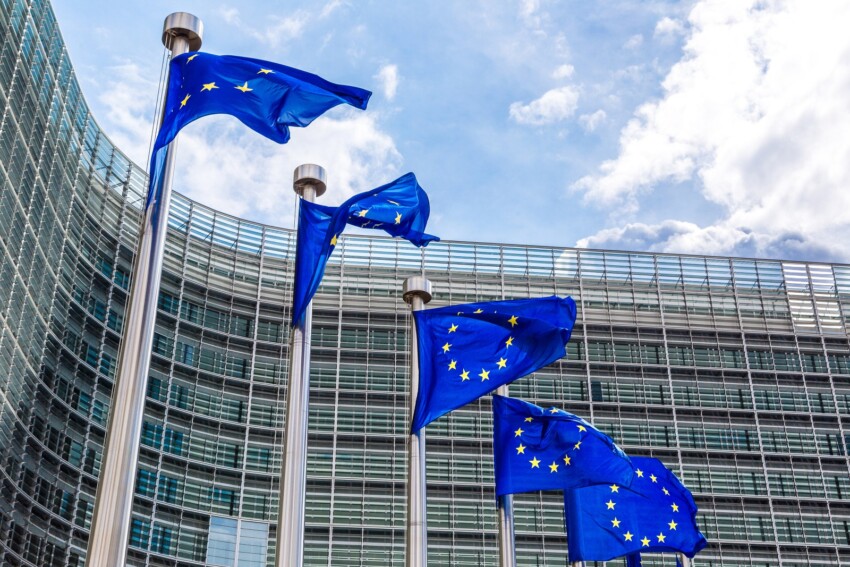
The district’s most famous building is the Berlaymont, the main seat of the Commission and the first building constructed for the Community.
The Berlaymont building, consisting of a tower from which four cross-shaped arms extend, each with 13 floors, supported by a broad four-storey base, was constructed in the 1960s and refurbished in the 1990s. The design was clearly inspired by the structure of UNESCO’s secretariat in Paris.
The façade features continuous mobile glass screens that adapt to weather conditions, modulating the light.
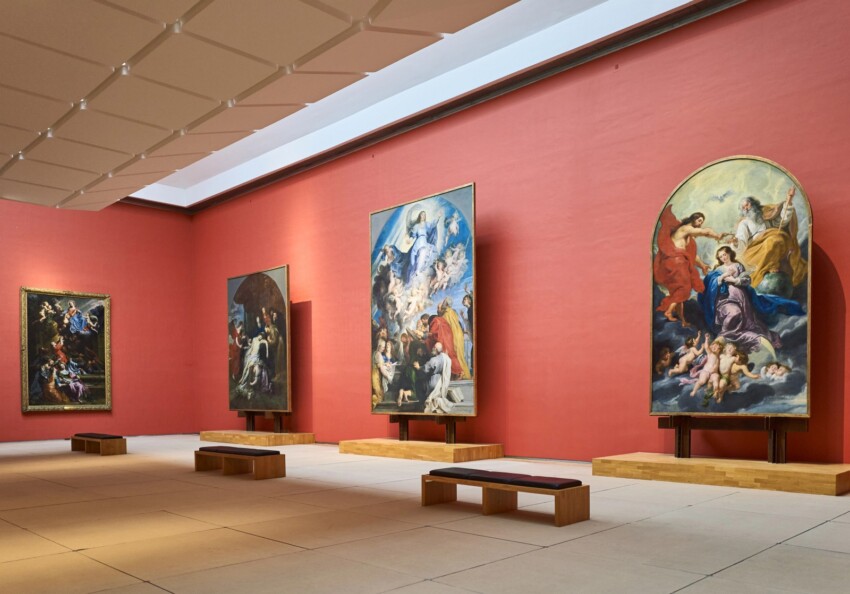
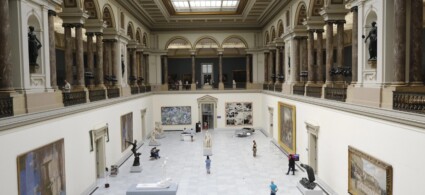
The Royal Museums of Fine Arts of Belgium (RMFAB) form the country’s most visited museum circuit and present Belgium’s most important collection of fine arts. Its over 20,000 artworks, divided across six museums, illustrate the history of art from the fifteenth to the twenty-first centuries through paintings, sculptures and drawings.
Founded in 1801 by Napoleon Bonaparte, the RMFAB conserves and promotes this prestigious heritage, visited annually by thousands of tourists.
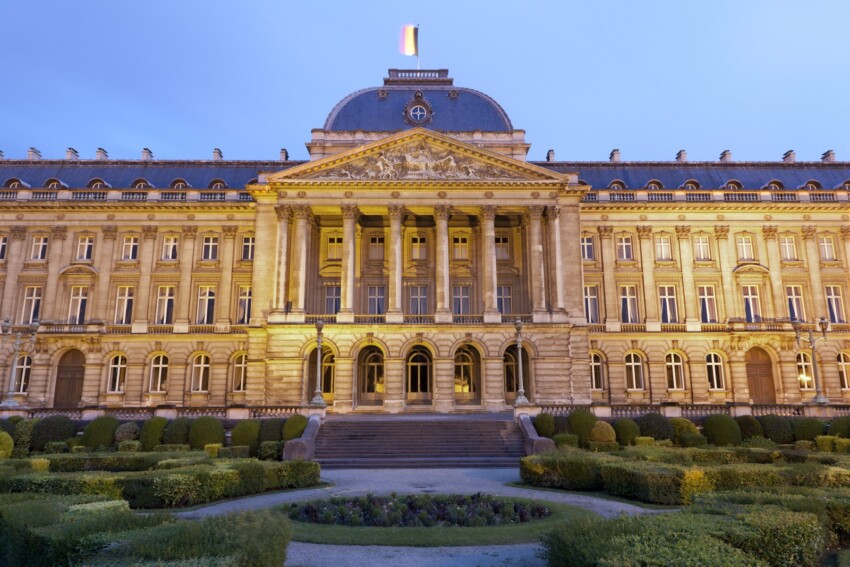
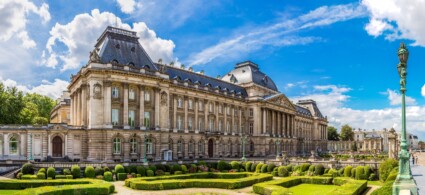
Open to the public during summer months when Belgium’s royals are away from Brussels on holiday, the Royal Palace is a majestic nineteenth-century building constructed on the site of the former Palace of the Dukes of Brabant, destroyed by fire in 1731.
The side wings of the neoclassical palace, which overlooks the Parc de Bruxelles, date from the eighteenth century and each feature a pavilion: the left pavilion houses the BELvue Museum.
Among the sumptuous rooms, particularly striking are the Throne Room, decorated with bas-reliefs by Auguste Rodin, the Goya Room, enhanced with magnificent tapestries modelled on the Spanish painter’s work, and the Hall of Mirrors.
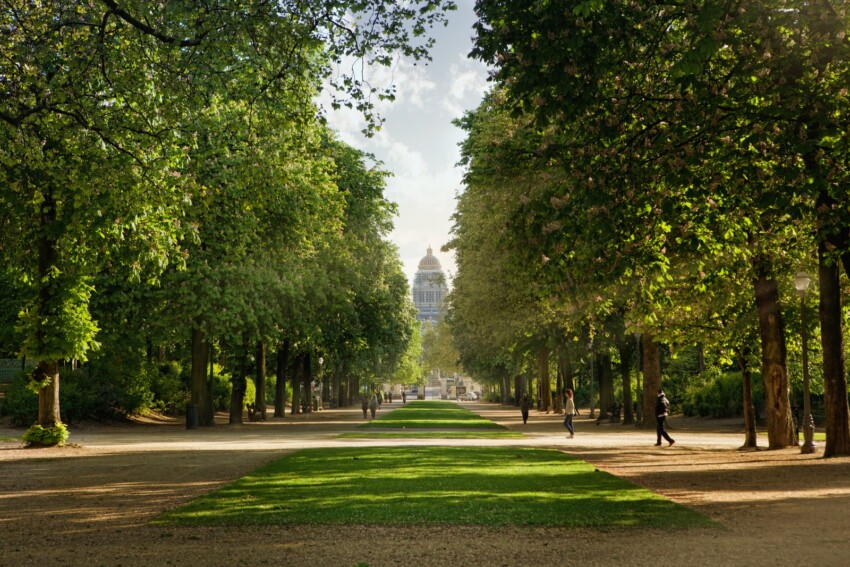
The Royal Park of Brussels is an enormous formal green space in neoclassical style, in keeping with the Royal Palace, created in the late eighteenth century by the French landscape architect Barnabé Guimard on the site of the former Coudenberg Palace gardens.
The park, the largest public urban park in the centre of the Belgian capital, features geometric design and is lined with three major axes where classical French-style buildings stand.
Within Brussels Park you’ll find an elegant pavilion built in 1841 by architect Cluysenaar and a mix of woodland, paths and classical statues. A tree-lined avenue leads to the main lake.
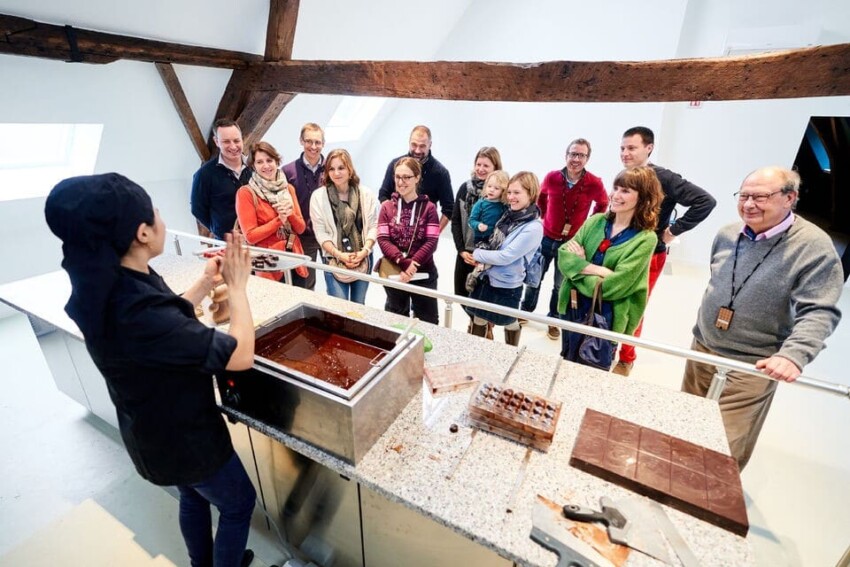
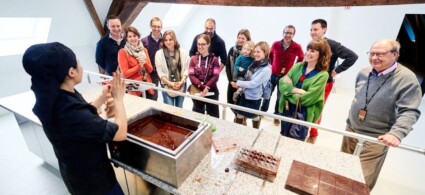
The Chocolate Museum in Brussels is located near Grand Place and tells the story of this sweet delicacy in Europe, its antidepressant and antioxidant properties.
Discover how cacao is cultivated and transformed into chocolate, the production techniques of pralines and chocolate bars, and objects related to chocolate, including sculptures and clothing.
The most interesting part of the visit is a demonstration by a master chocolatier.
Small tastings of cocoa paste, cocoa butter and various types of chocolate will accompany you during the visit, an absolute must for Belgian chocolate lovers, which can be combined with chocolate-making courses.
12Esp. de la Sainte-Gudule, 1000 Bruxelles, Belgium
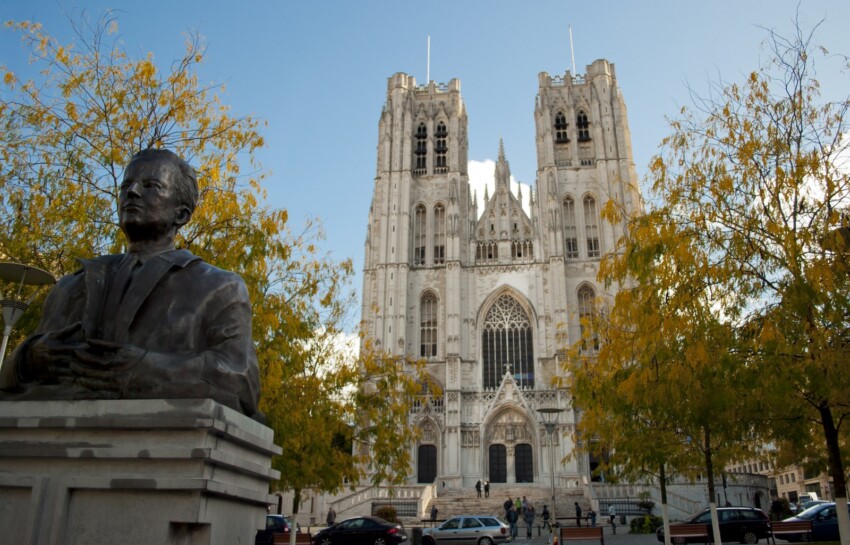
It took almost 300 years from 1226 to complete the construction of the Co-Cathedral of Saint Michael and Saint Gudula, which with its two bell towers is reminiscent of the more famous Notre-Dame in Paris.
The distinctive architecture of Brabantine Gothic, the stained-glass windows, statues of the Apostles on the columns, baroque-style works from the 17th century and the column capitals decorated with cabbage leaves are just some of the marvels of this structure.
The stained-glass windows by Jean Haeck are truly masterpieces: the one created in 1537 depicts Charles V and his wife Isabella of Portugal praying before the relics of the eucharistic miracle, while the 1538 window shows Louis II of Hungary and his wife Mary of Hungary, sister of Charles V, kneeling before the Trinity.
Behind the choir lies the Baroque Chapel of Mary Magdalene, dating back to 1675.
Among Brussels’ most prestigious areas, alongside Grand Place and Îlot Sacré, the Sablon district is located southwest of the Royal Palace.
The neighbourhood is divided by Rue de la Régence, and its beating heart is Place du Grand Sablon, overlooked by stunning 17th and 18th-century buildings. Every weekend the square transforms and hosts a fantastic antiques market.
The Church of Notre-Dame du Sablon and the park at Place du Petit Sablon are two other unmissable spots in this area. The Musical Instrument Museum is also worth a visit.
The upper part of the neighbourhood houses most of the shops and art galleries, but if you’re interested in flea markets, don’t worry—Marolles at Place du Jeu de Balle won’t disappoint.
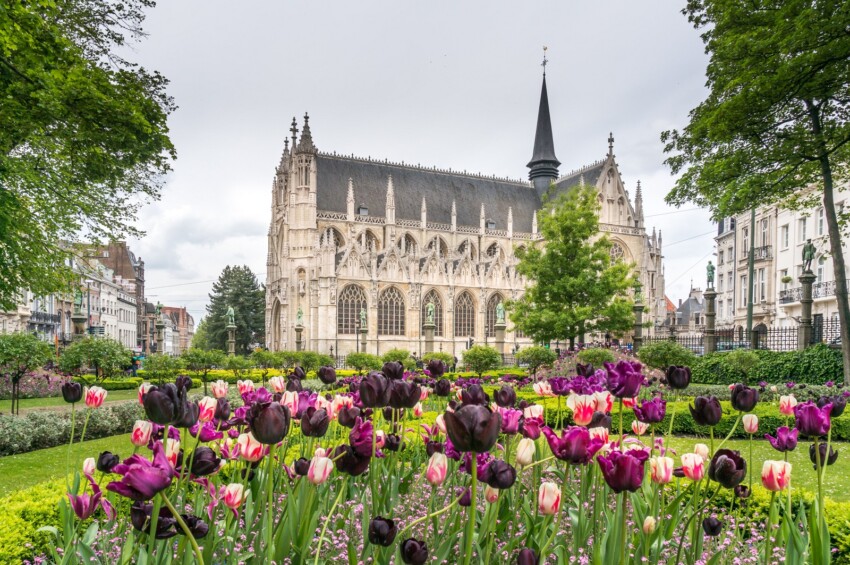
Church of Our Lady of Sablon
A true masterpiece of Brabantine Gothic, the Church of Notre-Dame du Sablon, Onze-Lieve-Vrouw ter Zavel, was built between the 15th and 16th centuries and is famous for its windows and magnificent baroque chapels.
The bell tower of the original Romanesque chapel, dating back to 1134, has been incorporated into the church.
Some elements of the nave, such as the absence of capitals on the pillars and the ribbed vaults, help emphasise the vertical spatial effect. The baroque pulpit, created in 1697, comes from a now-demolished Brussels church.
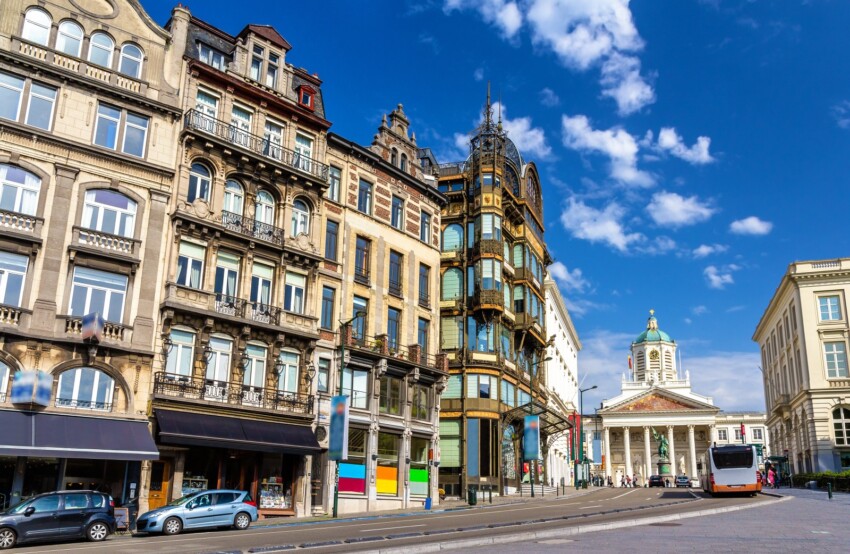
Old England, home to the Musical Instrument Museum
14Rue Montagne de la Cour 2, 1000 Bruxelles, Belgium
The wonderful Art Nouveau building of Old England, designed by architect Paul Saintenoy in 1899, is home to the Brussels Museum of Musical Instruments and houses over 7,000 pieces from every era and culture.
The building, among the most famous of the early 20th century, stands in the heart of Mont des Arts in the city centre and was constructed using cast iron and wrought iron as a grand commercial structure.
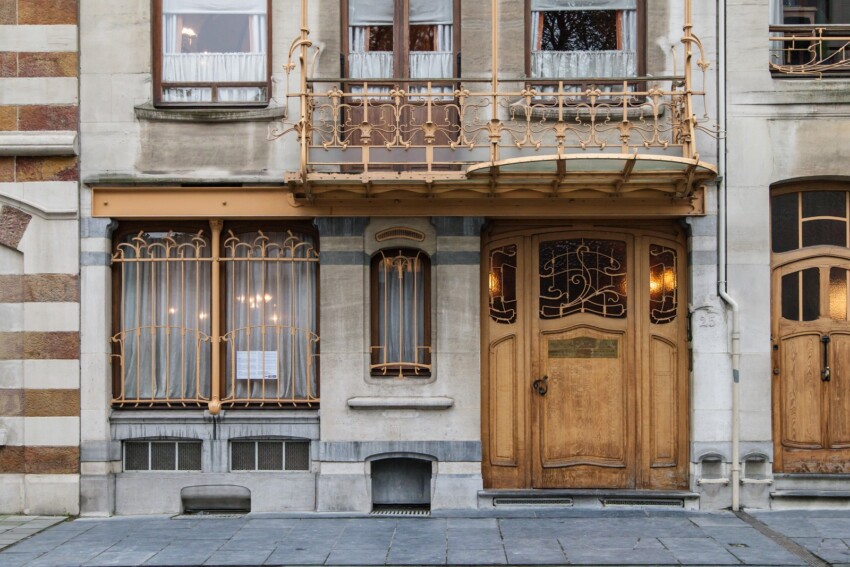
The Horta Museum is dedicated to the life and work of Belgian architect Victor Horta, father of Art Nouveau, and is housed in what was once his home and studio, now inscribed by UNESCO on the World Heritage Sites list.
The splendid Art Nouveau interiors of this palace, built between 1898 and 1901, provide the backdrop to a permanent exhibition of furniture, utensils and art objects designed by Horta and his contemporaries.
Art Nouveau, based on Arabesque style, revolutionised the traditional layout of the bourgeois home by introducing industrial materials such as iron, copper, cast iron and glass, transforming the building into a total work of art that makes everyday life an aesthetic experience bathed in light.
The museum comprises two buildings: the residence and the studio. Tables, chairs, lamps, vases, door handles, railings, drawings and candelabras—everything is inspired by nature.
The four main Brussels buildings designed by Horta are the Tassel Hotel, the Solvay Hotel, the van Eetvelde Hotel, and the museum building.
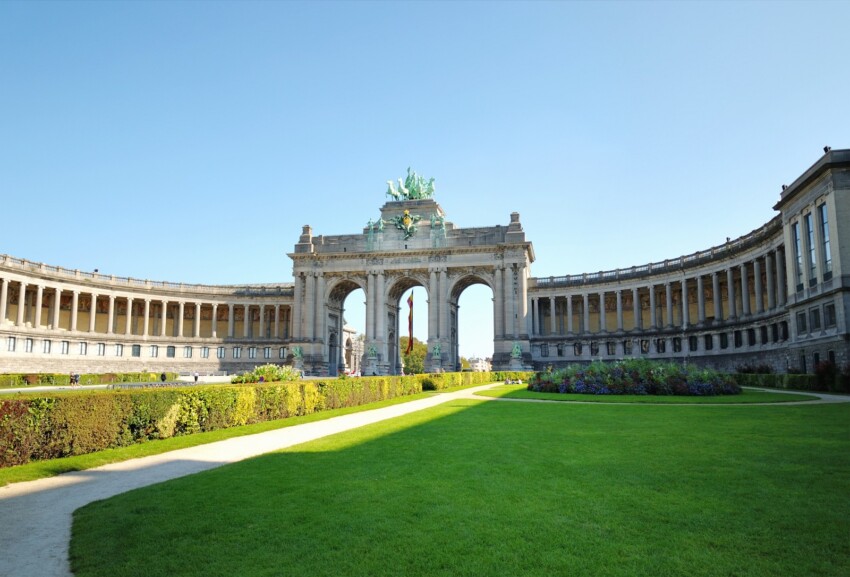
Cinquantenaire Park, or Jubelpark, is a true landmark of Belgium: created in 1880 during the reign of King Leopold II to celebrate fifty years of Belgian independence, the park lies east of Brussels’ historic centre and just outside the European Quarter.
The park, with its pentagonal shape reflecting that of the old city, features 8 statues symbolising the provinces and an imposing triumphal arch reminiscent of the more famous one in Paris. Visitors can ascend to the top of the arch free of charge via an entrance in the Army Museum and enjoy fine views over Brussels.
Considered one of the city’s most beautiful parks and thanks to its numerous perfect spots for resting, playing, picnicking, jogging or spending time on reading benches, it’s very popular. Throughout the year the park hosts numerous events such as concerts, festivals and open-air cinema.
The Matongé, Ixelles and St-Gilles neighbourhoods
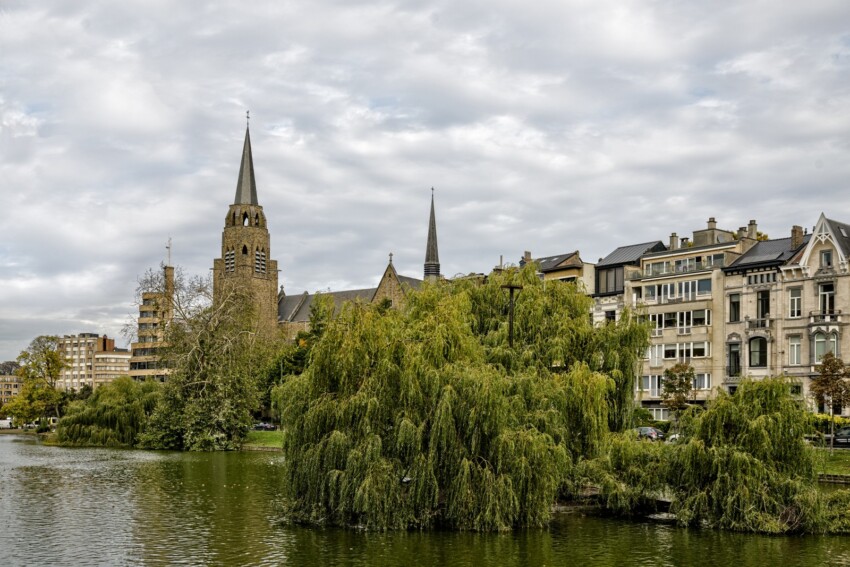
The neighbourhoods of Matongé, Ixelles and St-Gilles are located south of Brussels’ historic centre, the Îlot Sacré, and are the liveliest areas of the Belgian capital, ideal for an aperitif and shopping.
Matongé is Brussels’ African neighbourhood and is the ideal place for those seeking ethnic restaurants, spices and fabric shops. Rue Saint Boniface is the trendiest part of the neighbourhood, where you’ll find excellent restaurants frequented by a fashionable clientele.
Along the avenues of Ixelles and St-Gilles stand beautiful Art Nouveau palaces with design shops and art galleries.
Guided and free tours of Brussels
Discover Brussels through the eyes of expert guides who will take you on a tour of the city's hidden treasures. Participating in a guided visit or a free tour will allow you to capture the true essence of Brussels.
The free tours are a viable alternative to traditional guided tours. They work like this: participation is free and at the end of the visit you can leave a tip at your discretion. Below you will find our favourite free tour, otherwise you can see the full list by visiting this page.
In the following map you can see the location of the main places of interest mentioned in this article.
Brussels Card: how to save on attractions and transport
The Brussels Card allows you to enter over 30 museums in the Belgian capital for free, unlimited travel on STIB trams, buses and the underground, guarantees you discounts on tours and at some restaurants, and finally provides you with a 5 to 25 per cent discount in various shops and boutiques.
You can choose from various durations of the Brussels Card: cards are available for 24, 48 or 72 hours.
Children under 12 don’t need a card as most museums and attractions already offer discounted admission.
Brussels is a child-friendly city, not only because most museums and attractions offer reduced prices for children but also because bars and restaurants have menus designed for the young and the streets are pram-friendly.
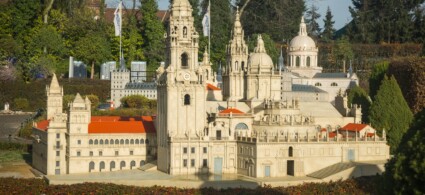
The Mini Europe park is without doubt one of the most popular destinations for children, who can let their imagination run wild and marvel at the wonders of European countries. The Children’s Museum in Ixelles is an excellent choice as it will give your children the chance to play and learn.
Furthermore, both adults and children will certainly be fascinated by the Belgian Comic Art Museum on Rue de Sablons. If you have time, visit the Natural Sciences Museum, famous for its dinosaur collection, and by all means the Atomium.
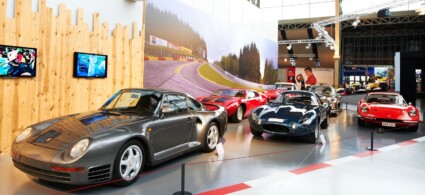
Autoworld, also at Cinquantenaire Park, and the maze in the gardens of the Van Buuren Museum are also excellent choices.
How to save on transport and entrance fees
City Card allow you to save on public transport and / or on the entrances to the main tourist attractions.
 Hotel
Hotel  Budget accommodations
  Apartments
  Family Hotel
 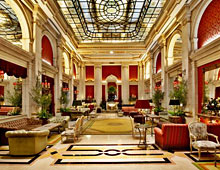 Luxury Hotel