Bestseller
Brussels: Atomium Entry Ticket with Design Museum Ticket
From 17,00 €
Buy the ticket
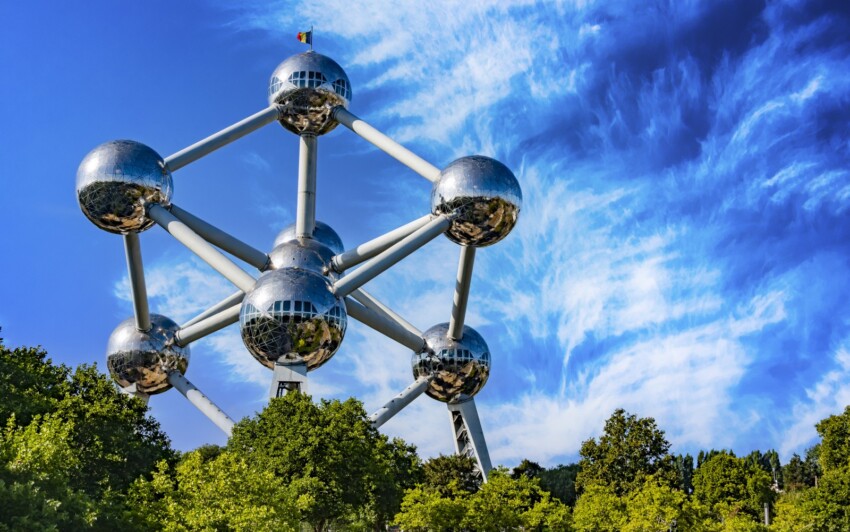
The Atomium is to Brussels what the Eiffel Tower is to Paris: it’s the city’s iconic monument, featured on every postcard and promotional leaflet advertising tours of the Belgian capital.
It’s neither a tower nor a pyramid, yet it evokes both; part cubic and part spherical, it could accurately be described as a gigantic sculpture or a marvellous contemporary architectural masterpiece.
This futuristic steel construction with its distinctive atomic form—a clear reference to the peaceful use of nuclear energy—was built for the Expo58 in Brussels during a period of great optimism about the future. It still embodies the ideals of the city that witnessed the birth of a united Europe: democracy, peace between nations, progress.
Stunning to admire from the outside, both from afar and up close, Brussels’s Atomium is also a fascinating museum with an unusual multi-level layout housed within 5 giant spheres, and one of the city’s best viewpoints. At night, illuminated by over two thousand LED lights, it’s a captivating visual spectacle.
Think of all the photos you’ll take home!
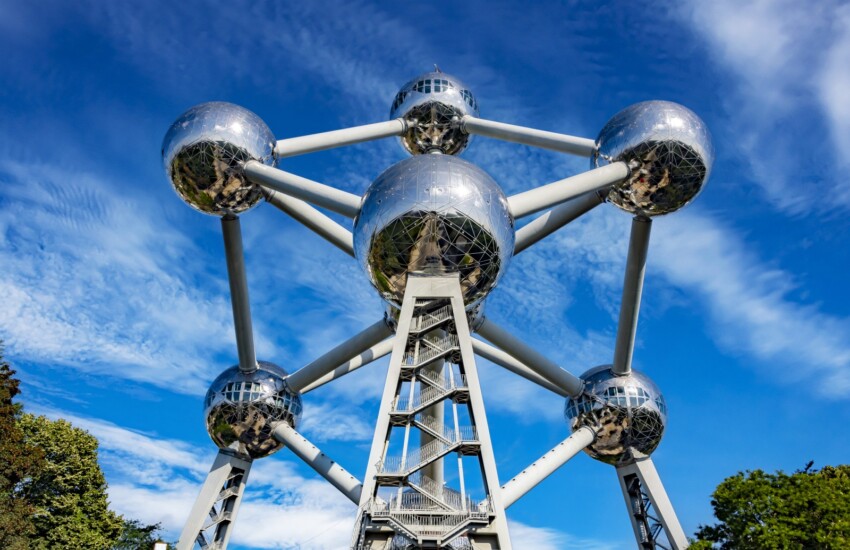
The Atomium isn’t just a futuristic structure to photograph from outside—it’s also a cutting-edge attraction open to the public.
You can visit five Atomium spheres plus entrance halls and tunnels, spanning eight levels in total. The other levels of the Atomium house bookable event spaces, offices, technical areas and the Kids Sphere, a dedicated area for activities aimed at schools and children’s groups.
Your Atomium visit begins with a journey to the Panorama (level 7), which many visitors feel alone justifies the entrance fee. From the Atomium’s highest sphere (92 metres above ground), equipped with expansive panoramic windows, you’ll enjoy an exceptional 360° view across Brussels.
Look south and west to admire the tall buildings of Brussels’s Manhattan skyline, the imposing Basilica of the Sacred Heart and naturally the Grand Place. To the north you can see the Brussels Expo site and what remains from the 1935 and 1958 world’s fairs. To the north-east, on a clear day you’ll be able to spot the port of Antwerp.
The only place higher than the Panorama is the bar-restaurant on level 8, but entry is reserved for customers: you can only enter if you intend to dine or have a drink.
The Panorama is accessible by lift only.
Discover how the Atomium became Brussels’s emblem by visiting the permanent exhibition Atomium. From Symbol to Icon, which occupies levels 1 and 2 and part of level 7 (panorama).
The exhibition traces the history of this extraordinary structure through historical documents, photographs, videos, scale models and period artefacts. It’s a meticulously curated display that will transport you back to the optimism and cultural dynamism of the Expo years and help you understand how the energy permeating the Atomium remains more vital than ever today.
You can also compare images from Expo58 with the views we see today. A section of the exhibition is dedicated to Brussels’s major neighbourhoods and buildings.
The permanent exhibition is accessed via stairs or escalators.
No less interesting than the permanent exhibition are the temporary exhibitions organised within the Atomium, devoted to themes aligned with the Atomium’s mission and vision: substantial focus on social issues and human rights, technological innovations, design and architecture.
Temporary exhibitions occupy levels 3, 4 and 5, accessible via stairs or escalators. Level 6 features an observation point: positioned much lower than the Panorama, it offers a fine view of the Atomium’s structure.
Once you’ve left the Atomium, the wonders aren’t over: spend some time admiring the art installation by Arik Levy, an Israeli-born industrial designer and contemporary artist who has achieved international acclaim.
The imposing installation is called RockGrowth and develops a theme the artist has explored over the years with similar installations in strategic locations in other cities worldwide. The basic concept is that rock can emerge from the ground and grow as if it were organic matter.
The Atomium’s RockGrowth, comprising three red sculptures, is the first coloured version of the RockGrowth series. A must-photograph moment!
Your Atomium admission ticket can be purchased online or directly at the ticket office up to half an hour before closing. The ticket price includes:
Discounts are available for adults over 65 years of age, young people up to 17 years old, and students with a valid international student card. Entry is free for children under 115 cm in height.
Audio guides aren’t available, but the CloudGuide-Atomium app is accessible: download it free (you can use wifi at reception), and it serves as your personal guide during your visit, providing information and anecdotes about the Atomium’s history, its construction, the society of the era and the 2006 renovation.
Given the high volume of visitors to Brussels’s Atomium, it’s advisable to book tickets in advance directly online by clicking the box below. Purchasing your ticket online will let you avoid the queues that form daily at the ticket offices.
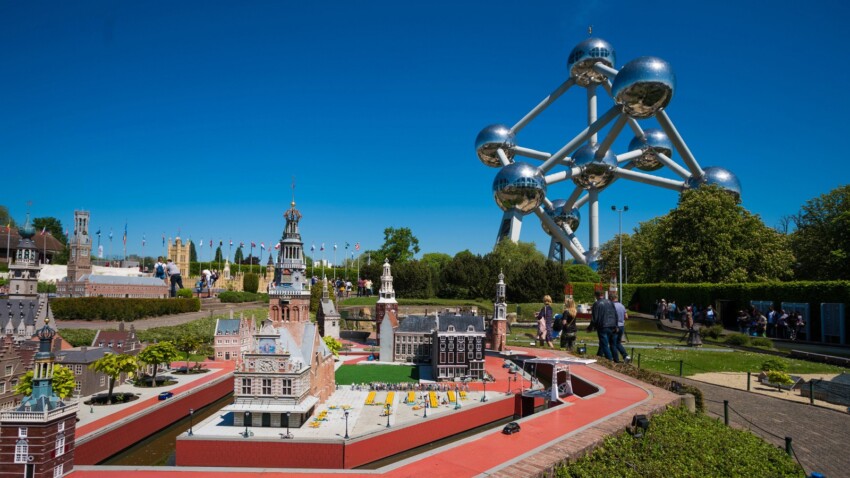
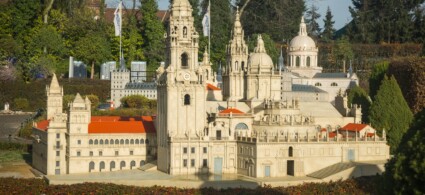
A combined Atomium + Mini Europe ticket is also available, allowing you to visit the miniature park with 1:25 scale reproductions of Europe’s major monuments. The Mini Europe park entrance is located 200 metres from the Atomium.
If you’re planning to buy the Brussels discount card, note that the Atomium ticket isn’t included with the basic version; you’ll need to purchase the card with the Atomium entry option.
The Atomium is open 365 days a year from 10:00 to 18:00. Opening hours may vary on public holidays. Generally, the quietest times are from 10:00 to 12:30 and from 14:00 to 16:00: bear this in mind if you prefer to avoid crowds.
Here are some things it’s worth knowing to make the most of your Atomium experience:
The Atomium was built for the Universal Exposition held in Brussels in 1958 (Expo58), where it was the most important and most visited pavilion. The project was undertaken by engineer André Waterkeyn and architects André and Jean Polak.
This unique structure was intended as a tribute to the democratic spirit of the newly formed United Europe (the Treaty of Rome dates from 1957), to the commitment to maintaining peace between nations and to faith in scientific progress.
It had been conceived as a temporary structure, but its success and visitor enthusiasm convinced everyone that the Atomium couldn’t be demolished. A far-sighted decision that means we can visit it today.
The Atomium underwent a complete overhaul in 2006 for necessary maintenance and safety work, but also to appeal to modern audiences. With this renovation, the Atomium reconfirmed its role as a cutting-edge attraction.
The Atomium is located outside Brussels’s city centre, in the northern part of the city, but it’s easily accessible by public transport.
The simplest and quickest way to reach the Atomium is to take metro line 6 and get off at Heysel/Heizel: from the station you can reach the entrance in just 5 minutes on foot. To reach Heysel/Heizel from the centre, allow approximately 15 minutes.
An even more convenient option is hop-on/hop-off tourist buses: all major lines have a stop at the Atomium.
City Card allow you to save on public transport and / or on the entrances to the main tourist attractions.
 Hotel
Hotel  Budget accommodations
  Apartments
  Family Hotel
  Luxury Hotel