Brussels: Atomium Entry Ticket with Design Museum Ticket
12.270 reviews
Buy now
From 17,00€ per person
Belgium is a country that knows how to celebrate: throughout the year, the calendar fills with events that reflect its extraordinary cultural variety, from the electronic music of summer festivals to UNESCO-recognised medieval processions, from some of Europe’s most beautiful Christmas markets to carnival celebrations that transform Walloon cities into surreal settings. Checking the events calendar before planning your trip means you can experience Belgium at a time of authentic celebration — or, conversely, deliberately choose a quieter period to enjoy the cities without the pressure of large crowds.
The events described in this guide are recurring and established in Belgian tradition. Dates and programmes can vary from year to year: before you travel, it is always advisable to verify up-to-date information on the official websites of individual events or the regional tourist portals of Flanders, Wallonia and Brussels.
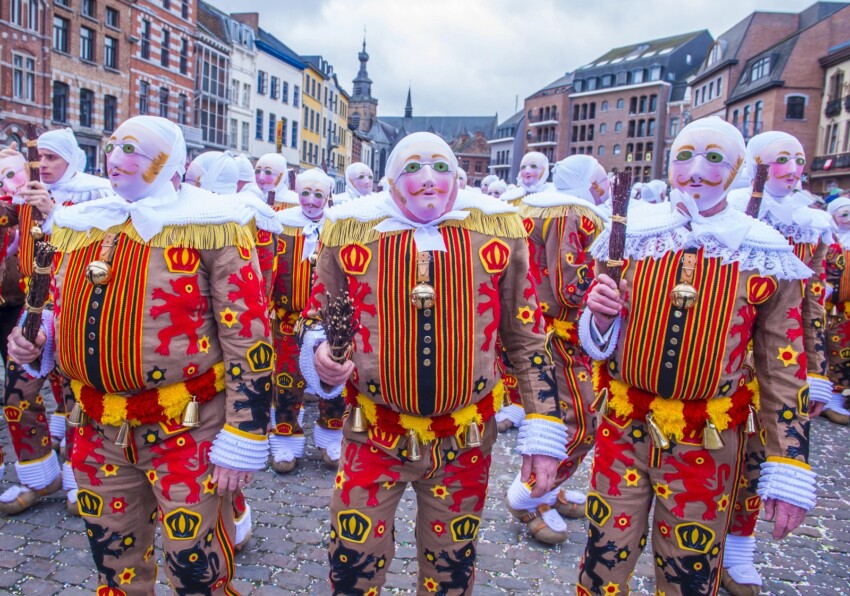
The Binche Carnival is Belgium’s most celebrated carnival and one of Europe’s oldest, inscribed in 2003 on the UNESCO List of Intangible Cultural Heritage of Humanity. It takes place in the small town of Binche, in Wallonia, in the three days preceding Shrove Tuesday, and is dominated by the Gilles: masked figures in traditional costumes of vivid colours, wearing plumed hats over a metre high and characteristic wax masks with enigmatic expressions. During the Shrove Tuesday parade, the Gilles throw oranges towards the crowd — a symbol of prosperity and good luck — in a ritual that has remained unchanged for centuries. Witnessing the Binche Carnival is an authentic and surreal experience, worlds away from the commercialised carnivals found in other parts of Europe.
The Aalst Carnival, in East Flanders, is also recognised by UNESCO and stands out for its irreverent, satirical and provocative spirit. The allegorical floats target politicians, religions and public figures with sharp irony that reflects the Flemish tradition of freedom of expression. The event takes place over the Carnival Monday weekend and attracts tens of thousands of visitors from across the country. Among the more curious traditions are the throwing of onions from the town hall tower and the parade of the Voil Jeannetten, men dressed as women in extravagant and colourful outfits.
Easter in Belgium is celebrated with particular enthusiasm, understandable in a country where chocolate is practically a state religion. In the weeks before Easter, the windows of chocolate shops fill with eggs, chickens and rabbits handmade from extraordinary quality chocolate. Many towns organise egg hunts in public parks for children, and Belgian families follow with devotion the tradition of the cloches de Pâques, the Easter bells that according to legend bring chocolate from their stop in Rome. The main chocolate shops in Brussels and Bruges set up spectacular themed window displays that are already worth a visit in themselves.
Ghent Floralia is one of Europe’s most important flower shows, held every five years at the Exhibition Palace in Ghent in April. The event transforms thousands of square metres into a spectacular floral carpet, featuring begonias, azaleas, orchids and rare flowers from around the world. Floralia has a tradition dating back to 1809 and represents a must-see appointment for gardening and botany enthusiasts, but also for those simply seeking an extraordinary visual spectacle. As it is a five-yearly event, check the year of the next edition before planning your trip.
One of Belgium’s most famous and beloved events internationally is the Tour of Flanders, a historic road cycling race held on the first Sunday of April since 1913. An essential date for all cycling enthusiasts, it is a race with an epic flavour capable of exciting even the casually curious.
Kunstenfestivaldesarts is one of Europe’s most important international festivals of performing arts, held every May in Brussels for approximately three weeks. The festival features theatre, dance, performances and installations from around the world, with a programme that privileges experimentation and dialogue between different cultures. The name itself — half Dutch, half French — reflects the bilingual and multicultural character of the Belgian capital. Performances take place in theatres, converted industrial spaces and unconventional venues distributed throughout the city, transforming Brussels into an open-air stage for several weeks.
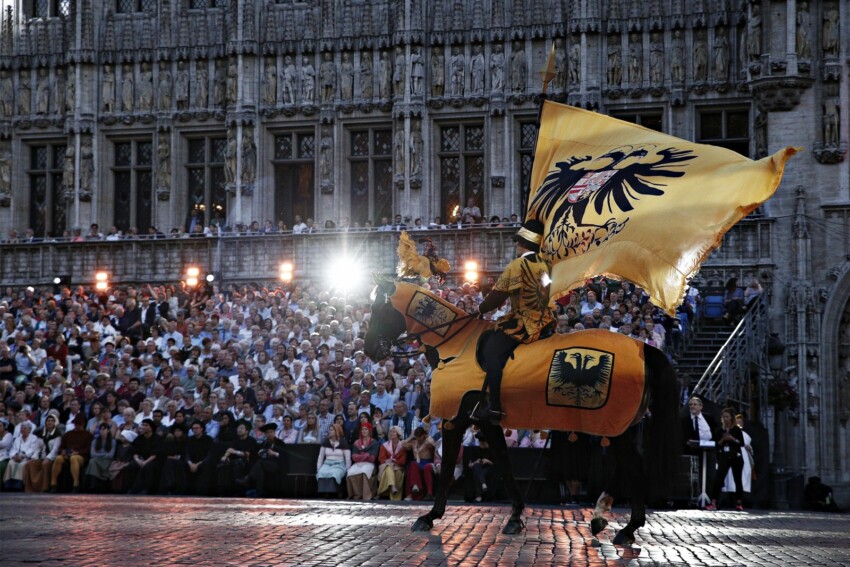
The Ommegang is one of Europe’s most spectacular historical re-enactments: every year, in June or July, the Grand-Place in Brussels is transformed into a Renaissance stage to commemorate the triumphant entry of the Emperor Charles V into the city in 1549. Over 1,400 costumed extras parade through the streets of the historic centre to the Grand-Place, where a spectacle of falconry, medieval games and Renaissance dances unfolds. Tickets for the grandstands set up in the square sell out months in advance: if you plan to attend, book early.
The Procession of the Holy Blood (Heilig Bloedprocessie) takes place every year in Bruges on Ascension Day, in May or June. It is one of Belgium’s oldest religious processions — the tradition dates back to 1303 — and carries through the streets of the historic centre the precious relic of the Blood of Christ preserved in the Basilica of the Holy Blood. The procession involves hundreds of costumed extras in biblical and medieval dress and attracts tens of thousands of pilgrims and tourists from across Europe. The day culminates in a solemn cortège that winds through Bruges’ most evocative streets, a city that during Ascension Day assumes an atmosphere of contemplation and beauty difficult to forget.
21 July is Belgium’s National Day, commemorating the oath of allegiance to the Constitution of Belgium’s first king, Leopold I, sworn in 1831. In Brussels the day is marked by a major military parade on Boulevard du Régent, free concerts in the square, evening fireworks and the extraordinary opening of the Royal Palace to the public — a rare opportunity that Belgians and tourists seize every year with long queues but great satisfaction. Throughout the country, celebrations spread to town squares with concerts, fairs and popular events.
The Ghent Jazz Festival transforms Ghent every year into one of Europe’s jazz capitals for approximately ten days in July. The event takes place primarily outdoors, with free and ticketed concerts distributed across several stages in the historic city centre. The programme alternates international names of contemporary jazz with emerging artists and local ensembles, in an informal and convivial atmosphere that perfectly reflects the spirit of the city. Ghent in July is a particularly pleasant destination: evenings by the Graslei with jazz music spreading among the medieval canals are among the most beautiful experiences summer Belgium has to offer.
Couleur Café is one of Belgium’s most anticipated music festivals, dedicated to world music, reggae, afrobeat, hip hop and Afro-Caribbean sounds. It is held every year in late June or early July in the Tour & Taxis park in Brussels, a former railway and customs complex transformed into a cultural hub. The typical edition lasts three days and features dozens of artists on multiple stages, with a multicultural and festive atmosphere that perfectly reflects the composition of Brussels’ population. The festival is also appreciated for its gastronomic offerings, with stands dedicated to cuisines from around the world.
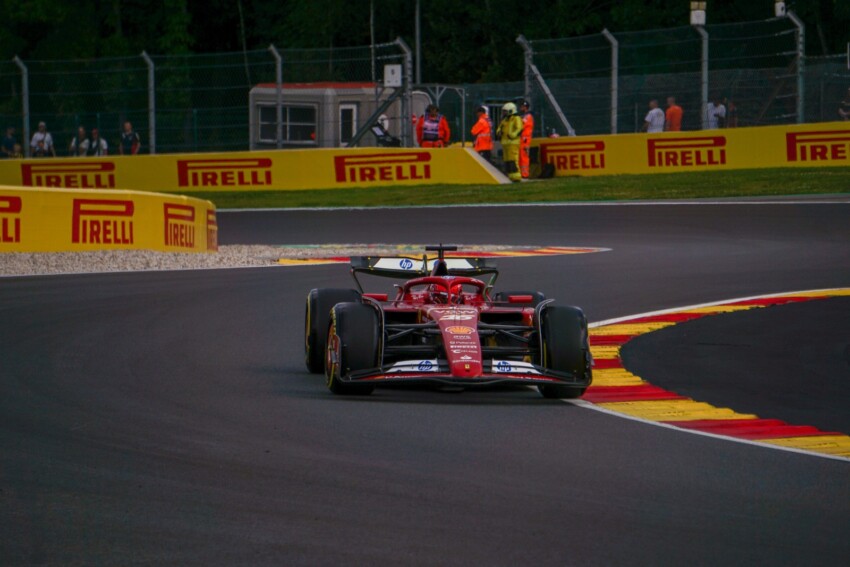
The other major sporting event on Belgium’s events calendar is the Formula 1 Grand Prix held on the Spa-Francorchamps circuit, usually in late July. Epic battles between the great champions who made motorsport history have taken place here, such as Senna, Schumacher, Prost and Lauda. Famous and infamous is the sequence of corners named Eau Rouge/Raidillon: the descent followed by the climb at full speed is unanimously considered one of the most spectacular and challenging combinations on the entire world calendar, capable of keeping both drivers and spectators on the edge of their seats with every pass.
Tomorrowland in Boom, near Antwerp, is one of the world’s most famous and anticipated electronic music festivals. It takes place over two consecutive weekends in July or August and attracts over 400,000 participants from more than 200 countries every year. The scenography is its most spectacular element: gigantic stages with fairytale designs, special effects and visual productions unmatched in the world festival landscape. Tickets sell out within minutes of going on sale, often months before the event. Those lucky enough to attend experience total immersive experience; those unable to get tickets can still enjoy the weekend in an Antwerp animated by festival-goers from around the world.
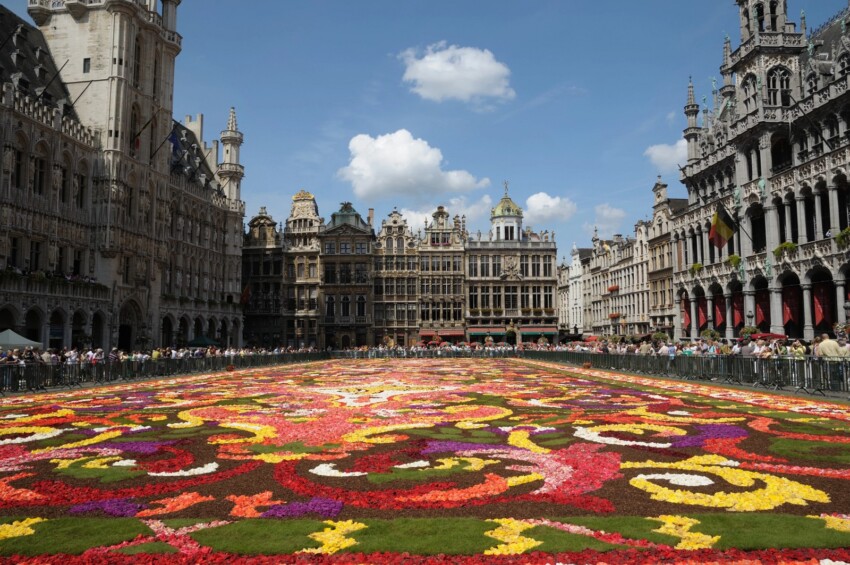
Every two years, in August, the Grand-Place in Brussels is transformed into one of the world’s largest and most spectacular flower gardens: the Carpet of Flowers (Tapis de Fleurs) covers the entire plaza surface — approximately 1,800 square metres — with over 600,000 fresh begonias arranged to form geometric patterns of extraordinary precision and beauty. The installation remains visible for four days and is admired at each edition by hundreds of thousands of visitors. As it is a biennial event, check the year of the next edition before planning your trip.
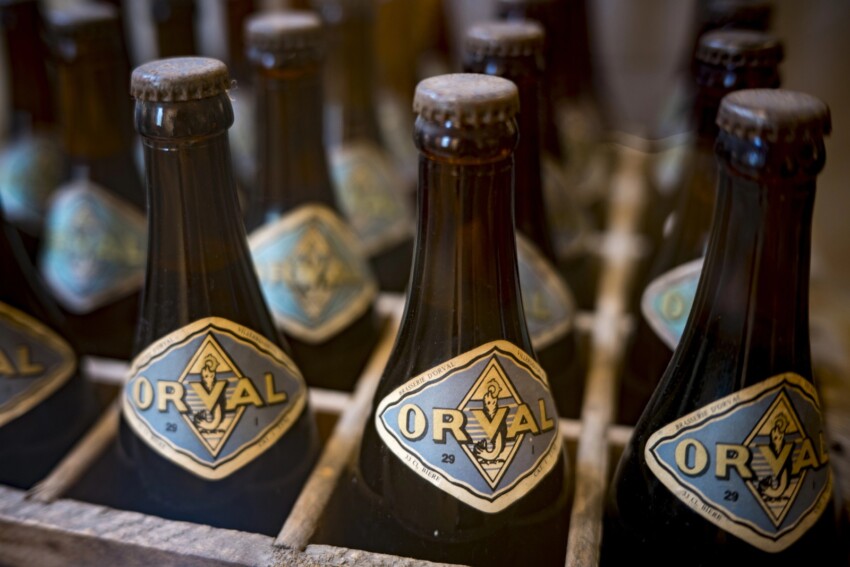
The Belgian Beer Weekend takes place every year in September in the Grand-Place in Brussels and is one of the most beloved events by tourists and Belgians alike: for three days, over 400 Belgian beers — including many Trappist, lambic and abbey beers difficult to find elsewhere — are available for tasting at stands set up in the country’s most beautiful square. The event is organised by the Belgian Brewers’ Confederation and includes guided tastings, brewery presentations and insights into Belgian brewing culture, recognised by UNESCO as intangible cultural heritage of humanity. The souvenir glass purchasable at the entrance has become a collectible item for enthusiasts over time.
The Brussels International Fantastic Film Festival (BIFFF) is one of Europe’s most important film festivals dedicated to fantasy, horror and science fiction cinema, held every year in spring with special editions in autumn. Founded in 1983, it has helped launch or establish numerous genre cinema directors internationally. Screenings take place in a festive atmosphere, with a participative and vocal audience that transforms each viewing into a unique collective experience. For genre enthusiasts it is an essential appointment.
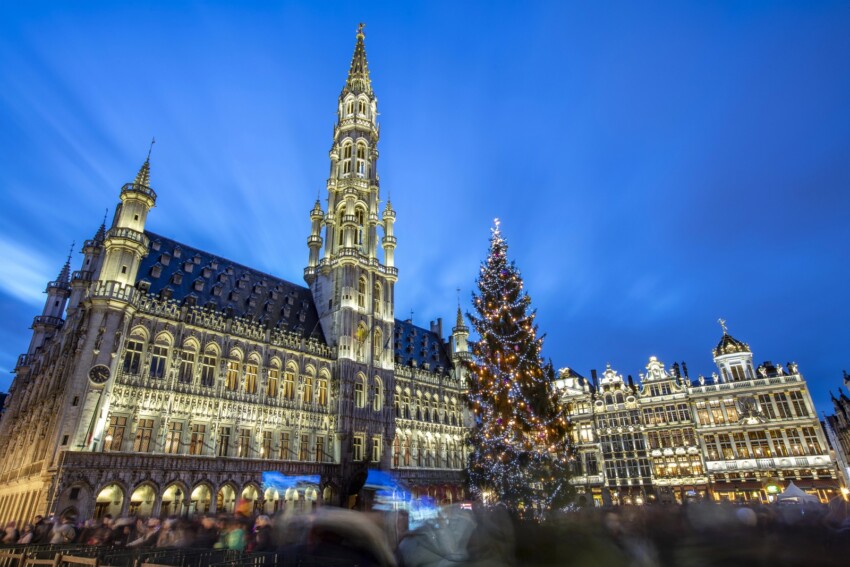
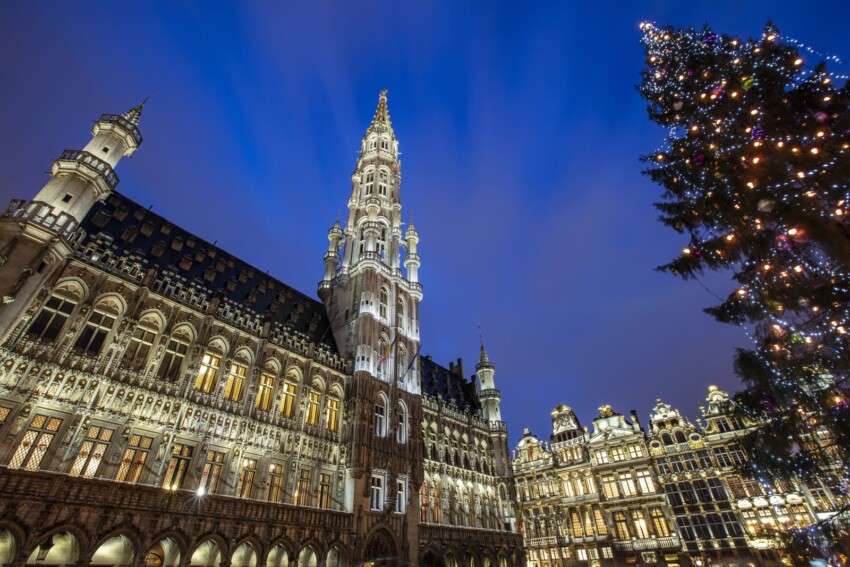
Plaisirs d’Hiver — literally “winter pleasures” — is Brussels‘ Christmas market and one of Europe’s largest and most spectacular. From late November until 1 January, the capital’s historic centre transforms into a festive village stretching from the Grand-Place to the Royal Palace, with hundreds of wooden chalets selling crafts, local food, mulled wine, hot chocolate and Christmas decorations. The Grand-Place, already one of the continent’s most beautiful locations, becomes utterly magical when illuminated by festive decorations and wrapped in the aroma of spices. An ice-skating rink and a large observation wheel complete the festive atmosphere.
The Bruges Christmas market is considered by many to be Belgium’s most romantic, thanks to its medieval town setting with frozen canals, illuminated red-brick facades and human-scale proportions. Running from late November through early January, the chalets are located in Markt Square and Simon Stevinplein, with an ice-skating rink in the heart of the historic centre. The atmosphere is more intimate and relaxed compared to Brussels, making it ideal for those seeking an authentic Northern European Christmas experience.
Ghent and Liège also host high-quality Christmas markets. Ghent distributes its chalets along the canals and through main squares, creating a festive route that winds through the city’s most picturesque quarters. Liège, meanwhile, hosts the Marché de Noël in Place Saint-Lambert, among Wallonia’s most popular, with a strong tradition of artisan and gastronomic trading that reflects the genuine, convivial spirit of this Meuse city.
Overshadowed by classic destinations like London and Paris, Brussels is rarely considered for a New Year’s Eve break. Yet it’s perfect: the selection of festive dinners, club nights and public celebrations genuinely rivals more sought-after destinations. There truly is something for everyone: delicious meals in refined bistros, alternative music parties in massive concert halls, cabaret and burlesque shows, nightclub evenings, fireworks at the Atomium… and that’s just scratching the surface!
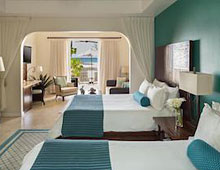 Hotel
Hotel 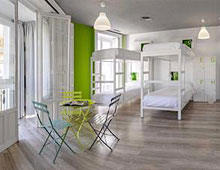 Budget accommodations
  Apartments
 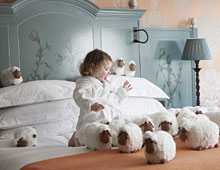 Family Hotel
 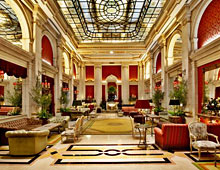 Luxury Hotel