Brussels: Atomium Entry Ticket with Design Museum Ticket
12.633 reviews
Buy now
From 17,00€ per person
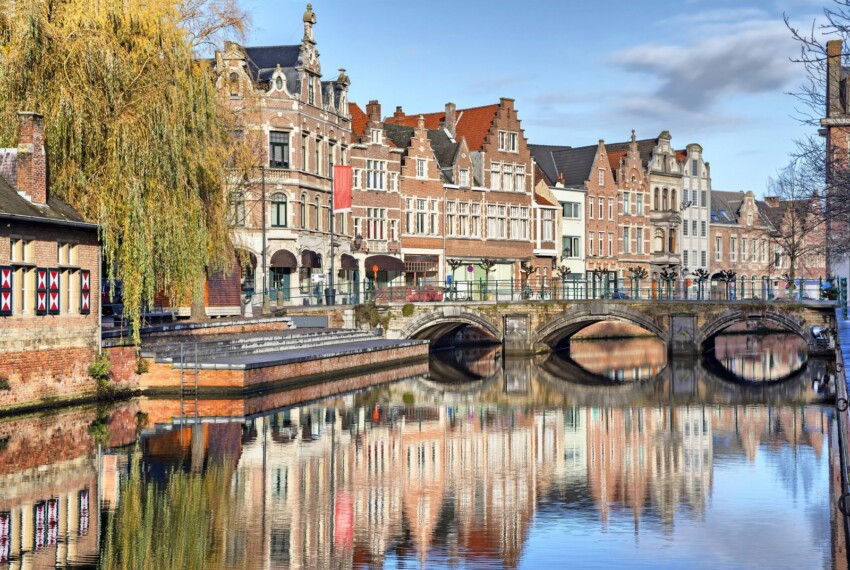
Flanders is so much more than Bruges, Ghent or Antwerp: there are numerous towns and attractions to discover, far removed from the beaten tourist trail.
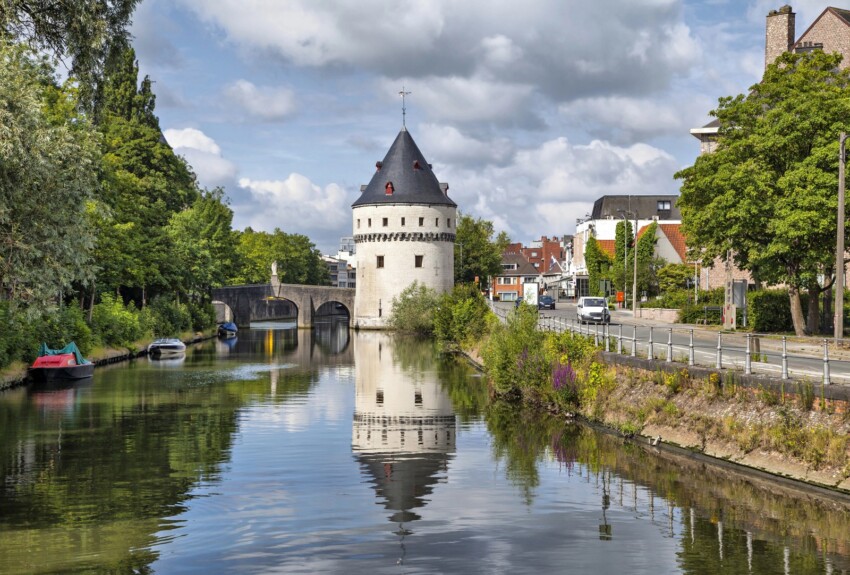
The city of Courtrai, known as Kortrijk in Flemish, is the largest town in West Flanders and lies 42 kilometres south-west of Ghent, not far from the French border.
The old town, washed by the Lys river, is a captivating blend of ancient and modern buildings: during the Second World War, the city was bombed and since then the historic Flemish heart has transformed whilst retaining numerous characteristics of its prosperous past.
On the market square stands the impressive Town Hall, a construction from 1421 with a beautiful façade adorned with small spires and niches containing statues. The slightly leaning medieval bell tower is flanked by the tower of the Gothic Sint-Maartenskerk church.
Also worth visiting are the béguinages, small terraced cottages whitewashed with lime that line narrow cobbled streets.
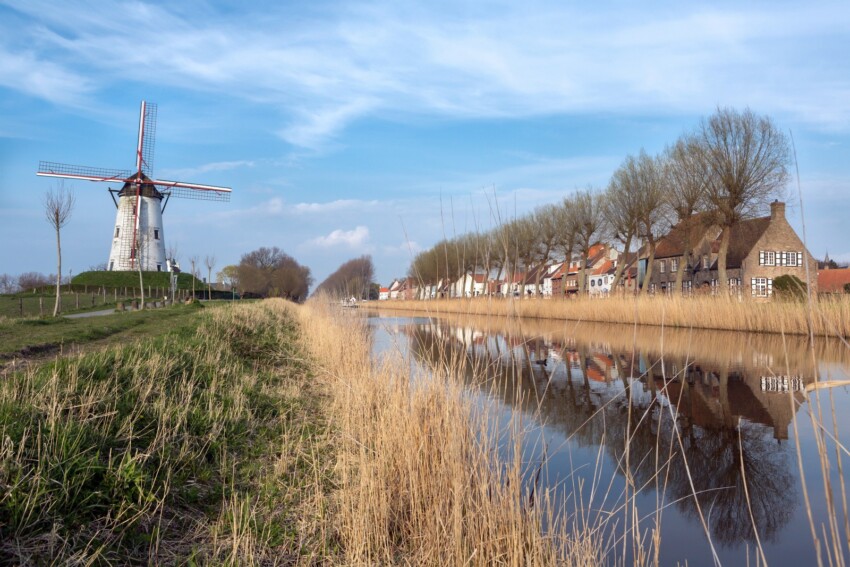
Just 7 kilometres north-east of Bruges and a short distance from the Belgian coast, on the Zwin river which leads to Zeebrugge, sits the charming Flemish town of Damme, a picturesque medieval centre that spreads out along the main street.
The square is the heart of the village and here you’ll find the magnificent late Gothic town hall, with a façade decorated by 6 statues of Flemish counts and countesses, De Grote Sterre, a 15th-century house, the Sint-Janshospitaal, founded in 1249, and delightful cafés and restaurants. Also remarkable are the partly restored walls, the old windmill and the Church of Our Lady with its imposing 45-metre-high tower offering fantastic views across the surrounding countryside.
The best way to reach Damme is by taking a canal cruise from the Noorweegse Kaai quay in Bruges. A bicycle excursion is also worth considering, allowing you to admire the splendid countryside in the surrounding area.
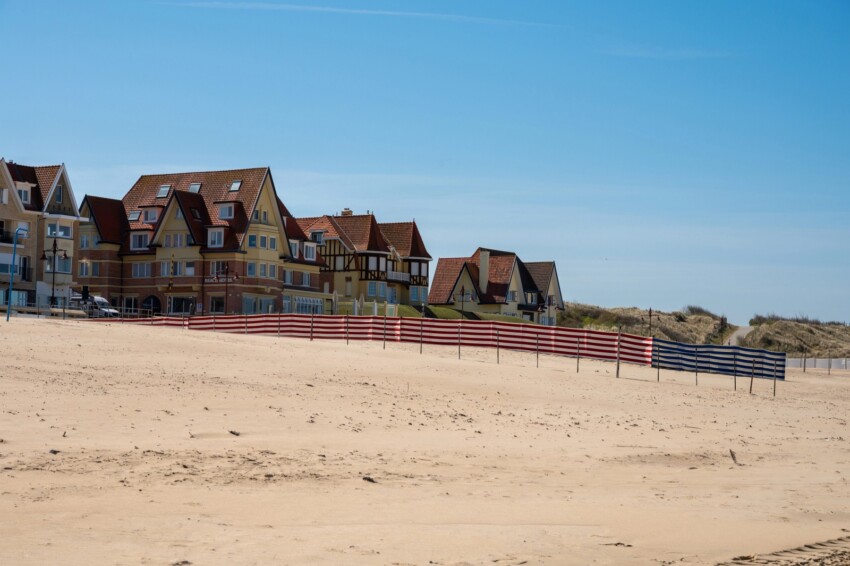
Belle Époque buildings lining winding streets make De Haan a picturesque seaside town on the Belgian coast, 12 kilometres from Ostend, a pleasant place to spend a few days relaxing.
Nestled amongst 157 hectares of dunes and free of high-rise buildings, De Haan is one of Belgium’s most attractive seaside resorts and was even appreciated in the past by Albert Einstein. The Anglo-Norman style houses, with their turrets and red roofs, give it a distinctive atmosphere.
Beyond enjoying pleasant days at the seaside, during your stay you can explore the surroundings thanks to excellent pathways ideal for walks and cycling trips. The De Kijkuit nature reserve is located just behind the beach.
The town also boasts an 18-hole golf course.
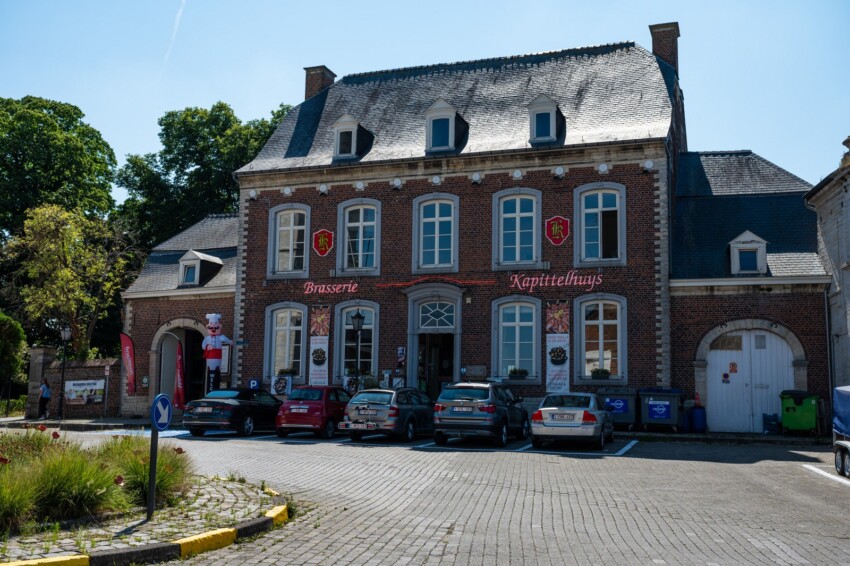
Famous above all for its white beer, the village of Hoegaarden is located 46 kilometres south-east of Brussels.
Founded in 981, the village boasted 12 breweries by 1709. The region’s wealth continued to grow to such an extent that by 1726 Hoegaarden had 36 breweries.
In the post-war period, industrial production, new refrigeration techniques and the rise of pale lagers meant that by 1957 the last wheat beer brewery in Hoegaarden closed its doors, only to become in recent decades a globally recognised brand.
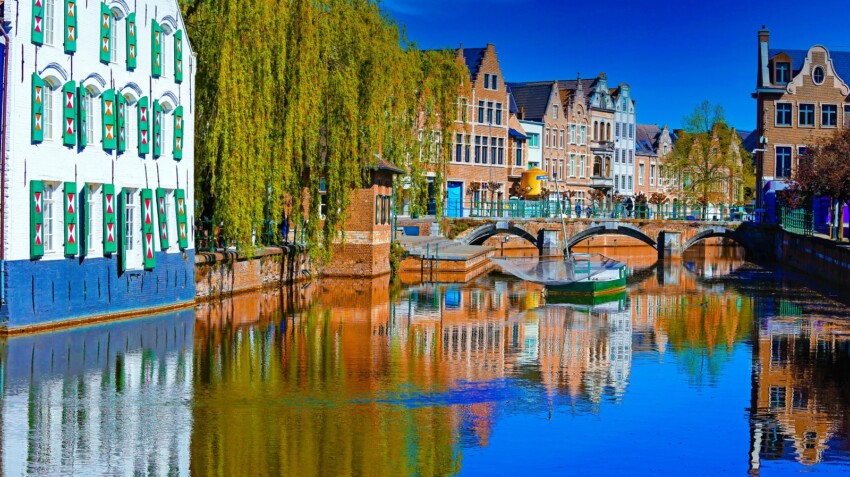
The small and beautiful town of Lier is located about 20 kilometres south-west of Antwerp but remains relatively unknown to international tourism.
The historic centre is surrounded by a circular canal and the Vesten, a pathway following the old line of the city walls. The market square with its historic buildings is dominated by the Rococo town hall from 1740 and the civic tower from 1369, one of Belgium’s 33 UNESCO World Heritage belfries.
Lier is home to one of the most beautiful and largest béguinages in all of Belgium and the famous and picturesque Zimmertoren, both protected by UNESCO. This iconic tower of the city dates in part to the 14th century, but what strikes visitors is the eccentric 1930 clock complete with zodiac signs, a world map and numerous statues.
Lier is also particularly renowned for its beer production.
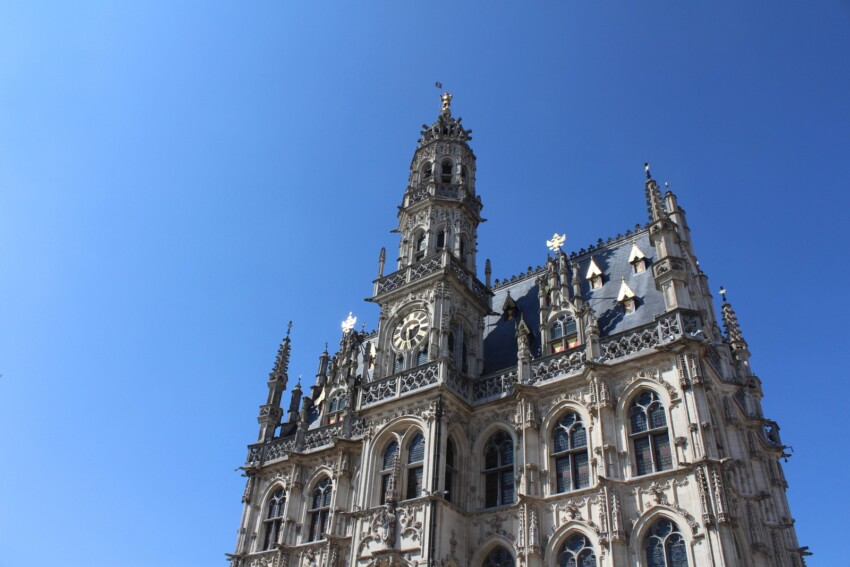
The Flemish town of Oudenaarde is located in East Flanders and reached the height of its splendour in the 16th century thanks to the production of elaborate decorative tapestries created for French and Spanish royal families.
The beautiful late Gothic Town Hall, dating from 1536, dominates the market square. The central tower, topped with a crown, features sumptuous historic interiors, tapestries and a collection of silverware. The market square is also overlooked by the Church of Saint Walburga with its Brabantine Gothic style tower.
In Oudenaarde you can also visit the museum dedicated to the cycling race known as the Tour of Flanders, the Centrum Ronde van Vlaanderen, the Bailiff’s House, Maagdendale Abbey, the béguinages, the magnificent church of Onze-Lieve-Vrouw van Pamele and the Hospital of Our Lady.
Until the last century this town boasted 20 breweries, today only 4 remain, including Belgium’s smallest craft brewery located not far from the centre.
Oudenaarde is situated 25 kilometres south of Ghent, along the banks of the Scheldt river, and just an hour’s drive from Brussels and Antwerp.
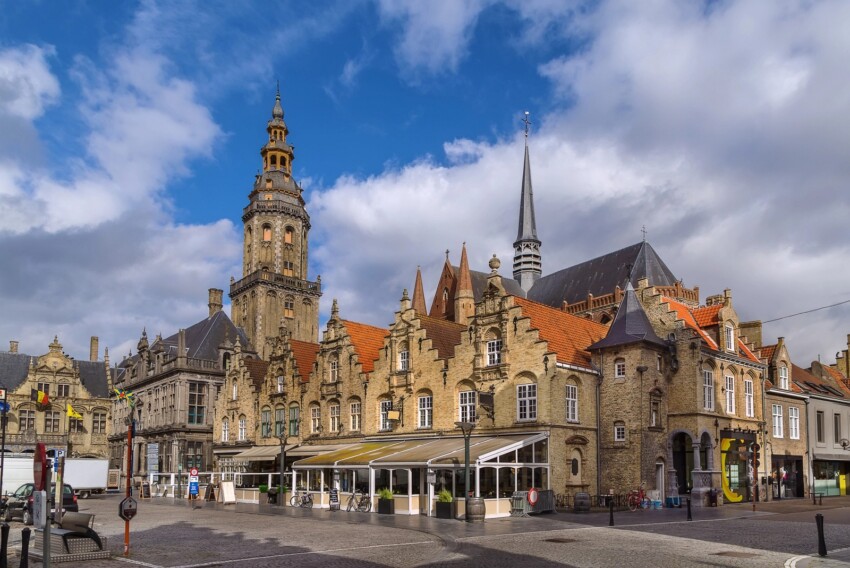
The charming town of Veurne is located in West Flanders and is the most beautiful on the Belgian coast: spires and towers rise above the picturesque Flemish historic centre, founded in the 9th century, which develops around the market square dominated by the octagonal bell tower dating from 1628.
On the central square you’ll also find the fine Town Hall, erected in 1612 in Flemish Renaissance style, the Vleeshuis and the 15th-century Spanish Pavilion.
For a beautiful view of the town and its surroundings, climb the tower of Sint Niklaaskerk, at the south-eastern corner of the market square.
Veurne is located 50 kilometres from Bruges and 40 kilometres from De Haan.
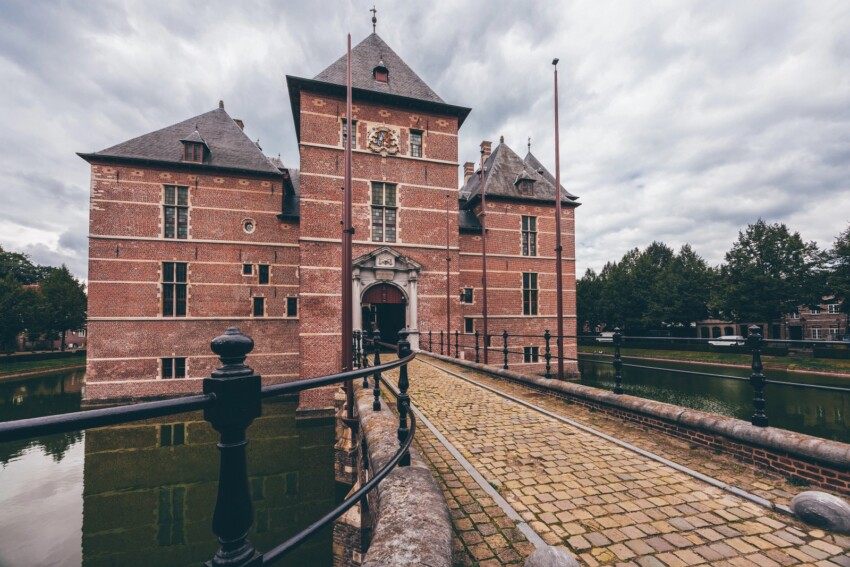
Not particularly notable for its characteristic Flemish architecture, Turnhout, 45 kilometres east of Antwerp, boasts one of the most fascinating béguinages in all of Belgium.
Dating from the 13th century, this complex of red brick cottages, recognised by UNESCO as a World Heritage Site, overlooks a single cobbled street that follows a circular route around a small garden where the Gothic church stands. If you wish to relive the golden age of the béguines, visit the Beguine Museum and admire artefacts, furniture, paintings, lace, porcelain and silverware from that era.
Among the city’s most significant buildings is the Castle of the Dukes of Brabant, built in the 12th century and surrounded by a moat, and the Gothic church of Saint Peter. Inside the fortress, now home to the courts, you can admire beautiful frescoes.
Don’t miss the Taxandria Museum and its extraordinary collection of historic objects.
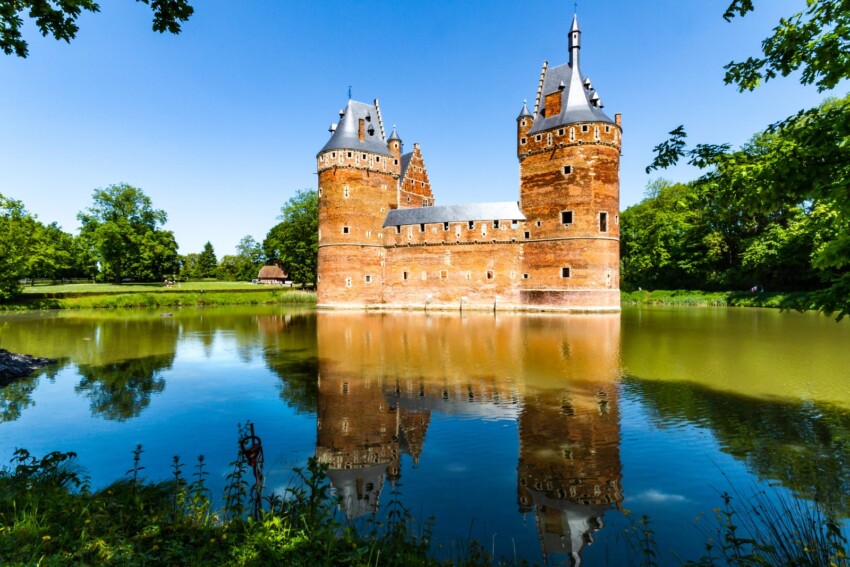
The beautiful Beersel Castle is located in the centre of an artificial lake set within a large park.
This sumptuous fortified country residence, built in the early 14th century as a defensive fortress of the southern borders of the Duchy of Brabant, stands midway between Brussels and Halle and is one of Belgium’s rare examples of military architecture.
Its fortified walls, 3 imposing towers, access bridge, battlement crenellations, loopholes and the evocative setting in which it sits make it perfect for an afternoon away from the city. The sloped roofs date from the 17th century.
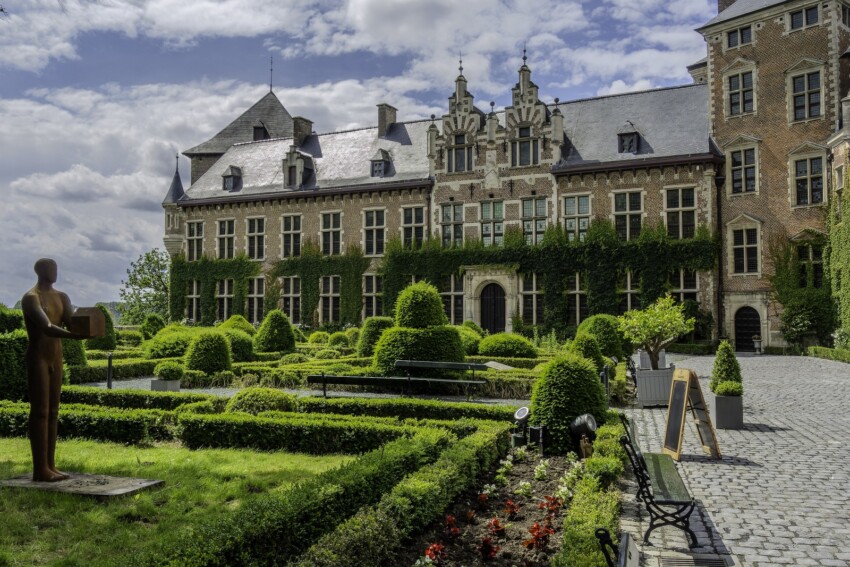
Built around 1240, Gaasbeek Castle stands just outside Brussels and is an imposing medieval structure conceived as a strategic stronghold that underwent a redesign according to late 19th-century romantic principles to become a grand country house.
The castle has an irregular polygonal shape and houses an extensive art collection from the Flemish Community Museum. The windows and stained glass have a neo-Gothic touch.
Gaasbeek is surrounded by 50 hectares of parkland and woodland containing 3 large ponds and several historic buildings including the Baroque Chapel of Saint Gertrude, a pavilion, a barn, a triumphal arch and an octagonal pavilion. The Gaasbeek Garden Museum is particularly lovely – a living museum where you can learn everything about cultivation methods and farming techniques of the past century.
In the following map you can see the location of the main places of interest mentioned in this article.
 Hotel
Hotel  Budget accommodations
  Apartments
  Family Hotel
  Luxury Hotel