The history of Ypres (in Dutch Ieper) spans centuries, but its name is inextricably linked to a single historical period: the First World War.
Five of the most devastating battles of the First World War were fought in the Ypres Salient, claiming the lives of 300,000 Allied soldiers, alongside 200,000 German soldiers and civilians. The town commemorates these tragic events through numerous museums, memorials, war cemeteries, monuments, plaques, churches and a daily ceremony that has taken place without interruption since 1928.
Faithfully reconstructed after the war, Ypres today presents itself as a captivating town, with characteristic streetscapes, peaceful urban walks, the inevitable brewery and an extensive network of footpaths and cycle routes through the countryside just beyond the centre.
For history enthusiasts, beer lovers or anyone seeking a relaxing break in nature, Ypres is certainly a destination worth adding to your Belgium itinerary.
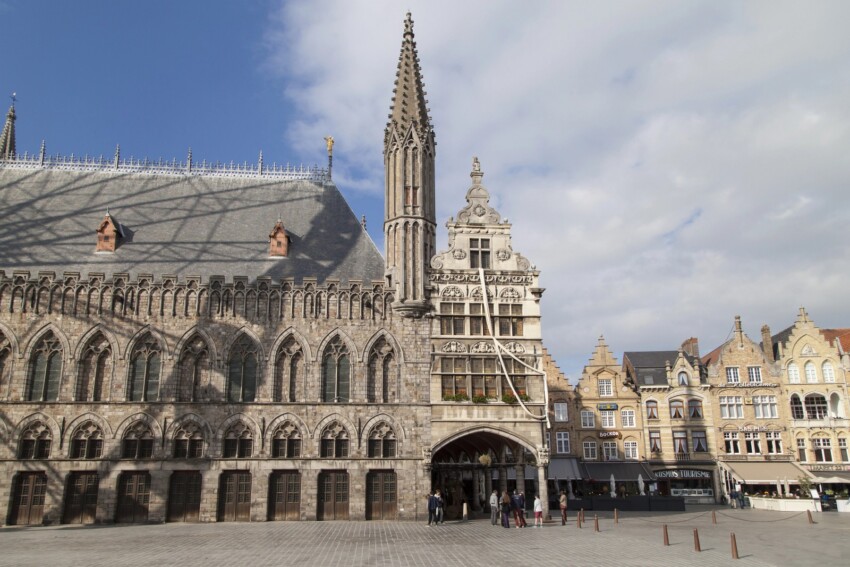
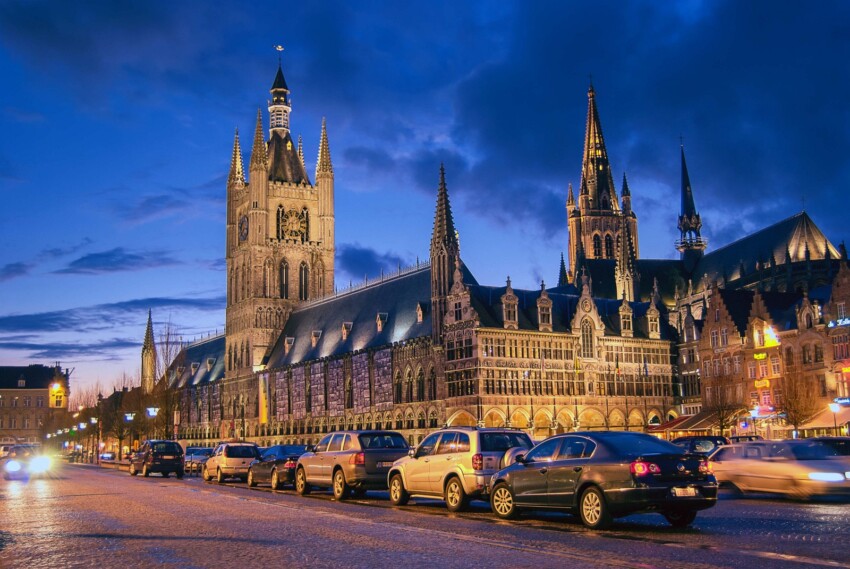
Begin your journey through Ypres’s First World War history at the In Flanders Fields Museum, housed within the Lakenhalle, a magnificent historic building in the town’s main square.
The museum traces Belgium’s invasion and the first five months of the so-called “war of movement”, followed by four agonising years of trench warfare. A section is also dedicated to the war’s conclusion and subsequent commemorations.
Opened in 1998, this modern museum explores every aspect of the war through multimedia installations and sensory experiences designed to immerse visitors in the dramatic atmosphere of those years.
For a small additional fee, once you’ve finished exploring the interactive displays, you can climb to the top of the Belfry tower and survey the town and surrounding battlefields from above.
Next is the moving Menin Gate Memorial to the Missing, a monumental arch resembling Roman triumphal arches, built where a gateway once stood in the town walls, providing access to the road leading to Menin.
Inaugurated in 1927, the memorial was erected at this precise location for its tragic symbolic value: troops departed from here for the front lines.
The memorial’s imposing walls are inscribed with the names of 55,000 British and Commonwealth soldiers who fell in battle and were never given a burial.
During the inauguration ceremony of the Menin Gate Memorial, The Last Post was played—a solemn tune serving as the traditional final salute to fallen soldiers.
Since 1928, every single day without exception, at precisely 8:00 PM the Last Post ceremony is performed at the Menin Gate Memorial, with buglers sounding the call in full dress uniform regardless of attendance numbers or weather conditions. The ceremony’s organisers intend this tradition to be maintained for eternity.
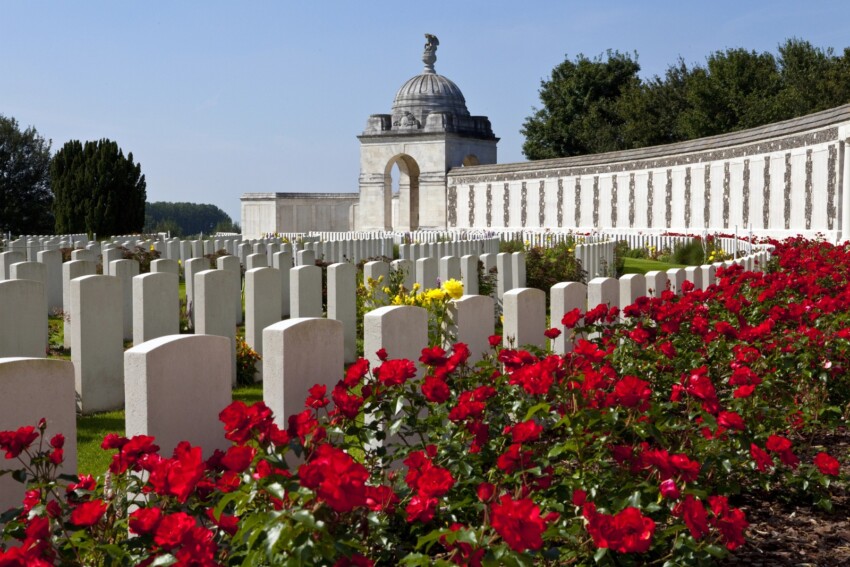
The town is home to two military cemeteries managed by the Commonwealth War Graves Commission, an international organisation responsible for honouring British and Commonwealth soldiers.
The smaller cemetery, with its intimate and peaceful atmosphere, is located on the Ramparts and can be reached on foot from Grote Markt. The other, known as Ypres Reservoir Cemetery, contains over 2,600 graves.
Things to do in Ypres
After these moving memorial visits, treat yourself to some relaxation by exploring Ypres’s other attractions, which are far less emotionally demanding.
The beating heart of life in Ypres is the distinctive market square (Grote Markt), long serving as the centre of commerce and trade and the geographical hub from which the town’s main thoroughfares radiate.
It remains home to a lively weekly market, which is an essential fixture in the calendars of Ypres residents, and hosts some of the town’s most important events.
The square is lined with magnificent buildings in the medieval and Renaissance styles typical of Flemish architecture: these are faithful reconstructions of the originals destroyed during the war. Besides the already mentioned Lakenhalle, the finest include:
“the three taverns” Het Klen Stadhuis, Den Anker and In de Trompet
Known by the English term Ramparts, Ypres’s defensive walls have a history spanning more than a millennium: they evolved from a simple wall protected by a moat into a complex system of fortifications, bastions, ditches and islets.
During your stay in Ypres, dedicate about an hour and a half to walking the Ramparts. This marked route is 2.6 km long and offers an easy, leisurely walk suitable for all abilities.
One of Ypres’s few war-unrelated museums is the Merghelinck Museum, a recreation of an elegant French townhouse from 1774, brimming with antiques and artworks.
Unfortunately, it doesn’t maintain regular opening hours and can only be visited by guided tour. It’s advisable to contact the museum in advance; alternatively, you can speak with the local tourist office.
Curious is the transformation of Bellewaerde, which has evolved from a battlefield into an amusement park.
Ypres’s family-friendly attraction is today an ideal destination for a day of carefree fun, featuring a playground, rides, shows and a zoo with 300 species of exotic animals, all set within a splendid natural landscape. It’s difficult to believe this once witnessed suffering and atrocities.
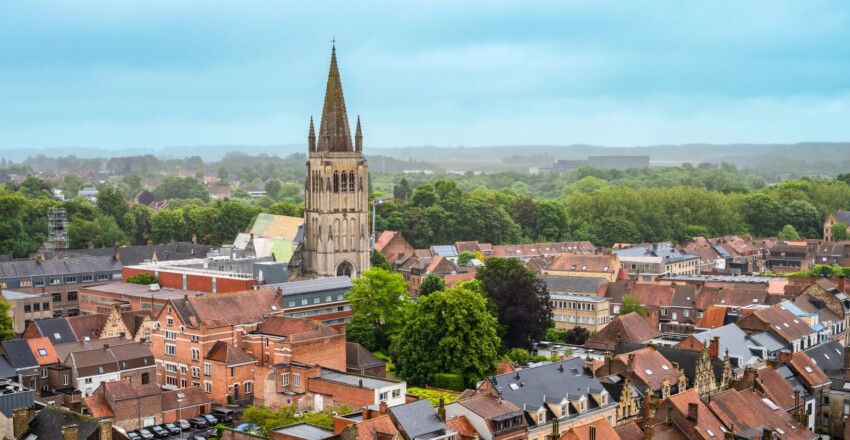
Just behind the Lakenhalle stands St-Maarten en St-Niklasskerk, Ypres’s finest church, almost completely destroyed during the First World War and restored to its original Gothic splendour through careful reconstruction.
Breweries in Ypres and surroundings
For beer enthusiasts, Ypres is an essential stop on any Belgium trip, as the town lies approximately twenty minutes’ drive from a place that has become genuinely iconic: the Westvleteren Monastery10, where the eponymous beer is brewed.
It’s considered one of the world’s finest beers, with undeniably exceptional quality, but its legendary status largely stems from its scarcity. Unlike other Trappist monasteries, Westvleteren produces in limited quantities—only enough to ensure the monastery’s basic financial needs.
Each customer can only purchase a limited number of bottles; those who manage to acquire a small supply resell them at collector’s prices: sometimes €20 or more for a small bottle.
If you prefer local flavour over legend, you can taste the beers from Ypres’s own brewery, the Kazematten Brewery11.
Since its founding, the brewery has been located in the town centre within the historic Kazematten van het Houten Paar fortifications: for centuries the building was used for military purposes (weapons store, soldier shelter, command headquarters, hospital) and was also home to the British wartime newspaper First World War Wipers Times.
The brewery is open to the public on Saturdays, with guided tours in English and Dutch concluding with a tasting of three beers. Visits on other days are available by arrangement.
Map
In the following map you can see the location of the main places of interest mentioned in this article.
Where to stay in Ypres
Ypres town centre is well supplied with modern, comfortable accommodation: hotels, bed & breakfasts and apartments with full facilities, either newly built or recently refurbished. These are ideal for those wanting to experience the town day and evening and for those travelling by public transport.
Just 4–5 km from the centre of Ypres, you’ll find charming hotels and bed & breakfasts set within delightful properties nestled in the surrounding countryside: these are perfect if you prefer peace and quiet, seek something romantic or are travelling by car and prefer to avoid navigating town centre traffic.
We offer best rates If you find it cheaper we refund the price difference.
Free cancellation Most properties allow cancellation without penalty.
We're available 24 hours a day For any problem call Booking.com.
Ypres is located in Western Flanders, which corresponds to north-western Belgium. Brussels and Antwerp are approximately 140 km away, Bruges 110 km and Ghent 90 km.
You can reach Ypres by train with direct services from Brussels and other major Belgian cities, though driving is recommended, as it allows you to easily visit the memorials and cemeteries located outside the historic centre.
Ypres Weather
What's the weather at Ypres? Below are the temperatures and the weather forecast at Ypres for the next few days.
 Hotel
Hotel 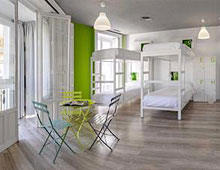 Budget accommodations
  Apartments
  Family Hotel
 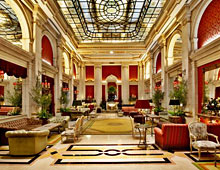 Luxury Hotel