Belgium Entry Requirements: Visas, Passports & Documents You Need
From ID cards to Schengen visas, everything you need to know about the documents required to enter Belgium and travel without hassle.
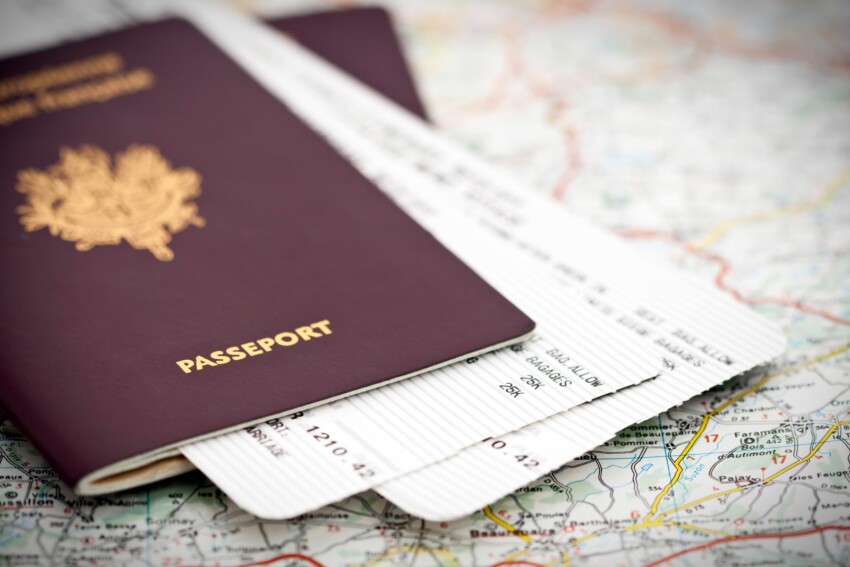
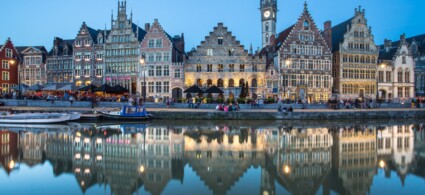
Planning a trip to Belgium means preparing to explore a country that surprises with its variety: Flemish art, medieval historic centres and an enviable gastronomic tradition are concentrated in a small territory yet capable of delivering memorable experiences. Getting some practical information before you travel will help you enjoy your stay without worry.
The first thing to consider is the documentation required to enter Belgium: citizens of the UK and other EU countries can travel with a valid national ID card for overseas travel, with no need for a passport or visa. On the currency front, there are no complications: Belgium uses the euro, just like most of Europe.
The climate is oceanic and fairly unpredictable throughout the year: summers remain cool, with temperatures rarely reaching 25°C, whilst winters are grey and rainy. To enjoy Belgium with favourable weather, the ideal months are May, June and September, when the days are pleasant and the cities are less crowded than during the peak summer season.
Getting around Belgium is straightforward thanks to frequent, reliable trains connecting the main cities in short journey times: from Brussels you can reach Bruges in about an hour, Ghent in half an hour and Antwerp in forty minutes. For those wanting to explore Wallonia at a slower pace, reaching villages like Durbuy or Dinant and following the Trappist abbey route, car hire remains the most practical choice.
It would be a real shame to leave Belgium without exploring its cuisine: moules-frites, stoemp, freshly baked waffles and speculoos are just some of the specialities to try. Belgian chocolate is considered among the finest in the world, and purchasing it from local artisan chocolatiers is an experience in itself. Don’t forget to accompany it all with a craft beer: Belgium boasts hundreds of varieties, many of which have been produced for centuries in Trappist monasteries.
As Belgium is an EU member state, you can use your European Health Insurance Card to access basic medical care on the same terms as Belgian citizens. For more comprehensive protection, it’s advisable to take out travel insurance that covers unexpected events such as lost luggage, cancellations or treatments not reimbursed by your health card. As for connectivity, you can rest assured: within the EU, roaming is free and you can use data and calls exactly as you would at home.














 Hotel
Hotel  Budget accommodations
  Apartments
  Family Hotel
  Luxury Hotel