Bestseller
Choco-Story Brussels: Chocolate Museum Entrance with Tasting
From 16,00 €
Buy the ticket
Belgian chocolate is far more than a sweet treat: it represents an integral part of the country’s cultural identity, a world-renowned excellence rooted in deep history and refined production techniques honed over centuries. Belgium produces over 220,000 tonnes of chocolate annually and is home to more than 2,000 master chocolatiers—a concentration of cacao craftsmen unmatched anywhere in the world. Walking through the streets of Brussels or Bruges means encountering shop windows brimming with glossy pralines and flavoured bars at every corner.
What sets Belgian chocolate apart is not only the quality of raw materials but also a production philosophy that prioritises artisanal craftsmanship, pure cocoa butter and recipes passed down through generations of master chocolatiers. Taking home a box or two is almost obligatory for visitors: discover where to buy it, how to spot the authentic product and what experiences will help you truly appreciate it.
The story of Belgian chocolate begins in the 17th century, when Belgium was under Spanish rule and the first cocoa beans arrived in Europe from American colonies. However, it was in the 19th century that Belgian chocolate-making tradition took on the form we know today. In 1857, chocolatier Jean Neuhaus opened a pharmacy in Brussels where he sold medicines coated in chocolate to make them less bitter: from that clever idea was born the Belgian praline as we understand it today—a chocolate shell filled with soft centres.
It was Jean Neuhaus II, the founder’s grandson, who invented the ballotin in 1912—the distinctive rigid box still used today to package pralines. What may seem a simple innovation revolutionised the way artisanal chocolate was gifted and transported. Brussels rapidly became the world capital of the praline, and Belgium’s great chocolate houses conquered European courts.
The fundamental difference between Belgian chocolate and that of other countries lies in the exclusive use of pure cocoa butter. A Belgian law, predecessor to European chocolate regulations, traditionally prohibits the use of substitute vegetable fats, guaranteeing a more melting texture and richer aroma. The finest Belgian chocolatiers work with cocoa beans selected from specific plantations, often with origin designation (single origin), and perfect their recipes with fillings based on fresh cream, ganache, liqueurs, nuts and spices.
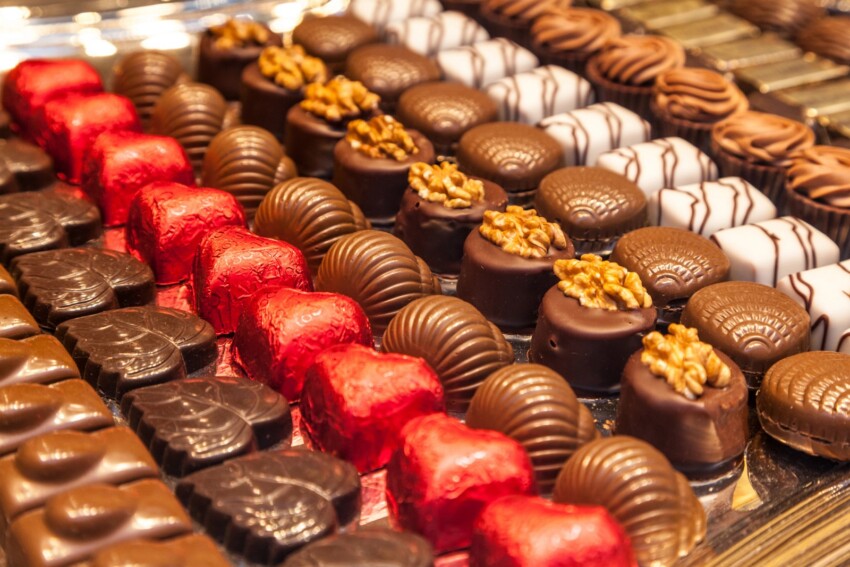
The praline remains the most iconic format: each house has its own historical recipes, often secret, and competition among craftsmen is fierce. Alongside classic pralines, Belgian chocolate comes in the form of tablets, truffles, mendiants and chocolates of every shape, many hand-decorated with highly precise artistic techniques.
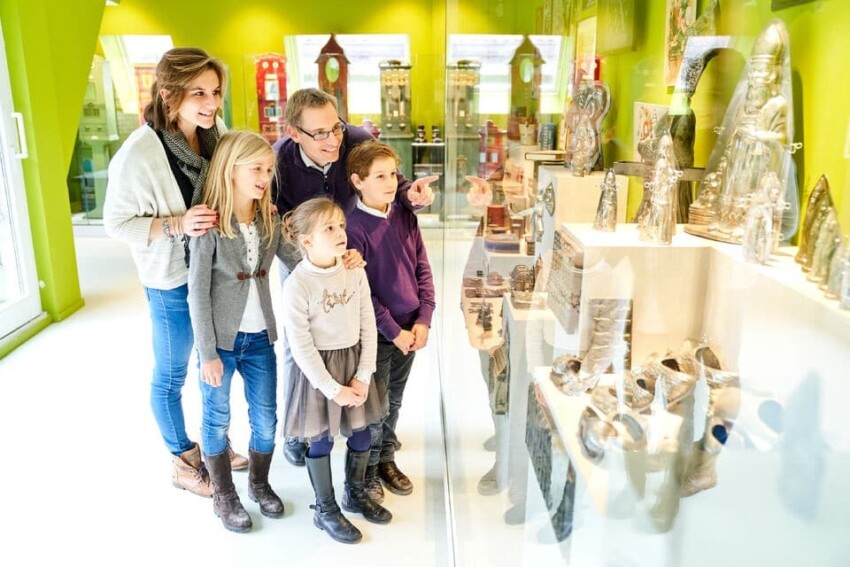
To explore the history and production techniques in depth, Choco-Story in Brussels is the ideal stop. The museum traces five thousand years of cocoa history, from pre-Columbian civilisations that first cultivated Theobroma cacao through to contemporary Belgian artisanal manufacturing. The route concludes with a live demonstration of praline preparation and a tasting included in your ticket price. The visit takes around an hour and is suitable for all ages.
A similar museum branch exists in Bruges, with a slightly different but equally comprehensive exhibition route: a worthwhile alternative for those visiting the Flemish city who wish to combine culture with taste.
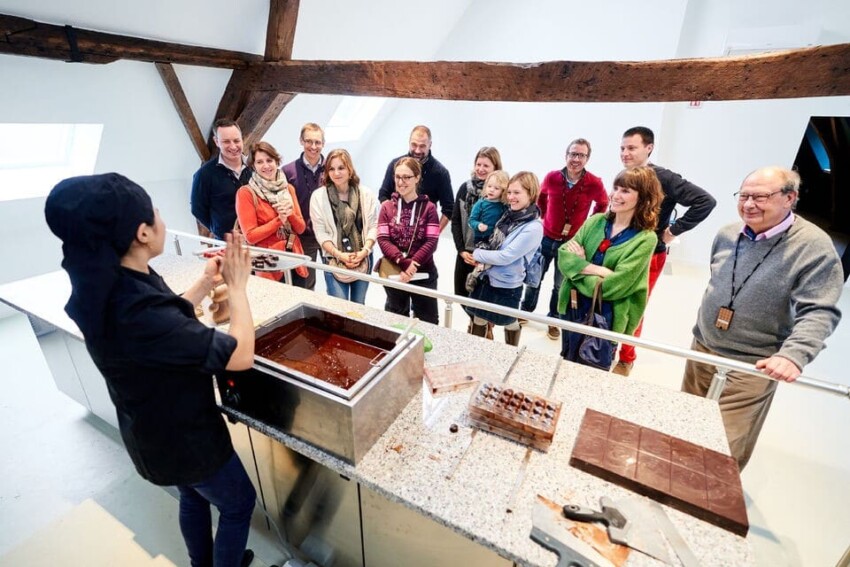
Many artisanal chocolateries in Brussels and Bruges offer praline-making workshops open to tourists, lasting two or three hours, during which you can learn to temper chocolate, fill shells and decorate pralines using master craftsmen’s techniques. These are hugely popular experiences, often fully booked weeks in advance during peak season, so booking ahead of your trip is recommended.
Guided chocolate walking tours are also widely available in Brussels: walking routes through historic quarters that visit a curated selection of artisanal chocolateries with guided tastings at each stop. An effective way to navigate the city’s vast chocolate offering and discover hidden workshops you would struggle to find alone.
In Brussels, the highest concentration of artisanal chocolateries is found in the Galerie de la Reine and Galerie du Roi, elegant neoclassical covered arcades that open near the Grand Place. Home to some of the country’s most historic chocolate houses, including Neuhaus, which has maintained its original shop in the same late 19th-century building.
For those seeking something more contemporary and experimental, the Sablon district is the new hub for high-end chocolate in Brussels: a concentration of chocolate boutiques frequented by locals too, where master chocolatiers showcase seasonal creations and offer tastings. The Sablon market, active at weekends, is a good starting point to get your bearings.
A practical rule for identifying quality artisanal chocolate: avoid packaging with touristy graphics sold in souvenir shops near major attractions. Authentic Belgian chocolate is purchased in specialist chocolateries, where products are fresh and correctly stored, often with an expiry date of just a few weeks due to the absence of preservatives.
Taking Belgian chocolate home is almost a ritual for visitors to the country. Assorted praline ballotin boxes are the most classic format and available in every chocolaterie with sizes and prices to suit all budgets. For the more passionate, grand cru tablets made from single origin cacao represent the most sought-after choice: often infused with unusual ingredients such as Guérande salt, matcha tea or chilli pepper, they showcase the contemporary creativity of Belgian master chocolatiers.
A practical tip: artisanal chocolate should be stored at room temperature between 16 and 18 degrees, away from heat sources and strong odours. In summer, it’s best to buy it on the day of departure and carry it in your cabin bag to prevent it spoiling in aircraft cargo holds.
 Hotel
Hotel  Budget accommodations
  Apartments
  Family Hotel
  Luxury Hotel