Brussels: Atomium Entry Ticket with Design Museum Ticket
12.270 reviews
Buy now
From 17,00€ per person
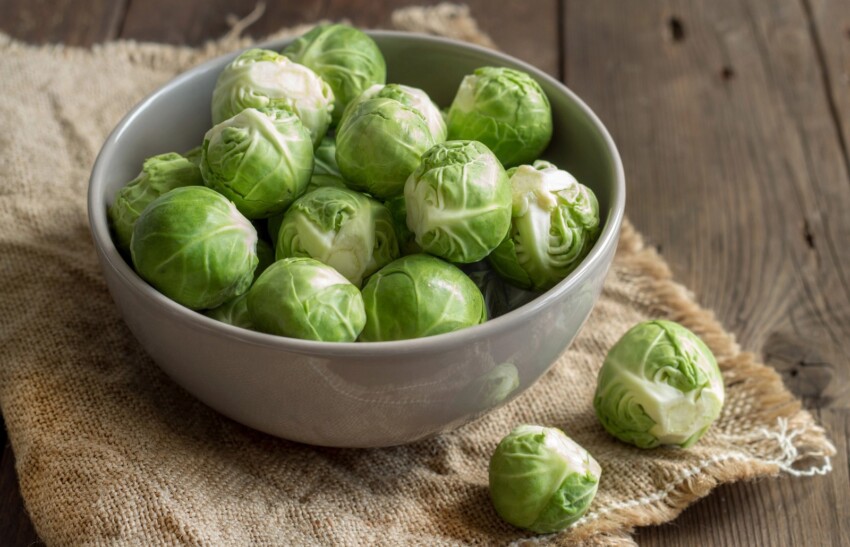
There’s a vegetable that bears the name of a European capital and which, despite its controversial reputation, has managed to conquer tables across the world: Brussels sprouts. Called choux de Bruxelles in French and spruitjes in Dutch, these miniature little cabbages have been cultivated in the countryside surrounding Brussels since at least the 13th century, and the connection with Belgium’s capital is far more than merely nominal: for centuries, the city’s markets have been supplied with sprouts grown in the fertile clay soil of Brabant, the region that surrounds the capital.
Those arriving in Belgium in autumn or winter find them everywhere: in neighbourhood markets, on the menus of traditional brasseries, alongside moules-frites and stoofvlees. For visitors accustomed to seeing them only as frozen products in supermarkets back home, discovering freshly harvested Brussels sprouts — firm, glossy, free from the acrid smell that earned them their bad reputation — is often a revelation. The difference between a fresh, in-season sprout and an old or overly cooked one is the same as that between a freshly picked strawberry and one bought out of season: utterly profound.
The first documented mention of Brussels sprouts dates back to 1213, in a purchasing register of the court of Albert I in Brabant. For centuries they remained a local vegetable, cultivated and consumed almost exclusively in Belgian territory, before expanding throughout Europe in the 18th and 19th centuries thanks to trade routes departing from Antwerp’s port.
Their entry into the Anglo-Saxon world occurred with a certain irony: the British adopted them with enthusiasm in traditional Christmas lunch cuisine, transforming them into an unavoidable presence on festive tables throughout the United Kingdom — where, however, they were historically boiled for extended periods until rendered mushy and foul-smelling, contributing substantially to their poor international reputation. In Belgium, where cooking has always been more respectful of the raw ingredient, they have never stopped being appreciated.
Botanically, the Brussels sprout is a variety of Brassica oleracea, the same species from which cabbage, broccoli, cauliflower and savoy cabbage derive. The small compact heads we harvest are actually axillary buds — flower buds that develop along the plant’s stem, from bottom to top, and are progressively harvested from October until February. A single plant can produce between 40 and 60 sprouts over the course of a season.
A detail that surprises many: Brussels sprouts become sweeter after frost. Low overnight temperatures convert some of the starch into sugars, softening the bitter flavour and imparting a delicate sweetness to the flesh that sprouts harvested before the first frosts lack. In Belgium, those in the know wait precisely for the coldest weeks of autumn to purchase them at markets, aware that the frost has already done its work.
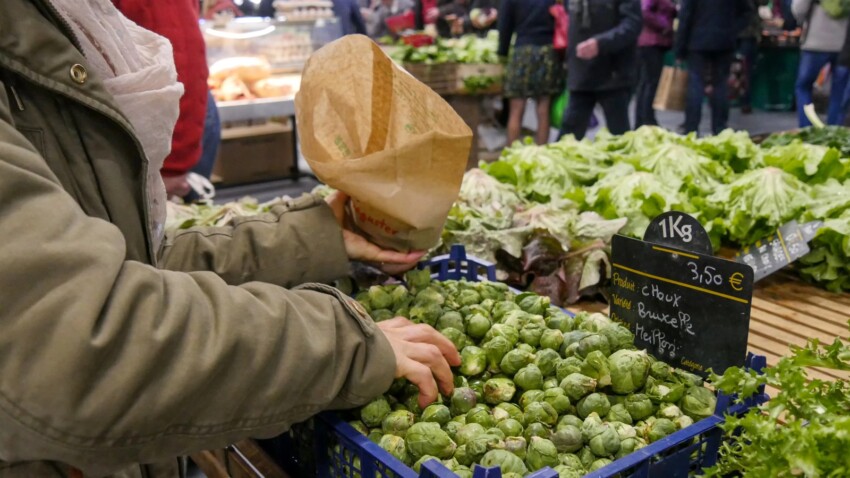
At Belgian markets — and markets across the world — quality is recognisable at a glance. Fresh Brussels sprouts are an intense bright green, firm to the touch like little golf balls, with outer leaves that adhere well and are free from yellow or brown spots. The cut stem must be pale and moist, not oxidised. The smaller and more compact they are, the more tender they’ll be and the less bitter: sprouts with a diameter of less than 3 cm are generally the best for quality and flavour.
Avoid those with yellowing outer leaves, opened up or with an unpleasant smell even before cooking: they’re too old and no culinary technique will save them. In Belgium, during peak season, they’re still sold attached to the long stem of the plant — a spectacular presentation that also guarantees maximum freshness, since sprouts detached from the stem deteriorate much more rapidly.
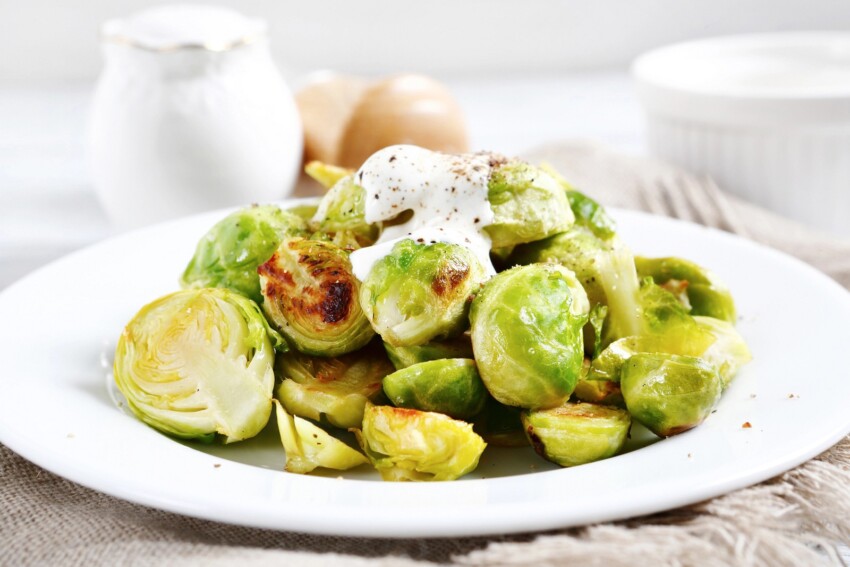
The principal reason Brussels sprouts have a bad reputation is just one: overcooking. When boiled for too long, plant cells rupture and release sulphurous compounds — the same ones present in garlic and onion — which produce that unmistakable acrid smell. The solution is straightforward: cook them as little as possible, preserving texture and colour.
The most versatile method is pan-frying, which caramelises natural sugars and creates a lightly golden surface rich in flavour. Alternatively, oven-roasting at high temperature yields excellent results, rendering them crispy outside and tender inside. Boiling, if you must choose it, should be extremely brief — no more than 4-5 minutes in salted boiling water — and the sprout must remain al dente, not yield to spoon pressure.
A technical tip: cutting a cross on the bottom of Brussels sprouts before boiling helps accelerate cooking of the denser core, preventing the outside from falling apart whilst the centre remains raw. For pan-frying or oven-roasting this isn’t necessary.
This is the most classic preparation in Belgian tradition, served as a side dish alongside roasted meats, sausages or stews. The bacon adds saltiness and a smoky note that balances the bitterness of the sprout; butter, as throughout Belgian cuisine, does the rest.
Ingredients for 4 people: 600 g fresh Brussels sprouts, 100 g smoked bacon cut into cubes, 30 g butter, 1 garlic clove, salt, freshly ground black pepper.
Remove any damaged outer leaves from the sprouts and halve them lengthways — the flat surface facilitates caramelisation in the pan. In a wide pan, melt the butter over medium-high heat and brown the bacon until crispy. Add the sprouts with the cut surface facing down and let them brown without stirring for 4-5 minutes, until the flat face is well caramelised. Add the sliced garlic, stir, lower the heat and continue cooking for another 5-6 minutes, stirring occasionally, until the sprouts are tender but still slightly firm at the centre. Season with salt and pepper and serve immediately.
Mustard is a historic ingredient in Belgian cuisine, and the combination with honey creates a sweet-and-sour glaze that transforms oven-roasted sprouts into a surprisingly indulgent side dish. This recipe also works well as a finger-food starter, served on a cocktail stick.
Ingredients for 4 people: 600 g Brussels sprouts, 2 tablespoons Dijon mustard, 1 tablespoon honey, 3 tablespoons extra virgin olive oil, salt, pepper.
Preheat the oven to 200°C. Halve the sprouts and arrange them on a baking tray lined with baking paper. In a bowl mix the mustard, honey and oil together until you have a smooth glaze, then pour it over the sprouts and mix well to distribute evenly. Arrange them with the cut surface facing downwards and roast for 20-25 minutes, until golden and slightly crispy at the edges. In the final 5 minutes you can activate the grill to intensify caramelisation. Serve hot, optionally with a sprinkle of sea salt.
On cold winter evenings, Brussels sprouts become the star of hearty, comforting soups that have been prepared for generations in Belgian homes. This version is simple and quick, with hard cheese adding depth of flavour.
Ingredients for 4 people: 500 g Brussels sprouts, 1 medium potato, 1 onion, 1 litre vegetable or chicken stock, 50 g grated mature cheese (pecorino, Parmigiano Reggiano or Grana Padano), 20 g butter, salt, pepper, nutmeg.
Sauté the chopped onion in butter over gentle heat for 5 minutes. Add the sprouts halved and potato cut into cubes, stir for a minute, then pour in the hot stock. Bring to the boil, lower the heat and cook for 20 minutes, until the vegetables are soft. Blitz everything with an immersion blender until you achieve a velvety cream. Adjust seasoning with salt, pepper and a grating of nutmeg. Serve with grated cheese and, if you wish, some pan-fried sprouts as a crispy garnish.
In Belgium, the answer to “what do I drink with this?” is almost always the same: beer. Brussels sprouts, with their slightly bitter and earthy flavour, pair well with Belgian wheat beers (witbier) such as Hoegaarden, which with their citric acidity balance the richness of butter and bacon. For more robust preparations — the bacon stew, the gratin — a brown abbey beer such as Chimay Rouge or Leffe Brune stands up better to the dish’s complexity.
Those preferring wine might turn towards an Alsatian Riesling or an Austrian Grüner Veltliner, both with that minerality and acidity that dialogues well with the sulphurous notes of cabbage. Avoid tannic reds, which create a difficult pairing with Brussels sprouts.
For those wishing to explore Belgian cuisine further and discover the country’s other signature dishes — from moules-frites to chocolate — our gastronomic and travel guides on Brussels and the rest of Belgium are the ideal starting point for planning an authentic culinary experience.
 Hotel
Hotel  Budget accommodations
  Apartments
  Family Hotel
  Luxury Hotel