Brussels: Atomium Entry Ticket with Design Museum Ticket
12.270 reviews
Buy now
From 17,00€ per person
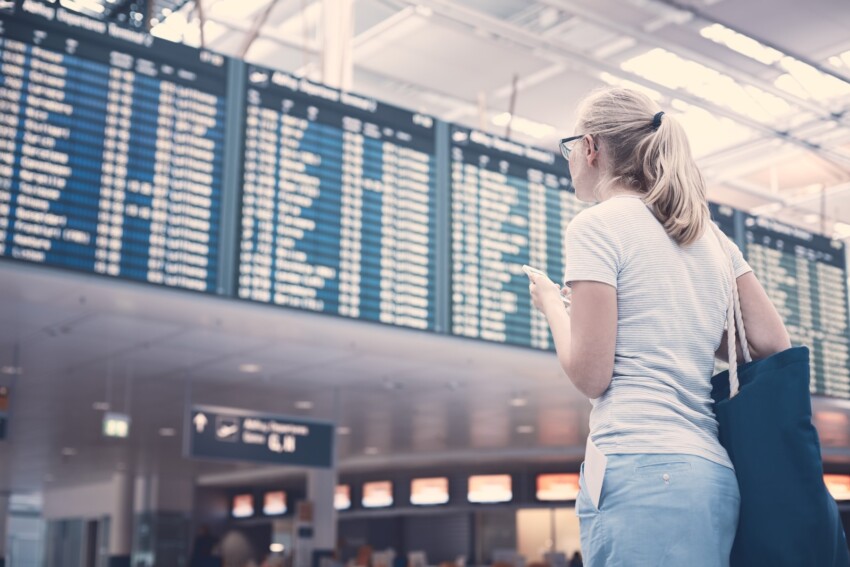
Belgium is one of Europe’s most accessible countries: it sits at the continent’s heart, well connected by air, rail and road to virtually every European capital and major city. For EU citizens, no visa or prior authorisation is required — a valid identity card is sufficient — and the range of transport options available means you can choose the solution best suited to your trip, whether it’s a weekend in Brussels or a multi-week tour across the cities of Flanders and the countryside of Wallonia.
Belgium’s geographical position — straddling the Germanic and Latin worlds, facing the North Sea — makes it a natural crossroads of air, rail and motorway routes. Brussels is less than two hours by high-speed train from Paris, London and Amsterdam, and less than three hours from Cologne and London. For those arriving from Italy or the Iberian Peninsula, flying remains the quickest option, but train travel is a practical alternative for those departing from northern France or the Benelux countries.
The Brussels International Airport — also known as Zaventem Airport after the municipality in which it is located — is the country’s main hub and one of Northern Europe’s busiest airports, with direct flights to over 200 destinations worldwide. For European travellers, it is connected to most continental capitals by flights operated by Brussels Airlines, Ryanair, easyJet, Vueling and numerous other carriers.
The Charleroi Airport, officially known as Brussels South Charleroi Airport, is located approximately 60 km south of Brussels and is used primarily by budget carriers, led by Ryanair, which has made it one of its most active European hubs. Fares are often highly competitive compared to the main airport, but you should factor in the time and cost of transfers to Brussels or other Belgian destinations.
For those travelling to Flanders or towards Antwerp, Amsterdam Schiphol Airport is a practical alternative, particularly for those unable to find convenient direct flights to Belgian airports. From Schiphol, the Intercity train reaches Antwerp in about 80 minutes and Brussels in just over two hours. Similarly, Paris Charles de Gaulle Airport is well connected to Brussels via Thalys in approximately 85 minutes, and may be preferable when airfares to Paris are cheaper than those to Belgium.
Train travel is arguably the most convenient and sustainable way to reach Belgium from western Europe. Brussels is served by three main stations — Brussels-South, Brussels-Central and Brussels-North — with Brussels-South handling virtually all high-speed international connections.
The Thalys — now operating under the Eurostar brand following the 2023 merger — connects Brussels with Paris in approximately 1h22, with departures almost every hour during the day. It is one of Europe’s most frequently travelled rail links and allows you to travel from the heart of Paris directly to Brussels city centre, avoiding airport delays. From Paris, the same Eurostar service continues to London St. Pancras via the Channel Tunnel, with a total Brussels-London journey time of approximately 2 hours.
The connection to Amsterdam is provided by Eurostar in approximately 1h50, while for Cologne and German cities, ICE trains operated by Deutsche Bahn connect Brussels-South with Cologne Central Station in around 1h50, with onward connections to Frankfurt, Berlin and the rest of the German rail network. For those travelling from Italy by train, the most practical option is to reach Paris by Frecciarossa or TGV and continue to Brussels via Eurostar.
Belgium is easily reached by car from across western Europe thanks to an excellent motorway network that connects seamlessly with those of France, the Netherlands, Germany and Luxembourg. Belgian motorways are toll-free — there are no road charges — making driving particularly cost-effective for those travelling from northern France or neighbouring countries.
From northern Italy, the most direct route passes through the Mont Blanc or Fréjus Tunnel, then across France to Brussels, following mainly the A1/E17 motorway. The distance from Milan is approximately 900 km, with a driving time of 8-9 hours without stops. From Rome the distance increases to around 1,400 km, making driving cost-effective only if you plan intermediate stops or prefer the flexibility of a car to visit multiple destinations along the way.
For those arriving from northern France or the Netherlands, journey times are significantly shorter: from Lille the Belgian border is just a few kilometres away, whilst from Amsterdam Brussels is about 200 km, reachable in less than two hours in normal traffic conditions.
Coach travel is the most economical option for reaching Belgium, particularly popular with budget-conscious travellers and those departing from cities without direct flights. FlixBus connects Brussels with dozens of European cities, including Milan, Turin, Paris, Amsterdam, Cologne and many others, with fares often highly competitive compared to train and air travel. Journey times are naturally longer — from Milan the journey takes approximately 12-14 hours — but for those in no hurry and keen to save money, it remains a valid choice.
International coaches generally arrive at Brussels-North station or the South station terminal, both well connected to the rest of the city by metro, tram and bus. Eurolines, the historic international coach operator, also serves numerous routes to Belgium from various European cities.
Once in Belgium, the SNCB domestic rail network connects all major cities with high frequencies and very short journey times: from Brussels, Bruges is reachable in approximately 55 minutes, Ghent in 30 minutes and Antwerp in 40 minutes. Urban public transport — metro, tram and bus — works well in the main cities, whilst to explore the rural areas of Wallonia and the Ardennes, car hire remains the most flexible and recommended solution.
 Hotel
Hotel 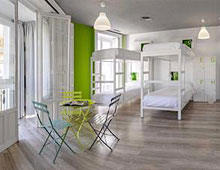 Budget accommodations
  Apartments
  Family Hotel
 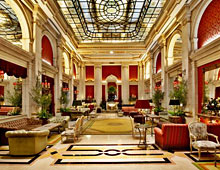 Luxury Hotel