Brussels: Atomium Entry Ticket with Design Museum Ticket
11.421 reviews
Buy now
From 17,00€ per person
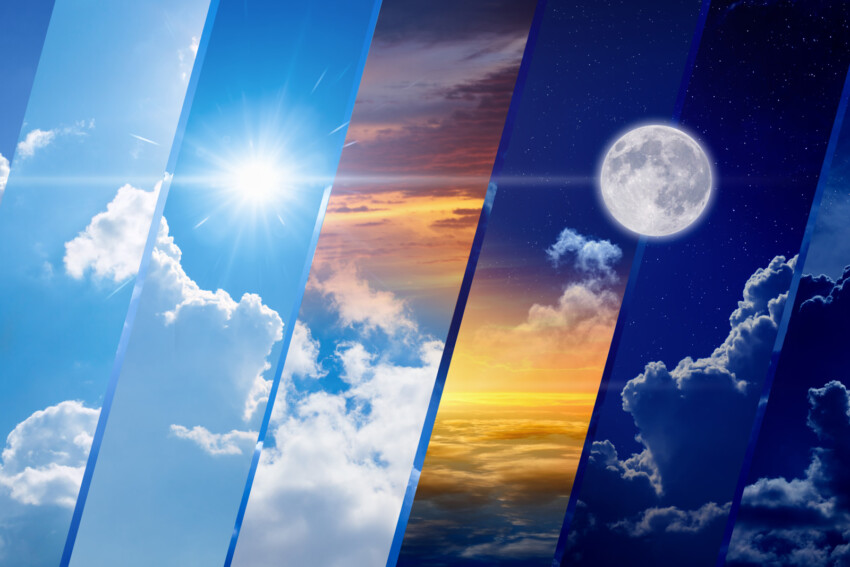
Belgium’s climate is temperate oceanic, influenced by its proximity to the North Sea and the Gulf Stream, which moderates temperatures across northwestern Europe. This means mild but grey winters, cool and fairly short summers, and rainfall distributed fairly evenly throughout the year. Those heading to Belgium expecting constant sunshine will be disappointed; however, those who appreciate cities in the rain, warm brasseries and the dramatic Flemish skies will find a country that is beautiful in every season.
Climatic differences between the country’s three regions are modest but noticeable. The Flanders coast and central plains around Brussels enjoy a more temperate and breezy climate; southern Wallonia and the Ardennes, further inland and at higher altitude, experience harsher winters, more frequent snowfall and slightly cooler summers.
There’s no single answer: it depends on what you’re looking for. May and September are the most balanced months, with pleasant temperatures, fewer tourists than summer and a good chance of sunny days. June and July offer the longest days and most outdoor events, but are also the most expensive and crowded. December is unmissable for those who love a Northern European Christmas. January and February are the least appealing from a weather perspective, but offer very low prices and cities almost free of tourists.
In any case, whatever time you choose, it’s always sensible to pack a raincoat: in Belgium, rain can arrive in any month of the year, often without warning.
Spring is one of the most pleasant seasons to visit Belgium. Temperatures gradually rise from an average of 7–8°C in March to 15–17°C in May, days lengthen rapidly and cities come alive with outdoor markets, terraces and cultural events. Precipitation remains frequent, particularly in April, but generally consists of short showers interspersed with sunny spells.
This is an ideal time to visit Bruges and Ghent before the summer tourist rush, or to explore the Ardennes when vegetation comes back to life after winter. Brussels parks, such as Cinquantenaire Park and Bois de la Cambre, are carpeted with flowers and become favourite walking spots for locals.
Belgian summer is temperate: temperatures typically range between 18 and 23°C, with peaks exceeding 30°C during heat waves, which have become increasingly frequent in recent years. The sky is often changeable, alternating between sun and cloud, and afternoon thunderstorms are common, especially in July. It’s not uncommon for an entire week in July or August to be grey and cool — which can come as a surprise to those arriving from Mediterranean countries.
Despite weather unpredictability, summer remains the busiest season for tourism. Events and festivals multiply, the National Day on 21 July fills squares across the country and coastal Flemish towns such as Ostend reach peak visitor numbers. Those planning a trip in this period are advised to book accommodation and transport well in advance.
For many seasoned travellers, autumn is the best season to visit Belgium. In September, temperatures are still pleasant (15–18°C), museum queues drop sharply, accommodation prices fall and the slanting late-afternoon light transforms medieval town centres into almost picturesque scenes. October brings the first cold snaps and the coloured foliage of the Ardennes, which becomes very popular with trekking and nature enthusiasts.
November is the greyest and wettest month: temperatures drop to around 6–8°C, days shorten noticeably and the atmosphere becomes that of cosy, intimate Northern European cities in deep autumn, with lit windows of chocolate shops and the aroma of warm waffles in street corners.
Belgian winter is mild compared to what you might expect from a Northern European country: temperatures rarely drop below zero in towns, typically ranging between 2 and 6°C. Snow is possible but not guaranteed on the plains; in the Ardennes, however, snowfall is more frequent and makes the region a popular winter tourism destination, with resorts such as Spa and villages around Bastogne bustling with hikers.
December is the loveliest month for those who love Christmas markets: Brussels, Bruges, Ghent and Leuven host some of Europe’s finest, complete with festive lights, mulled wine stalls, speculoos biscuits and hot chocolate that transform historic centres into postcard-perfect scenes. Days are short — the sun sets by 4.30 pm — but the wintry atmosphere of Belgian towns has its own charm.
Below are current weather conditions for Belgium’s main destinations, with forecasts for the coming days.
Belgium receives an average of 800–850 mm of annual rainfall in flat areas, rising to as much as 1,100 mm in the Ardennes. Precipitation is distributed relatively evenly, without a defined dry season: each month records an average of 12–15 rainy days. However, these are rarely intense and prolonged downpours like tropical rainfall: more often they are light intermittent drizzle or brief showers alternating with sunny spells.
Brussels, with around 820 mm annually, is slightly wetter than Milan but less so than London — a fact that surprises those who associate Northern European climate with extreme rainfall. The real difference compared to Southern European cities is not the amount of rain but the frequency of cloudy days: overcast skies are the norm for much of the year, which affects the pleasantness of your stay more psychologically than practically.
 Hotel
Hotel  Budget accommodations
  Apartments
  Family Hotel
  Luxury Hotel