Bedford Hotel Brussels
Brussels - Rue du Midi 135
Book now
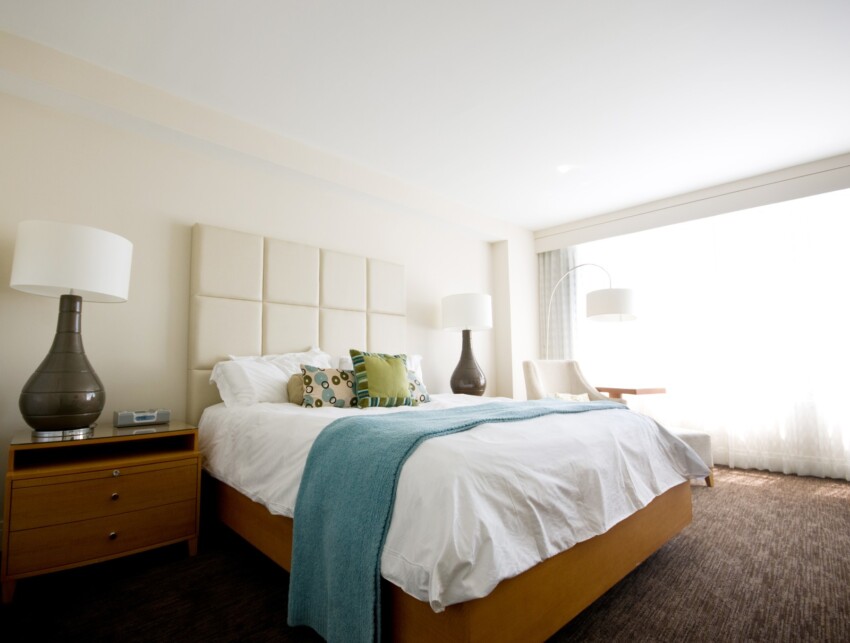
Choosing where to stay in Belgium is the first step towards planning a successful trip: the country is small — you can travel from north to south by train in just over two hours — yet the range of accommodation is surprisingly diverse, with options spanning design hotels in the heart of Brussels to bed and breakfasts in the medieval villages of Flanders, mountain lodges in the Ardennes forests to charming villas in the Walloon countryside. Whatever your travel style and budget, Belgium has suitable accommodation.
Your choice of base has a profound impact on your travel experience. Those focusing on art cities will prefer a hotel in the historic centre of Bruges or Ghent, within walking distance of the main attractions. If you intend to explore multiple regions independently, you’ll find it convenient to hire a car rental and choose properties outside the centre, often more affordable and with parking included. In any case, booking in advance — particularly during the summer months and major events — is always the wisest choice.
The historic centre around the Grand-Place is the most convenient choice for those wanting to explore the main monuments on foot: boutique hotels and short-term rental apartments cluster in the streets of the Pentagon, at some of the city’s highest prices. The Ixelles and Saint-Gilles neighbourhoods to the south offer a more authentic atmosphere with independent hotels and B&Bs in Art Nouveau buildings, excellently connected to the centre by tram and metro.
For those seeking luxury or travelling on business, the Sablon and Louise neighbourhood concentrates major international hotels just steps from the principal museums. Those arriving by air will find convenient options near Brussels Airport, with business hotels connected to the terminal by frequent shuttle services.
Staying in the historic centre — the area enclosed by medieval canals — means waking before the tour coaches arrive and experiencing the city in its most beautiful light. B&Bs and small hotels in historic buildings are the most appreciated option, often run by families with an attention to detail rarely found in international chains. Those seeking more modest rates can look towards the semi-central zones beyond the canals, easily reached on foot or by bicycle, where some design hotels occupy converted industrial buildings or restored convents.
The neighbourhood around Graslei and Korenlei — the two medieval wharves on the Leie — is the heart of the historic centre’s accommodation offering, with properties ranging from youth hostels to design boutique hotels. For a more peaceful stay at accessible prices, residential neighbourhoods such as Sint-Amandsberg offer B&Bs and apartments well-connected to the centre by tram. Worth noting is also a vibrant eco-hotel scene, consistent with the city’s sustainable vocation and established reputation as a European reference point for vegetarian cuisine and green living.
Antwerp is Flanders’ most cosmopolitan city, with accommodation reflecting its international vocation as the world capital of diamonds and centre of Belgian fashion. The historic port district and Meir neighbourhood — the principal shopping street — concentrates mid-range to upscale hotels, well positioned for reaching the historic centre, cathedral and principal museums on foot.
The Zuid (South) neighbourhood, with its art galleries, trend-setting restaurants and late-night bars, is the preferred choice for travellers seeking a more contemporary urban experience. Here you’ll find several boutique hotels and design apartments in converted buildings that reflect the creative and cosmopolitan identity of this part of the city. For those arriving from the port or central station, the wide availability of hotels in the immediate vicinity of Antwerpen-Centraal — the spectacular neo-Gothic-Baroque station considered among Europe’s finest — offers convenient solutions well served by public transport.
Wallonia offers a radically different accommodation experience compared to Flemish cities: here the watchwords are nature and authenticity. In the Ardennes, gîtes — rural holiday homes characteristic of Walloon tradition — are the most characteristic option: these are often restored farmhouses or stone cottages, equipped with every comfort and set within green surroundings, ideal for families or groups of friends seeking a peaceful base for outdoor activities and hiking.
Villages such as Durbuy — reputed to be the world’s smallest city — and Bouillon, with its imposing medieval castle, boast a surprising number of quality hotels and B&Bs relative to their size, frequented mainly by Belgians and Dutch seeking a nature-filled weekend. For those who love slow, authentic tourism, staying in one of these small Walloon villages is an experience you’ll not soon forget.
Liège, Wallonia’s principal city, offers instead a wide choice of hotels in the urban centre, with rates generally lower than Brussels and Flemish cities, and a strategic position for those arriving by train from continental Europe thanks to Thalys and Intercity connections with major European cities.
Hotels cover all price ranges, from international chains in major cities to characterful independent hotels in historic centres. Belgium has an established tradition of quality hospitality, with properties often occupying carefully restored historic buildings that preserve the original architecture.
Bed and breakfasts are particularly widespread in Flemish art cities and rural Walloon areas. Run directly by their owners, they often offer generous breakfasts with local produce — cheeses, charcuterie, artisan bread, waffles — and the chance to receive first-hand advice on restaurants and attractions beyond the tourist circuit.
Short-term rental apartments are an increasingly popular option, especially for stays of three to four days or longer, or for families with children who prefer having their own kitchen. Brussels, Bruges and Ghent have extensive offerings on platforms such as Airbnb and Booking.com, with apartments in historic buildings or design properties often at prices competitive with hotels in the same area.
Those travelling on a tight budget will find a network of hostels of good quality in the major cities, many housed in buildings of significant architectural interest — a former convent in Bruges, an Art Nouveau palace in Brussels — transforming budget accommodation into a memorable experience nonetheless.
Belgium is a frequently visited destination year-round, with peak demand during the Christmas markets (November-December), National Day on 21 July and major trade fairs in Brussels and Antwerp. During these periods, booking at least two to three months in advance is essential to find the best options at reasonable prices.
Most Belgian properties apply flexible cancellation policies on standard rates, with full refunds up to 24-48 hours before arrival. Non-refundable rates offer significant discounts — often 20-30% off the flexible rate — and are worthwhile when your trip is certain. In any case, combining them with a travel cancellation policy is the wisest choice for peace of mind.
Use the form below to check room availability and prices in real time.
 Hotel
Hotel  Budget accommodations
  Apartments
 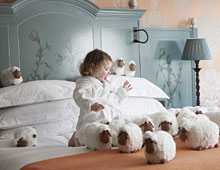 Family Hotel
 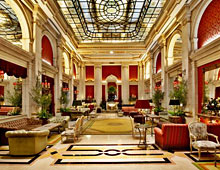 Luxury Hotel