Ibis Styles Charleroi Airport Aero 44
Charleroi - Rue Louis Blériot, 4
Book now
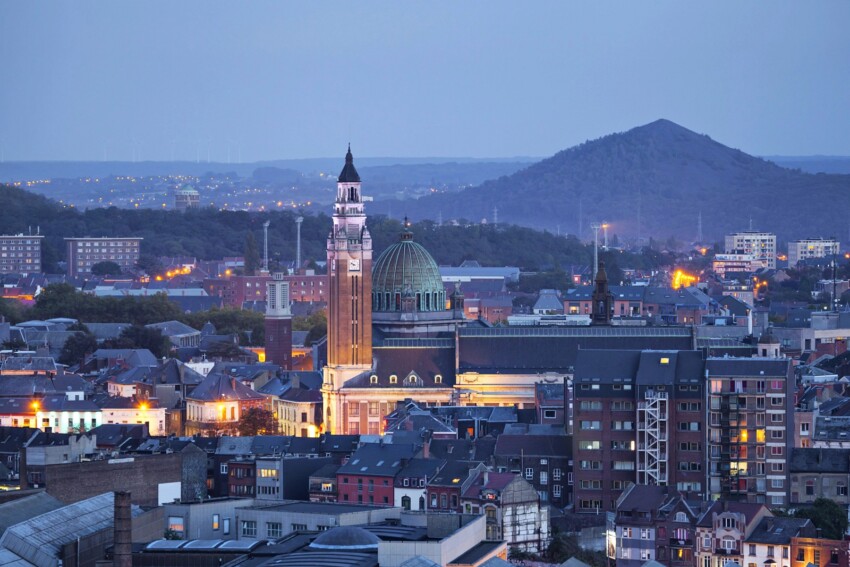
Charleroi is for many just the name of an airport – namely the budget carrier gateway to Brussels, situated some 60 km away. The city where the airport stands was once a significant mining and industrial centre, but the closure of mines and factories during the 1960s and 1970s dealt it a serious blow.
Those dark years now seem distant, thanks to the momentum brought by the airport and an important urban revitalisation programme that has introduced new pedestrian streets and opened art galleries, boutiques and quality restaurants.
A few kilometres from the city centre stands a museum of particular significance that commemorates the Marcinelle disaster, in which over 100 lives were lost. A moving visit, almost essential, and reason enough in itself to add Charleroi to your list of places to see in Belgium.
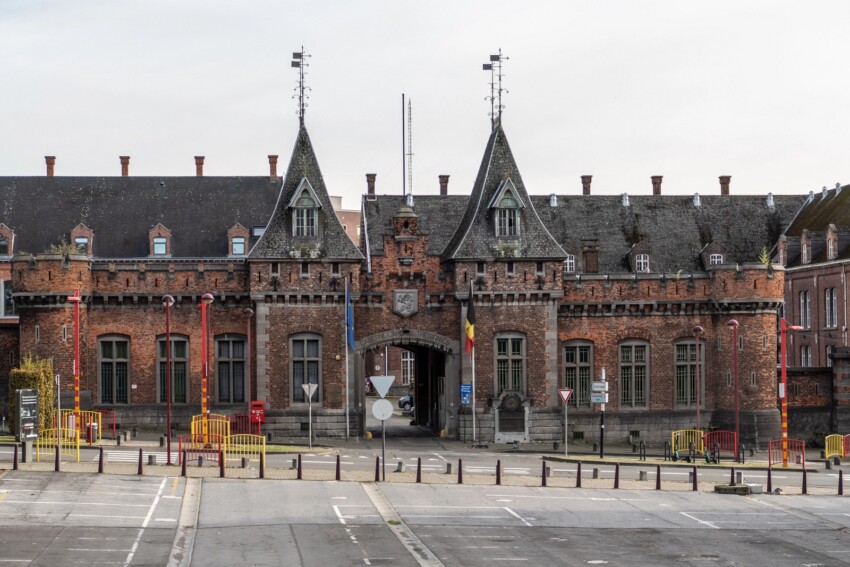
For a city long overlooked by tourists, Charleroi is surprisingly rich in things to see and do.
An unmissable attraction just a few kilometres from Charleroi is the Bois du Cazier Museum, a former coal mine transformed into a museum of remembrance.
Its name is inextricably linked to the mining disaster of 8 August 1956 in which 262 miners lost their lives in an underground fire whilst at work: 136 of them were Italian nationals. Known as the Marcinelle disaster, this tragedy represents one of the most painful episodes in the history of Italian emigration.
The museum has been designated a UNESCO World Heritage Site and traces the history of industrial development and production in Belgium.
A section entitled 8 August 1956 Space is entirely dedicated to the Marcinelle disaster and retraces the tragic events of that day through historical documents, photographs and detailed reconstructions – this is undoubtedly the most poignant part of the guided tour.
The other two permanent exhibitions are the Industry Museum, devoted to the Industrial Revolution in Belgium, and the Glass Museum, which charts the history of the glass industry from its origins to the present day.
Charleroi’s most original attraction is Airspace Indoor Skydiving, a freefall simulator that offers the thrill of a parachute jump even to those afraid of heights or nervous of flying.
Jumps take place inside a 4.5-metre-diameter tunnel standing 17 metres high, with a 5-metre antechamber that simulates an aircraft: the “skydiver” jumps into the tunnel and remains suspended in mid-air thanks to a powerful jet of air. The sensation is identical to jumping from 4,000 metres, but without the risk.
Indoor Skydiving is open to everyone, from complete beginners to experienced skydivers, and children included (from age 4 onwards).
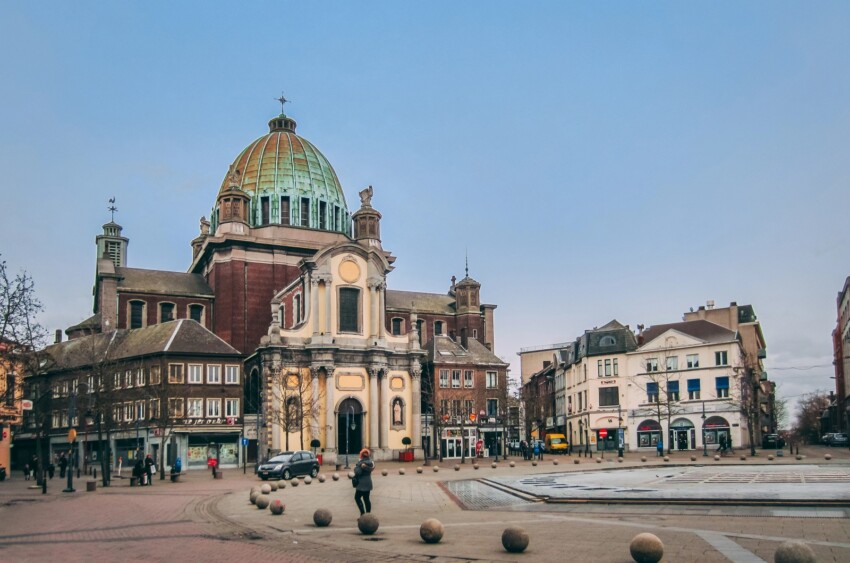
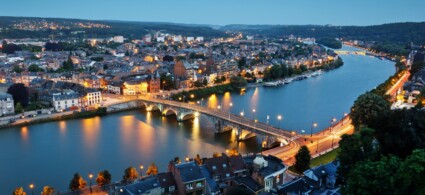
Charleroi bears the marks of its industrial past, evident from a stroll along its canals. This doesn’t mean the city centre lacks fine buildings or interesting monuments.
One of Charleroi’s most elegant buildings is undoubtedly the Hôtel de Ville (town hall), an imposing neoclassical and art deco palace that makes a striking photograph both day and night (though it’s even more impressive when illuminated!).
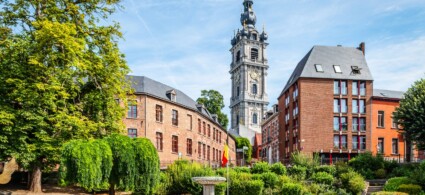
Charleroi can also boast a monument recognised as a UNESCO World Heritage Site: the town hall tower, which echoes the classical and art deco blend of the rest of the building.
Designed by Joseph André in 1936, it’s a handsome brick tower with blue and white stone detailing, but it’s famous less for its architecture than for its 47 bells that chime “Land of Charleroi – It is you I Love Best” every hour, a folk song by Jacques Bertrand. You can visit the interior and climb to the top for a lovely panoramic view of the city.
Another city tower is the Gosselies tower in brick, all that remains of Bousies Castle.
Charleroi’s finest religious building is the Church of Saint Christopher, an impressive baroque structure with an enormous cupola overlooking the city’s main square.
The most curious church is the one known as the Belgian Parthenon, a church designed to replicate the famous Parthenon in Athens. The enormous Doric columns are certainly impressive, though the similarities don’t extend much further.
Much of Charleroi’s accommodation is geared towards business travellers and those stopping over between flights, so there’s a good selection of hotels from international chains with full facilities and simple but comfortable budget hotels. It’s rather more difficult to find characterful boutique hotels or distinctive bed-and-breakfasts.
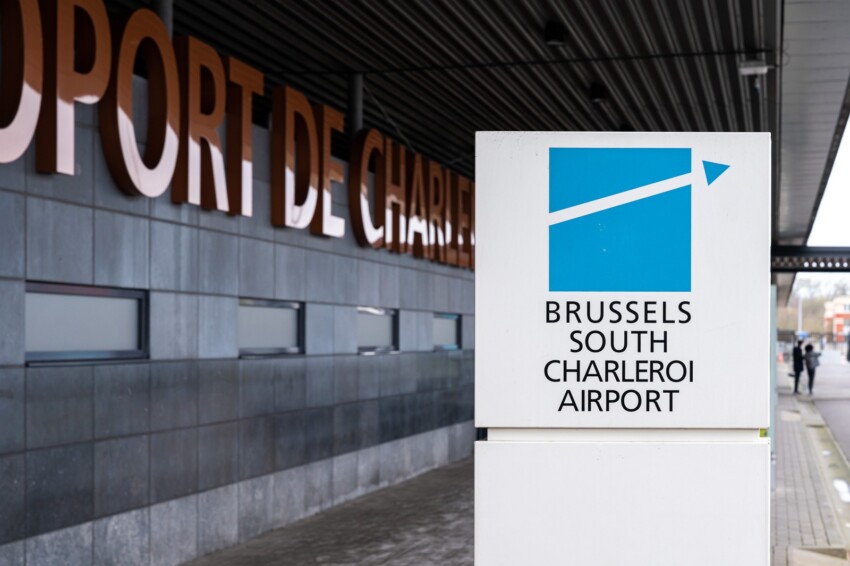
Getting to Charleroi couldn’t be easier: it’s one of Europe’s most well-served cities for budget flights, with many departing from across the continent. The airport is connected to the city centre by a direct bus service.
The main railway station is Charleroi-Sud: from here, frequent trains depart for Brussels and other national and regional destinations.
What's the weather at Charleroi? Below are the temperatures and the weather forecast at Charleroi for the next few days.
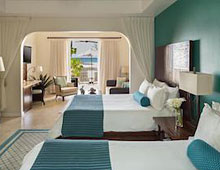 Hotel
Hotel 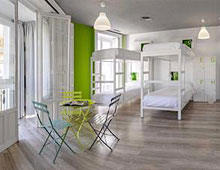 Budget accommodations
  Apartments
  Family Hotel
 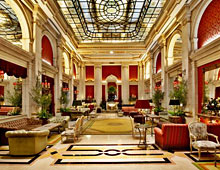 Luxury Hotel