Amosa Liège City Centre Hotel
Liège - Rue Saint-Denis, 6
Book now
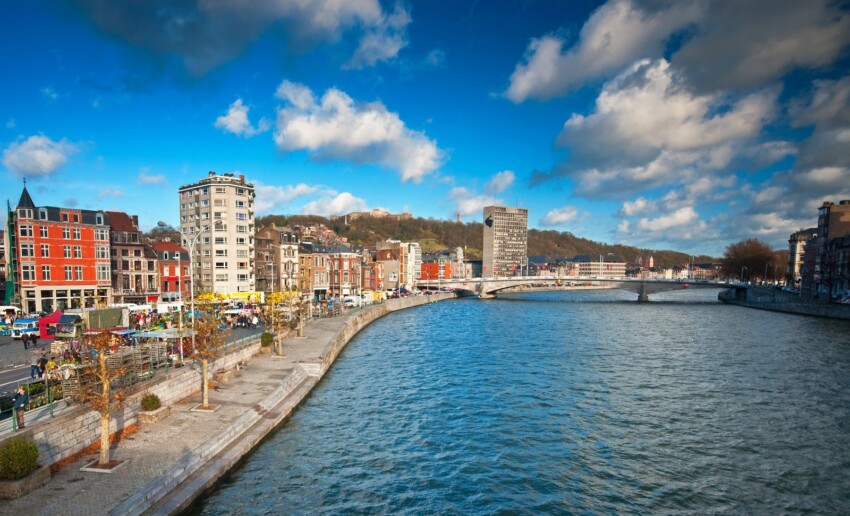
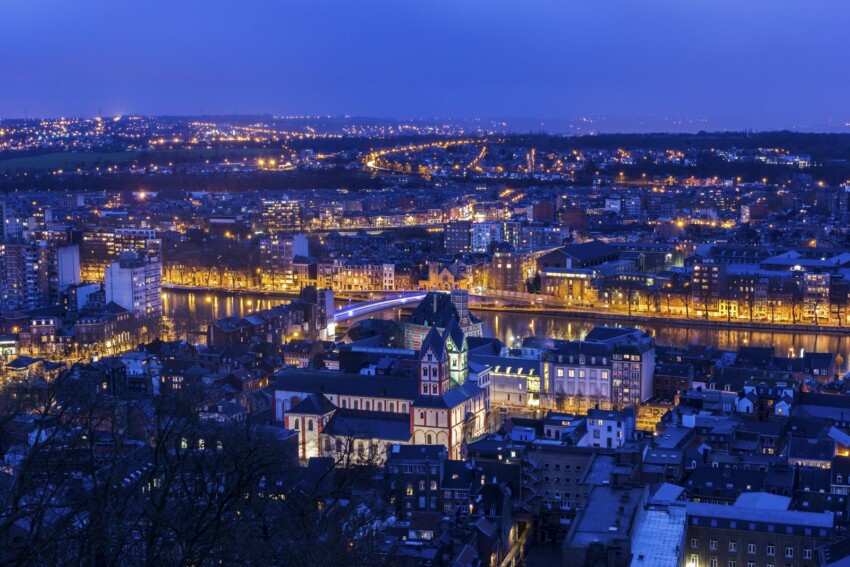
Although one of Belgium’s most important cities, Liège doesn’t captivate at first glance: it rewards a slower approach.
Your initial impression may be of a reserved city with a measured pace, but if you avoid a fleeting visit and linger a little longer, you’ll discover a lively and joyful destination. Its friendly locals love to have fun and eat well, and numerous events throughout the year enliven the city’s streets and squares.
A city with various nicknames (the Ardent City, the City of a Hundred Steeples, beloved by writer Georges Simenon, who set many of his novels here, this cheerful town nestled along the Meuse River is perfect for history and art enthusiasts, food lovers, urban walkers and market aficionados.
Don’t leave without tasting Peket, a traditional spirit made from juniper berries.
There’s so much to see in Liège that you could easily spend an entire week here. For those with less time who want to experience the city’s highlights over a weekend or day trip, here are the top attractions in Liège.
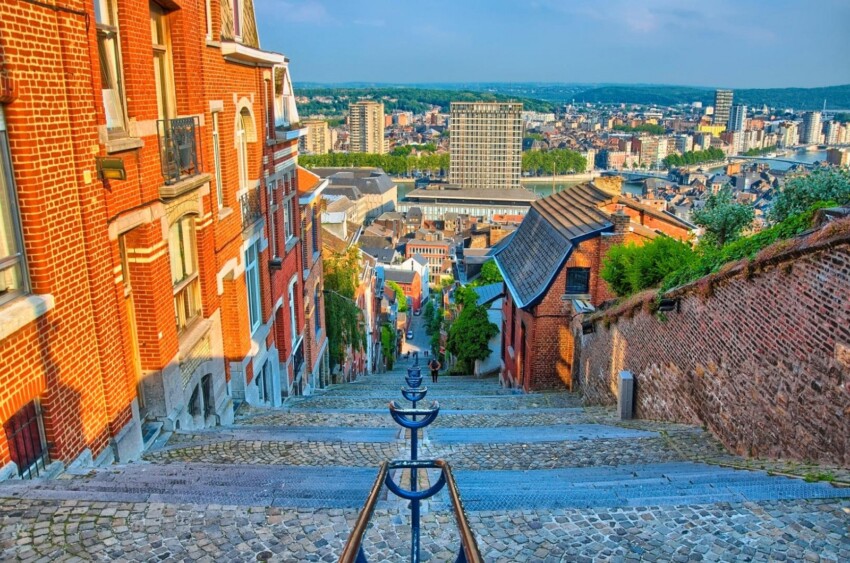
In Liège, you’ll find yourself climbing steps so steep they feel like scaling a mountain: the 19th-century staircase Montagne de Bueren is simultaneously one of Liège’s wonders and challenges. You can make the ascent more enjoyable by pausing occasionally to explore the nearby alleyways and discover hidden treasures. Once at the top, you’ll be rewarded with a splendid panoramic view of the city.
A good vantage point for a rest, catching your breath and admiring the sprawling rooftops, is the municipal park Terraces des Minimes, accessed via a narrow staircase running alongside Montagne de Bueren.
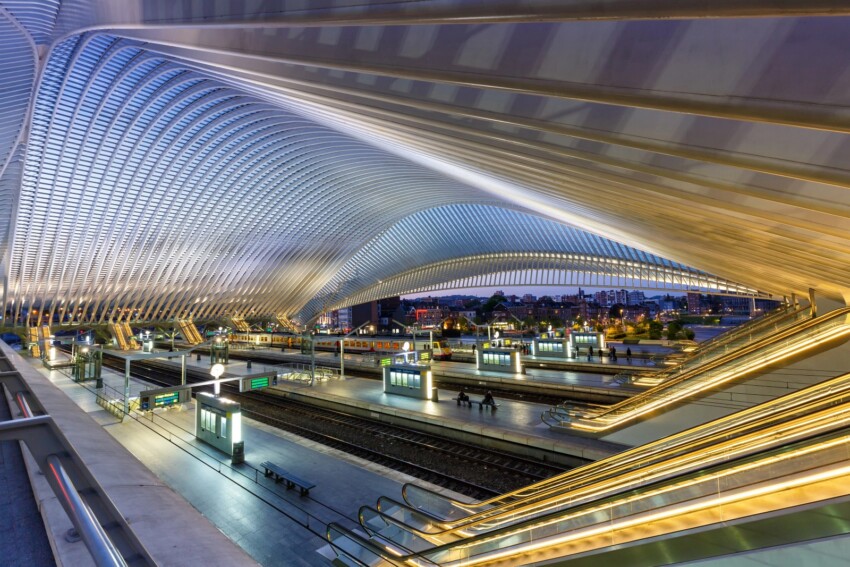
In many cities, the train station is somewhere to avoid, especially in the evening. In Liège, however, it’s a source of civic pride, now regularly featuring on lists of must-see attractions in the city.
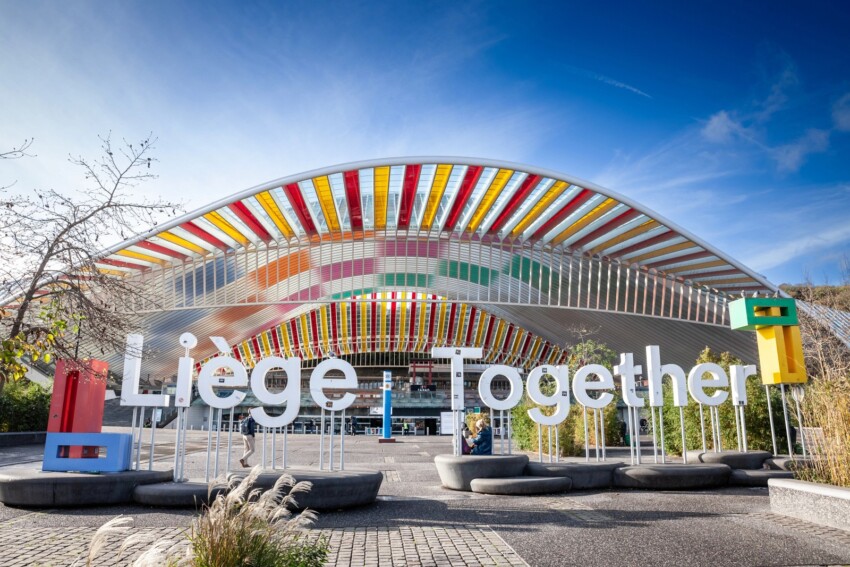
Opened in 2009, Liège-Guillemins railway station is an extraordinary contemporary architectural work designed by Santiago Calatrava, the acclaimed architect behind some of the world’s most famous structures. With its futuristic, all-steel appearance, it resembles a science-fiction film set, and depending on your viewpoint, its form recalls an open eye, a whale’s belly, or a mantra.
Housed within a magnificently restored 17th-century townhouse with a striking red façade, the Curtius Museum is a wonder that safeguards endless treasures.
Often called the Grand Curtius, the museum was founded by a wealthy entrepreneur and building owner who assembled four art and archaeological collections. The result is truly impressive: allow a couple of hours for your visit, even longer if you rent an audioguide (recommended).
Beneath a city square where St Lambert’s Cathedral once stood until 1793 lies Archéoforum, an archaeological site spanning over 3,000 square metres. From prehistory to recent times, every chapter of Liège’s history is illustrated through ancient artefacts and other historical documents.
The main attractions are the cathedral’s foundations, remains of a Gallo-Roman city and some prehistoric finds.
Built in the 15th century and renovated in the 19th, Liège Cathedral, or Saint Paul’s Cathedral, is the city’s Gothic masterpiece.
Beyond its magnificent architecture, the cathedral is renowned for an extraordinary artwork housed within: The Genius of Evil (Le génie du mal), a 19th-century white marble statue depicting a naked, seductive and chained Lucifer, created by Belgian artist Guillaume Geefs.
Near the cathedral’s cloister is the entrance to the Treasury (or Treasure House), where you can admire civil and religious artworks. Many come from the nearby Saint Lambert’s Cathedral, destroyed in the 18th century.
The museum’s centrepiece is a reliquary of St Lambert shaped like a life-size bust of the saint, encrusted with gold, silver and precious stones: according to legend, it contains the saint’s skull.
Equally impressive is the reliquary featuring figurines of Charles V and St George, which required 5 kg of gold in its creation.
If you love markets, don’t miss La Batte, Liège’s vibrant Sunday market: it’s considered Belgium’s oldest and one of Europe’s largest.
With around 500 stalls lining the northern bank of the Meuse selling clothing and food, it’s an excellent opportunity for shopping and sampling local street food!
It’s worth venturing from Liège’s centre to visit the La Boverie gallery, housed in a building in the city’s southern section built for the 1905 Universal Exposition and opened in 2016.
The museum project is of the highest calibre thanks to collaboration with the Louvre; the eclectic collection features masterworks by local and international artists including Lombard, Meurnier, Magritte, Monet, Gauguin, Chagall and Picasso.
Two additional reasons to visit this museum are the charming free-entry rose garden and the possibility of arriving by boat along the river.
If you still have time after visiting Liège’s must-see attractions, consider these additional sites:
In the following map you can see the location of the main places of interest mentioned in this article.
Liège is an excellent base for relaxing breaks in nature and active holidays: the surrounding area is rich in parks, walking trails and cycle routes.
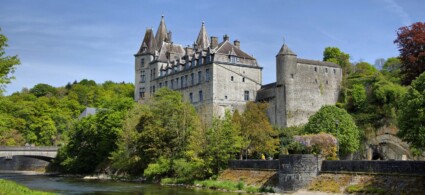
When you venture out of the city, you won’t want to miss the most famous attraction near Liège: Modave Castle; we also recommend two family-friendly attractions: Blegny Mine and Préhistomuseum.
The beautiful Modave Castle sits 37 kilometres southwest of Liège and overlooks Walloon countryside from atop a 60-metre rocky outcrop.
The castle was built in the Middle Ages and, following its partial destruction in the 17th century, was restored in classical style, giving it the appearance of an elegant country house. The symmetry and triangular pediment are reminiscent of French architect François Mansart’s buildings.
The castle’s rooms feature ceilings decorated with ornate stuccowork and walls adorned with carved panels, tapestries and paintings.
Liège’s accommodation offers excellent value for money: there’s a good selection of modern or recently renovated, clean and comfortable hotels and bed & breakfasts.
Budget travellers can stay in one of the city-centre hostels or venture a few kilometres out to find a good-quality budget hotel. There’s no shortage of mid-range and upmarket options for those seeking more comfort and character.
Liège has a small international airport, but connections from the UK are infrequent and good flight deals aren’t always easy to find.
The simplest way to reach Liège from the UK is to fly to Brussels Charleroi, an airport served by numerous budget airlines located approximately 80 km away, then continue by car hire: allow around an hour from the airport to reach the city.
If you’re already in Belgium, a faster and equally fascinating way to reach Liège is by taking the Thalys high-speed train: upon arrival at Liège-Guillemins station you can already admire one of the city’s architectural wonders. The same train also connects to Paris!
You can easily reach Liège from all of Belgium’s major destinations, whether by car or public transport.
What's the weather at Liège? Below are the temperatures and the weather forecast at Liège for the next few days.
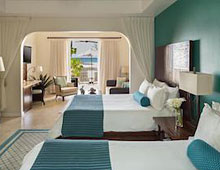 Hotel
Hotel 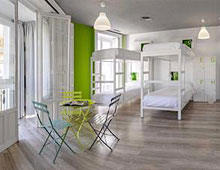 Budget accommodations
 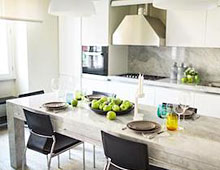 Apartments
  Family Hotel
 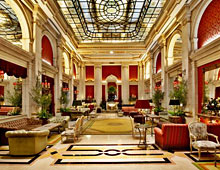 Luxury Hotel