ibis Styles Namur
Namur - Avenue D Ecolys 2
Book now
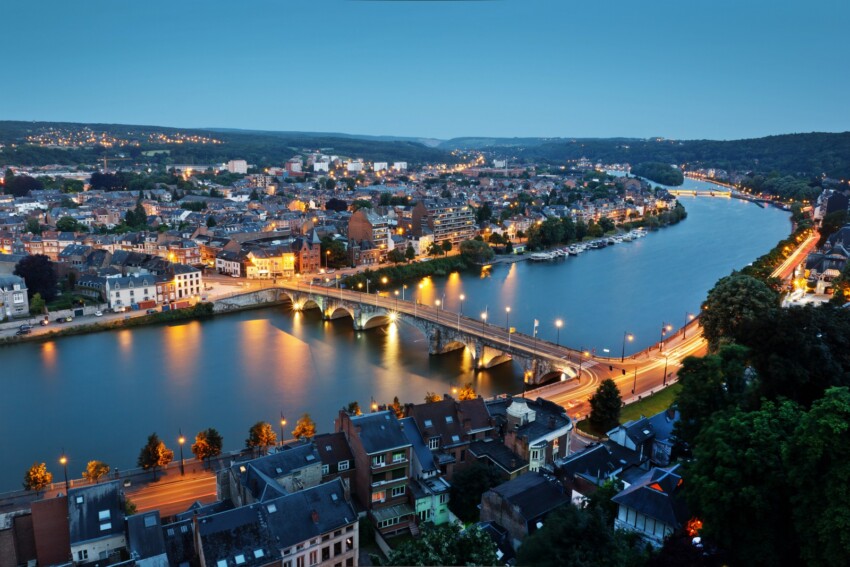
Strategically – and one could say romantically – positioned at the confluence of the Meuse and Sambre rivers, the city of Namur is brimming with history and charm.
Dominated by a magnificent fortress, testament to over two thousand years of military and historical events, the picturesque city centre preserves architectural treasures from the past and interesting museums for all tastes, from medieval craftsmanship to 19th-century erotic art, via the evolution of computing.
You’ll never tire of wandering through Namur’s characteristic cobbled streets, but should you need a break, you can rest in one of the many outdoor café terraces or browse the antique bookshops.
Charming Namur is perfect for a day trip from Brussels, as a stop on a driving itinerary of Belgium or as the destination for an original city break.
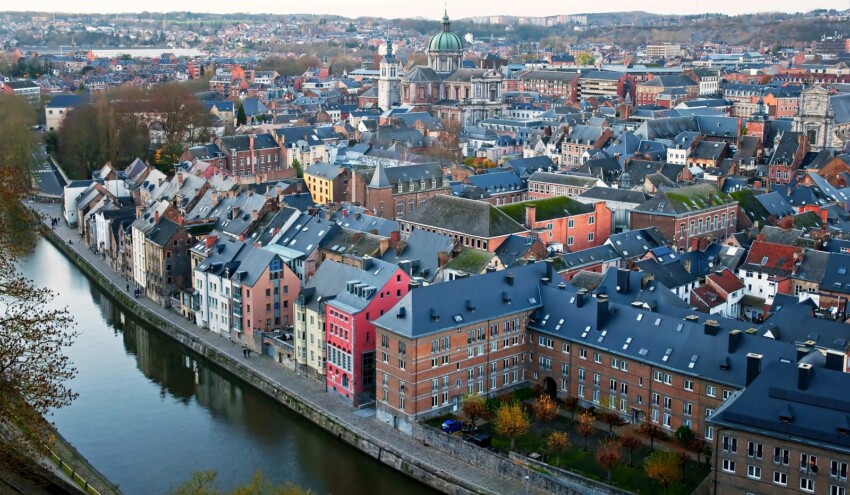
From the magnificent fortress overlooking the city to characteristic historic quarters, here are the must-see attractions in Namur.
Namur’s top attraction is undoubtedly the magnificent Citadel, a fortress with 2,000 years of history built in a scenic position on a hilltop that dominates the city.
Originally built as a defensive fortress, it served as the residence of the Counts of Namur during the Middle Ages and later as the summer residence of King Leopold II. Today it’s an evocative venue for events, an exceptional vantage point for admiring the city from above, and an ideal destination for leisurely walks.
A tourist train travels through the Citadel grounds, giving you the chance to admire the finest panoramic views and hear anecdotes and fascinating facts about the history of the place.
Want to see the Citadel above… and below too? Then join the captivating underground tours of the Citadel: they’ll take you to explore 500 metres of the impressive network of tunnels and passages that extend beneath the hill on which the Citadel stands. The tour is made more engaging by 3D animations, sound effects, lighting and projections.
Terra Nova is the modern visitor centre designed to introduce visitors to the thousand-year history of Namur’s Citadel through a multimedia exhibition. If you’re interested in local history, visit this ultra-modern museum before exploring the magnificent walks atop the Citadel.
Namur’s historic quarters are a sort of city within a city, and a paradise for urban walking enthusiasts: they’ll enchant you with their distinctive atmosphere, rich in charm and character.
Closed to traffic, they’re the ideal place to wander and dream, strolling along narrow cobbled streets and admiring architectural masterpieces such as the Church of Saint Aubain or the Tower of Saint James (or Beffroi de Namur), a UNESCO World Heritage site.
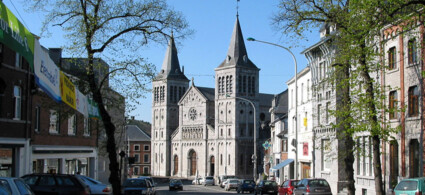
Namur’s finest religious building is the Church of St-Loup, described by Baudelaire as “a sinister and courageous marvel”. It’s hard to disagree when you see the dark marble columns, black stone arches, richly decorated confessionals and intricate ceiling.
Don’t leave Namur without taking a boat trip on the river: it’s a romantic and relaxing way to admire the city from a different perspective. You can choose between the characteristic Namourettes or larger, more comfortable vessels.
This small city boasts an incredible concentration of museums dedicated to the most diverse themes. Here are the most interesting or unusual ones to visit.
Namur can boast Belgium’s first IT museum: the Computer Museum Nam-Ip, which thanks to donations from four private collections traces the rapid evolution of computing technology from room-sized computers to today’s pocket-sized smartphones.
One of Namur’s most famous attractions is the intriguing Félicien Rops Museum, dedicated to a local artist who lived between 1833 and 1898 and showed a marked interest in eroticism and the macabre.
The museum traces Rops’ career from his youthful satirical and caricatural works to his mature period, in which satanic elements and gruesome details are not lacking. The collection aims to offer a comprehensive overview of Rops’ work, without moral or aesthetic censorship.
The museum is open to all, with no age restrictions. However, it’s worth being aware of what you’re visiting: the subjects depicted may offend the sensibilities of some visitors, particularly in the case of minors.
The strawberry is an important piece of local history: by visiting the five rooms of the Strawberry Museum located 7 km from Namur’s centre, you can learn more about the production, sale and gastronomy of this delicious red berry, which has also greatly inspired local art and folklore.
You can satisfy your cravings by shopping at the museum’s souvenir shop for jams, liqueurs and beers, all naturally strawberry-flavoured.
Another source of pride for Namur is the African Museum, unique of its kind throughout Wallonia. Housed in a 19th-century military barracks, the museum tells the story of Belgium’s presence in Africa, particularly in Congo. The attached library holds more than 20,000 books and periodicals on history, geography, zoology, ethnography and economics.
If you’re not yet tired of museums, you can also add these to your itinerary:
In the following map you can see the location of the main places of interest mentioned in this article.
Namur is an ideal base for exploring the Wallonia region and other parts of Belgium because hotel prices are slightly lower than in other tourist destinations. It’s therefore possible to find quality accommodation without breaking the bank.
Options range from spartan family-run hotels to comfortable mid-to-upper range hotels. For a romantic getaway, you can book a boat hotel on the river or a bed and breakfast in the countryside just outside the city.
Namur is the capital of Wallonia, the French-speaking region that occupies the southern part of Belgium. Getting to Namur is very straightforward as the city is only 60 km from Brussels, a capital served by numerous budget flights.
If you land at Brussels Airport you can reach Namur in approximately an hour and a quarter by taking a direct train from the airport station. If you land at Brussels Charleroi you’ll first need to reach Charleroi South station by bus, but the total journey time will be roughly the same.
If you’re already in Belgium, you can easily reach Namur by public transport or by car: the city is well connected to all the country’s main destinations.
French speakers call them French fries and consider them a national dish. For many, they’re simply fried potatoes – yet we can’t resist them.
It appears that Namur is the very city where the Belgian tradition of French fries was born. Long ago, the city was fond of small fish that they would fry (called “fry”), but one winter was particularly harsh, the rivers froze over and fishing became impossible. The people of Namur decided to use potatoes instead of fish, cutting them into a shape that resembled the original food and cooking them the same way – fried.
What's the weather at Namur? Below are the temperatures and the weather forecast at Namur for the next few days.
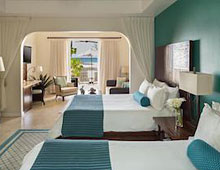 Hotel
Hotel 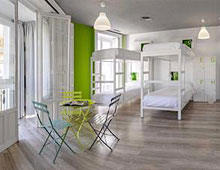 Budget accommodations
 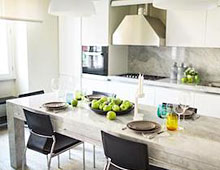 Apartments
  Family Hotel
  Luxury Hotel