Hotel La Malle Poste
Rochefort - Rue De Behogne, 46
Book now
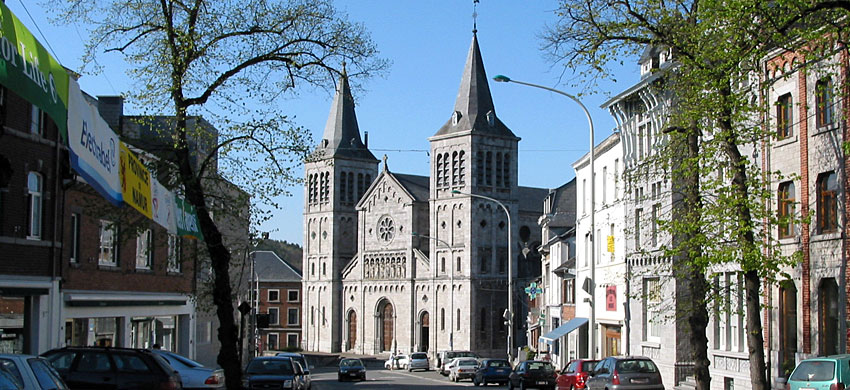
Don’t confuse Rochefort in Belgium with Rochefort (or Roquefort) in France: both are gourmet destinations with French-speaking populations, but the former is the city of Trappist beer, whilst the latter is renowned for its blue cheese made from sheep’s milk.
Rochefort, the Trappist beer city, is an excellent base not only for sampling the fizzy brew in charming traditional pubs (and perhaps stocking up on bottles to take home), but also for exploring the Lesse River region, which boasts abundant natural attractions including caves, parks and marshlands. It’s an ideal destination for those seeking relaxation or enjoying outdoor activities.
This small and often underrated town is picturesque, steeped in history, and wonderfully entertaining with a self-deprecating charm. For over 30 years, Rochefort has hosted the Festival International du Rire, a week-long celebration of humour in all its forms.
Drawing on this tradition, Rochefort will know exactly how to make you smile.
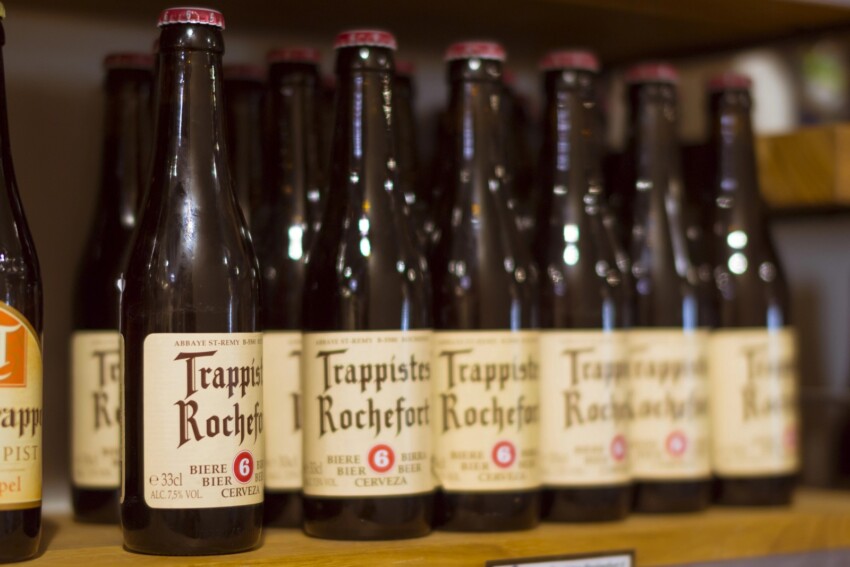
Rochefort beer is a Trappist ale, available in three varieties: Rochefort 10, Rochefort 8 (the most widely consumed) and Rochefort 6 (which accounts for just 1% of production).
Like all Trappist beers, it adheres to three fundamental criteria: it’s produced within a monastery of the Trappist Cistercian order (Notre-Dame de Saint Rémy Abbey, 3 km from Rochefort town centre), the monks are involved in the beer’s production, and the proceeds from sales fund the monastery and charitable works.
The monastery’s history officially began in 1230, when a convent of nuns was founded in this area; by the late 15th century, Cistercian monks had replaced the nuns within the monastery. Today, approximately 15-20 monks reside within Rochefort Abbey.
Beer production within the monastery began in the late 19th century and continued uninterrupted throughout both world wars. Between the 1950s and 1960s, the current brewery was established and commercial production of the beer began.
Bad news for beer enthusiasts: unfortunately, it’s not possible to visit the Rochefort brewery because the monks of this monastery are exceptionally strict about maintaining their silence and prayer observance, which is why they don’t open the monastery to visitors.
The brewery is viewed as a means of sustaining the monastery rather than as a commercial enterprise, which explains the absence of a monastery shop where you can purchase the beer produced by the monks.
This closure disappoints beer tourism fans, but others see this complete respect for tradition as deeply appealing.
Whatever your view, to taste Rochefort beer, you’ll need to settle for the pubs and restaurants in town or the surrounding area. Though “settle” seems the wrong word: drinking a Trappist ale in a traditional pub in the very town where it’s produced is undoubtedly an emotional experience for any enthusiast.
Whilst the abbey isn’t open for guided tours, you can join the monastic community for prayers at designated times.
However, it is possible to stay overnight within the monastery: there are rooms available for external guests (both lay and religious), though they must respect the strict rules of silence and conduct imposed on the monks. Staying in Rochefort monastery is a truly fascinating experience, but it’s not suitable for everyone, as this isn’t a holiday but rather a spiritual retreat.
With the brewery itself off-limits, what is there to do in Rochefort and the surrounding area? Don’t worry: there’s plenty to keep you occupied for a full day or more if you prefer a leisurely pace.
The historic centre is compact and easily explored on foot. Along the main street, which goes by several names (Rue de Behogne, Place Roi Albert 1er and Rue Jacquet), you’ll find an attractive church, pick up maps and leaflets from the tourist information office and view the private Château Comtal from the outside. There’s nothing stopping you from daydreaming that it’s yours.
Next comes a spectacular attraction you wouldn’t expect to find in town: the Lorette Caves, a network of underground tunnels and galleries accessible on a guided tour lasting an hour and a half.
During your visit, you’ll witness the launch of a hot air balloon that rises 85 metres through the cave with musical accompaniment and a light show. A real spectacle that makes you acutely aware of the depths you’re exploring.
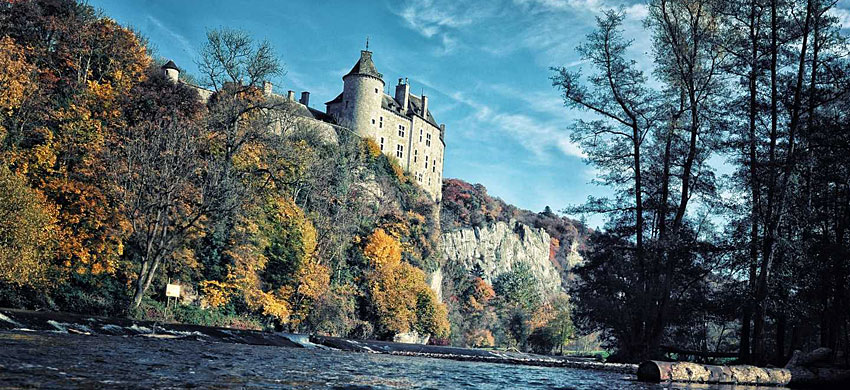
After stocking up on Rochefort beer in the town-centre shops and perhaps enjoying a bottle or two in one of the pleasant pubs on the main streets, venture out of town to visit the magnificent attractions in the surrounding area.
The most famous is the Lesse and Lomme National Park, named after the two rivers in the region, perfect for wonderful walks and other outdoor activities.
If the Lorette Caves captivated you, continue your exploration of the underground world with a visit to the Han-sur-Lesse Caves, which are even larger and more spectacular. The tour route is 3 km long and winds through magnificent chambers filled with rock formations of extraordinary colours and shapes, including a giant stalagmite standing 7 metres high and 20 metres in circumference.
The caves are situated within a wildlife park home to wolves, lynx, bears, deer and other endangered species such as the European bison and the Przewalski’s horse.
To add some romance to your stay, visit the fairy-tale castles scattered throughout the Rochefort area.
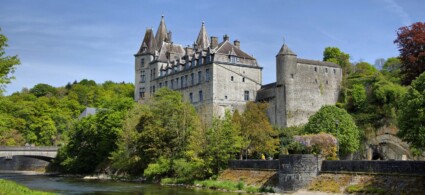
One of the most beautiful is Lavaux-Sainte-Anne Castle, a 15th-century fortress set in a splendid natural landscape: it’s surrounded by elegant gardens, a park where deer roam freely and a wetland area with a pond and marshland.
The castle’s elegantly furnished rooms house three museums: the Museum of Nature and Hunting, a permanent exhibition on the life of the Lords of Lavaux in the 17th century, and an exhibition on rural life in the Famenne region during the 18th century.
Nearby you’ll also find the older Jannée Castle, which dates back to the 11th century and is now a luxury hotel and wedding and events venue.
Rochefort is a small town, so there aren’t many hotels in the centre, but finding accommodation is straightforward. The surrounding area has numerous charming bed and breakfasts housed in traditional properties and rural cottages, ranging from budget-friendly to more luxurious options.
If you’re travelling during July and August, we recommend booking well in advance as the area is extremely popular as a holiday destination for Belgian tourists.
One final tip: when searching for your accommodation, remember to select Rochefort in Belgium rather than the one in France. It may sound like overly cautious advice, but it’s easy to make a mistake. It would be truly frustrating to arrive in town only to discover you’ve booked a hotel in another country!
Rochefort is located in south-eastern Belgium, in the Province of Namur. It’s approximately 120 km from Brussels and can be reached by car in just over an hour via the E411.
Getting there by public transport is also straightforward, with frequent direct intercity trains connecting the two cities. The journey time is slightly longer at around one hour 40 minutes.
 Hotel
Hotel  Budget accommodations
  Apartments
  Family Hotel
  Luxury Hotel